


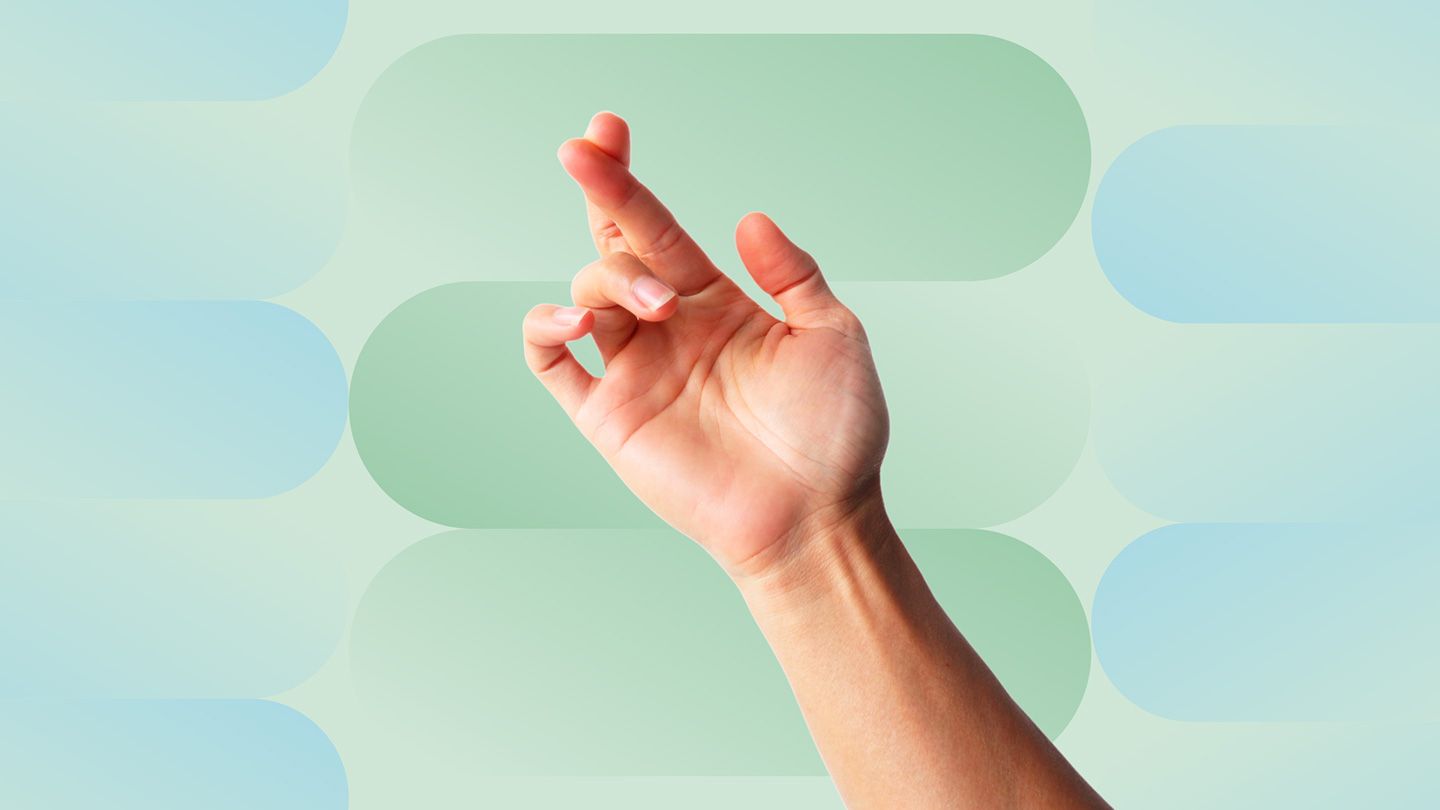
If you’re looking to boost your brain health you may strive to get more exercise, eat healthier, socialize, and do puzzles and other mentally stimulating activities. But have you tried “pinky time”?
A slew of TikTok creators say pinky time — a series of finger movements done in a certain sequence — can slow cognitive decline. One video by @visage.dore4 suggests pinky time can “protect against Alzheimer’s and improve brain plasticity.” Another video by @glucose.speaks says the movement offers “powerful brain stimulation.”
Does this brain hack really work? And how do you do it?
What Is Pinky Time?
Pinky time is a daily hand exercise. This TikTok video by @thebalanced.brunette shows how to do it:
- Press the tips of your ring finger and thumb together.
- Cross your middle finger over your pointer.
- Move your pinky up and down slowly, while your other fingers stay in position.
- Focus on steady movements, rather than speed.
- Perform the exercise on both hands for about 5 to 10 seconds every day.
What Experts Say About Pinky Time
TikTok creators claim pinky time can activate the brain’s motor cortex, increase blood flow to the brain, engage neural pathways, and help maintain fine motor skills.
But while the exercises can be fun and are mostly safe, “There’s no strong scientific evidence that pinky exercises alone prevent cognitive decline,” says Enrique Diaz, MD, a psychiatrist at the Miami Neuroscience Institute, part of Baptist Health South Florida. “As a psychiatrist, I tell patients that there is no single brain hack.”
Here’s what experts say about the alleged benefits of pinky time.
Brain Stimulation
Learning new tasks provides cognitive stimulation, so in that sense, pinky time could help brain health “a little bit,” says Helen Valsamis, MD, chief of neurology service at NYC Health + Hospitals/Kings County in Brooklyn.
Doctors recommend a combo of mental and physical activity, Valsamis says. “Pinky time is a mental and coordination task. However, it does not have the exercise benefits of walking, for example.”
Cognitive Decline Prevention
Pinky time involves hand coordination and could be cognitively challenging, Valsamis says. However, she adds, it likely wouldn’t be different from learning to play the piano, for example, which also involves hand coordination and cognitive challenges.
“Keeping the brain active through challenging tasks may support cognitive health, but there is no evidence that the pinky itself has a unique protective effect,” Dr. Diaz says.
Improvement of Fine Motor Skills
“Fine motor activities engage multiple brain regions involved in movement, attention, and coordination,” Diaz says.
Who Should and Shouldn’t Try Pinky Time?
For most people, pinky time is safe, especially if you only do it for a few minutes a day, Valsamis says. It’s possible to get overuse or repetitive stress injuries if you do the exercise excessively, she adds.
However, if you have arthritis, hand injuries, nerve disorders, or tremors, the repetitive pinky movements could worsen symptoms, Diaz says.
If you struggle to do pinky exercises, Diaz says, it’s likely due to physical limitations like these, rather than cognitive problems.
But, he notes, you should see a healthcare professional if a decline in hand dexterity is accompanied by memory, language, or movement changes.
There Are Other, More Evidence-Backed Methods For Promoting Brain Health
Pinky time alone is unproven to boost cognitive health. However, Valsamis says evidence suggests several other brain-health-boosting strategies could, including:
- Addressing medical issues, like high blood pressure and diabetes
- Stopping smoking
- Engaging in cognitively stimulating activities that you enjoy, like gardening, puzzles, playing an instrument, or learning something new
- Getting plenty of sleep
- Socializing with family and friends, as well as casual interactions with people at the grocery store or dry cleaners
- Eating a diet rich in leafy greens, fatty fish, walnuts, and berries, including the Mediterranean or DASH diets, which lower inflammation and improve vascular health
- Exercising, including walking, running, swimming, or cycling
Read the full article here