


What Mattered Most and Least for Longevity
Cardio fitness tends to be the biggest predictor of mortality, as the study results suggest, Powers says. “People often die from cardiovascular disease,” he says. “Being flexible doesn’t typically impact that risk.”
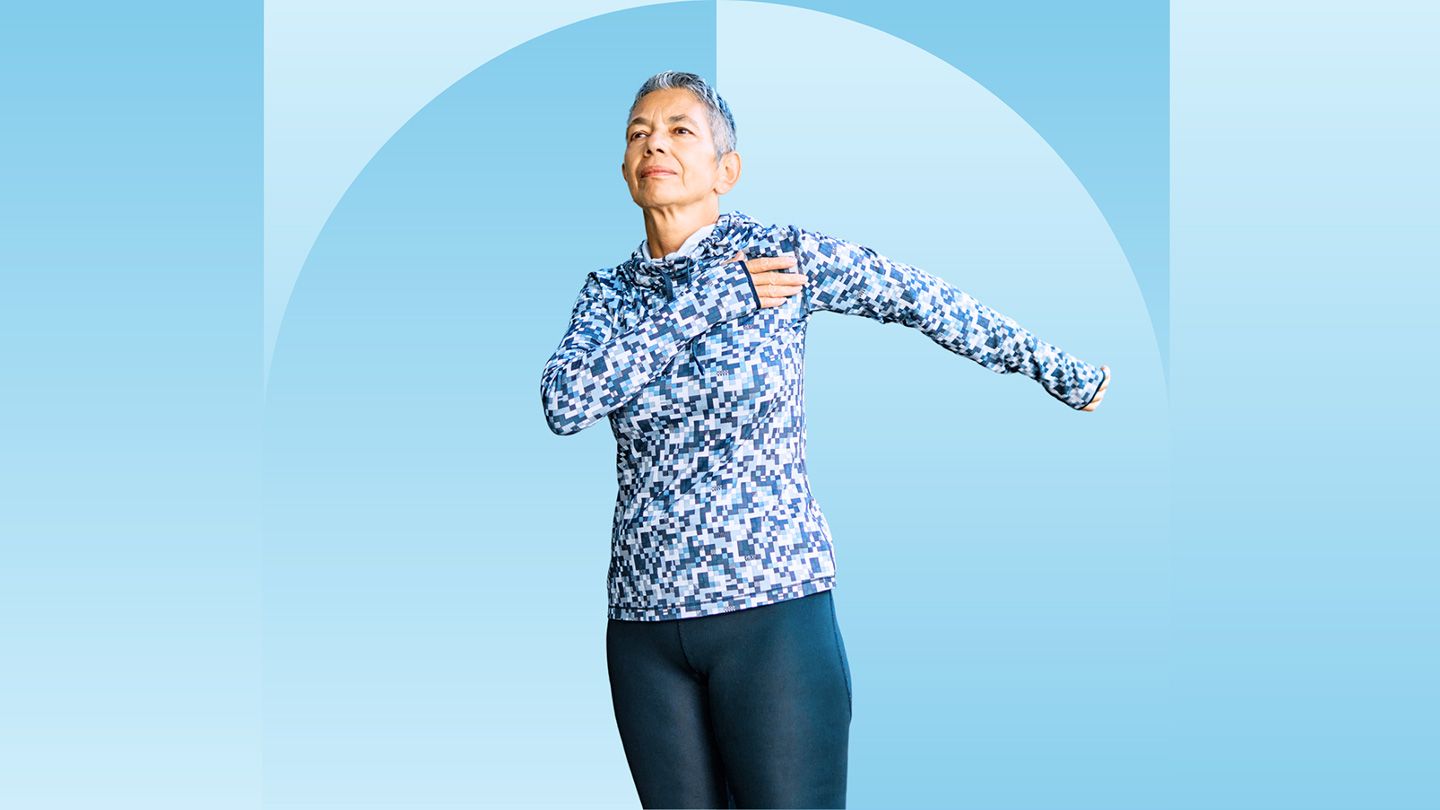
While flexibility is a major focus in certain forms of exercise, such as yoga and Pilates, the researchers didn’t find a link between higher flexibility and longer life.
“I’m not too worried about flexibility,” Powers says. “It often improves with other areas of fitness. By itself, it doesn’t relate to fitness the way some of these others do.”
Fitness May Better Predict Lifespan Than Disease Alone, According to Doctors
Doctors will often look at whether someone has these diseases when trying to determine their lifespan and risk of early death, Dr. Liang says. “These measures tell us which conditions a person has accumulated, but they tell us less about what that person can still physically do,” she says. “They may also be less informative for older adults who have not yet developed overt disease or disability.”
These fitness tests “look at things from a different standpoint,” Power says. “If someone has a bad heart, that’s a bad indicator of lifespan,” he continues. “On the other hand, if we know a person’s functional ability, too, we can adapt lifestyle choices to try to improve their health.”
The tests may also help doctors better assess patients’ overall health, regardless of disease, Powers says. “There is a severity of illness, and it can be difficult at times to assess risk and future longevity,” he says. “These types of tests give us specific information.”
The Study Has Strengths and Limitations
The study analyzed very detailed information from a relatively large group of people, Powers points out. But there are a few limitations.
Because the study was observational, it can’t prove that people with lower scores on fitness tests had shorter lifespans; it simply found a link. The participants’ physical fitness was measured at a single point in time, making it hard to know whether it changed over time.
The researchers also didn’t examine how the participants died, making it difficult to know if their fitness may have been a potential factor. Smoking status also wasn’t recorded.
How to Improve Your Fitness With These Measures
Powers doesn’t suggest trying to improve your fitness solely to excel at these tests. But he does recommend focusing on cardiorespiratory fitness for overall health and longevity.
If you haven’t been physically active, it’s usually helpful to start with small amounts of exercise and work your way up, according to Albert Matheny, RD, CSCS, cofounder of SoHo Strength Lab in New York City. “Walking is always a good baseline exercise,” he says. “You can also bike if you need something lower-impact.” From there, he suggests increasing the speed, intensity, and distance of your exercise to increase fitness over time.
Liang stresses that doing what you can to meet physical activity guidelines should help to improve your test performance and, potentially, lifespan. “What our findings do suggest is that physical fitness is a potentially modifiable marker of physiological reserve, rather than simply a fixed consequence of aging,” she says. “Starting with small amounts and building up gradually is reasonable, particularly for people who have been inactive.”
Read the full article here