



WHEN PROFESSIONAL ATHLETES are still competing at 41 years old, it’s no accident. They’re crushing workouts in the gym, but they have learned a thing or two about longevity. Their training evolves and looks different than it did in their 20s, and that’s the point: Whether you’re a pro or just trying to keep up with your kids, you can benefit from changing your routine as the decades go by.
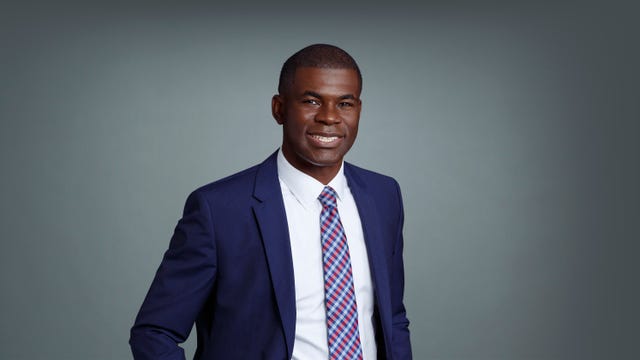
Kirk A. Campbell, MD
“In orthopedics, we’re all about keeping people moving and active,” says Kirk A. Campbell, MD, an orthopedic surgeon at NYU Langone Health. Ideally, you wouldn’t end up needing an orthopedic surgeon, and to do that your best bet is to start laying the groundwork early. “The perfect time to start becoming healthy and active—whatever your definition of that is—is today,” he says.
Below is Dr. Campbell’s advice for warding off injury and optimizing performance for men in their early years, midlife, and beyond to help you stay on top of your game.
Teenage Years and Early 20s
“IN OUR TEEN years, we go through rapid growth spurts, and then the body has to catch up in terms of building strength and flexibility to match whatever growth spurt there may have been,” Dr. Campbell says. Young men are also not as familiar with moving their new and changing bodies through space, he says, which can take some getting used to.
Common Injuries
“In teens, we typically see injuries related to overuse,” Dr. Campbell says, adding that muscle imbalances can also occur as a result of growth spurts. “It’s a lot of overtraining, contact injuries, and stress-induced issues because you’re not getting enough rest, especially the baseball players who are playing for multiple teams during the season.” The most common injuries, he says, are ankle sprains, knee issues like patellofemoral pain syndrome (particularly with jumping-related sports), and stress injuries to the shoulder and elbow, especially with throwing activities.
Longevity Gameplan
Here’s how to lay the foundation of good habits to help avoid the aforementioned injuries:
- Nail your technique: “It’s really important to make sure kids have proper technique in any sporting activities, or even just working out in general,” Dr. Campbell says. “This will help set them up for the future, because the habits you build as a teenager can carry into adulthood and later years.”
- Cross-train: It’s becoming more and more common for young athletes to specialize in one sport, but that makes them more prone to injury, Dr. Campbell says, “because you’re putting so much stress on just that one part of your body year round.” If instead you play basketball in the fall and baseball in the spring, there are different muscle groups that are being worked. “Sports specialization is more of a modern day thing,” he says. “People think that if you focus on just one sport, you’re going to be better. But there are negative aspects to it.” Dr. Campbell also recommends that young athletes do full-body strength training year round to minimize muscle imbalances.
- Prioritize sleep: “One of the easiest things you can do is get enough sleep so your body has a chance to regenerate,” Dr. Campbell says. Most men need anywhere from seven to nine hours of sleep a night.
30s and 40s
RESEARCH SHOWS THAT strength and fitness levels start to decline as early as your mid-30s, but Dr. Campbell says the lifestyle changes that accompany this time may be just as impactful. These years can be “a tricky time point in a lot of people’s lives,” he says. “In your teens, your life revolves around being physically active and fit. Then, in your 20s and 30s, you get a real job, become more sedentary, and your workout routine may not be as consistent. As you become more sedentary, you become more prone to other injuries because you’re not as flexible as you used to be and may not be as strong either.”
Common Injuries
Wear-and-tear injuries show up more in this life phase. “People start having strains and sprains, lower back issues, and tendinopathies [Editor’s Note: when there is pain in the tendons and functionally declines],” Dr. Campbell says, adding that he sees a lot of shoulder issues in particular.
Longevity Gameplan
Double down on the habits from your teens and 20s to reduce your injury risk, while also prioritizing these areas:
- Stretching and flexibility: In addition to the effects of a more sedentary lifestyle, the joints naturally lose mobility as you age, Dr. Campbell says, making practices like stretching, yoga, and Pilates particularly helpful for longevity. “Increasing flexibility makes you a better athlete and less prone to injury,” Dr. Campbell says. “Your workouts shouldn’t just be about lifting heavy weights.”
- Early intervention: If you get injured, see your healthcare provider right away. Once you have a diagnosis, working with a physical therapist can accelerate your recovery. There are many different treatment options today, including orthobiologics like platelet-rich plasma (PRP) and stem cell products, to help improve healing.
- Well-rounded diet: “We’re learning more and more about the importance of nutrition, not just in terms of working out, but also for recovery from your workouts,” Dr. Campbell says. “We’re also realizing that nutrition is important” for helping people get back in the game faster. While you may have specific nutritional needs based on your personal health and injury history, a diet with ample protein, healthy fats, fiber, and micronutrients (vitamins and minerals) is a great place to start.
- Warm-up routine: “You can’t just show up to the basketball court,” says Dr. Campbell, adding that a warm-up that involves cardio activities that raise body temperature and dynamic stretching is key to warding off injury.
50s and Beyond
“AS WE GET older, our muscle mass starts to decrease more rapidly than in previous decades,” Dr. Campbell says, adding that tendon and ligament elasticity also declines during this life stage. “We’ve already had 40 or 50 good years of really beating our joints and, over time, things wear out.”
Common Injuries
In your 50s and 60s, tendinopathies become even more common, as well as arthritis, rotator cuff injuries, back pain and herniated discs, and meniscus injuries, Dr. Campbell says.
Longevity Gameplan
Everything mentioned for earlier ages should still be a part of your routine. But now, you should start honing your focus on the following:
- Expert support: “Make sure that if you’re working out, you’re doing it appropriately,” Dr. Campbell says. That might include hiring a personal trainer and/or checking in with your primary care physician if you’re getting serious about exercise for the first time or after an extended break of months or years.
- Make fitness social: “Especially in the male population, as people get older their friend groups often decrease,” Dr. Campbell says. “Getting out there, becoming active, and joining different groups is a way to expand your network,” in addition to all the physical benefits of exercise.
- Allow even more active recovery time: “As you get older, you’ll need to build in more dedicated rest and recovery,” Dr. Campbell says. “That’s not an excuse to do nothing, but you may want to do something a little bit differently.” That might mean swapping a gym day for an active recovery hike or bike ride, for example.
“The common thread here is that throughout life, you have to move,” Dr. Campbell says. “There’s a saying that ‘motion is lotion,’ and if you keep active, you’re more likely to stay injury free.”
Listen to how training and recovery can help injury prevention on The Future You podcast.

Caitlin is a health and fitness journalist based in New York City. She writes for publications including The Wall Street Journal and Runner’s World. She’s completed 12 marathons, including the six World Marathon Majors, is semi-fluent in French, and volunteers as a greeter on The High Line. Follow her on Instagram or LinkedIn.
Read the full article here