


Water and Weight
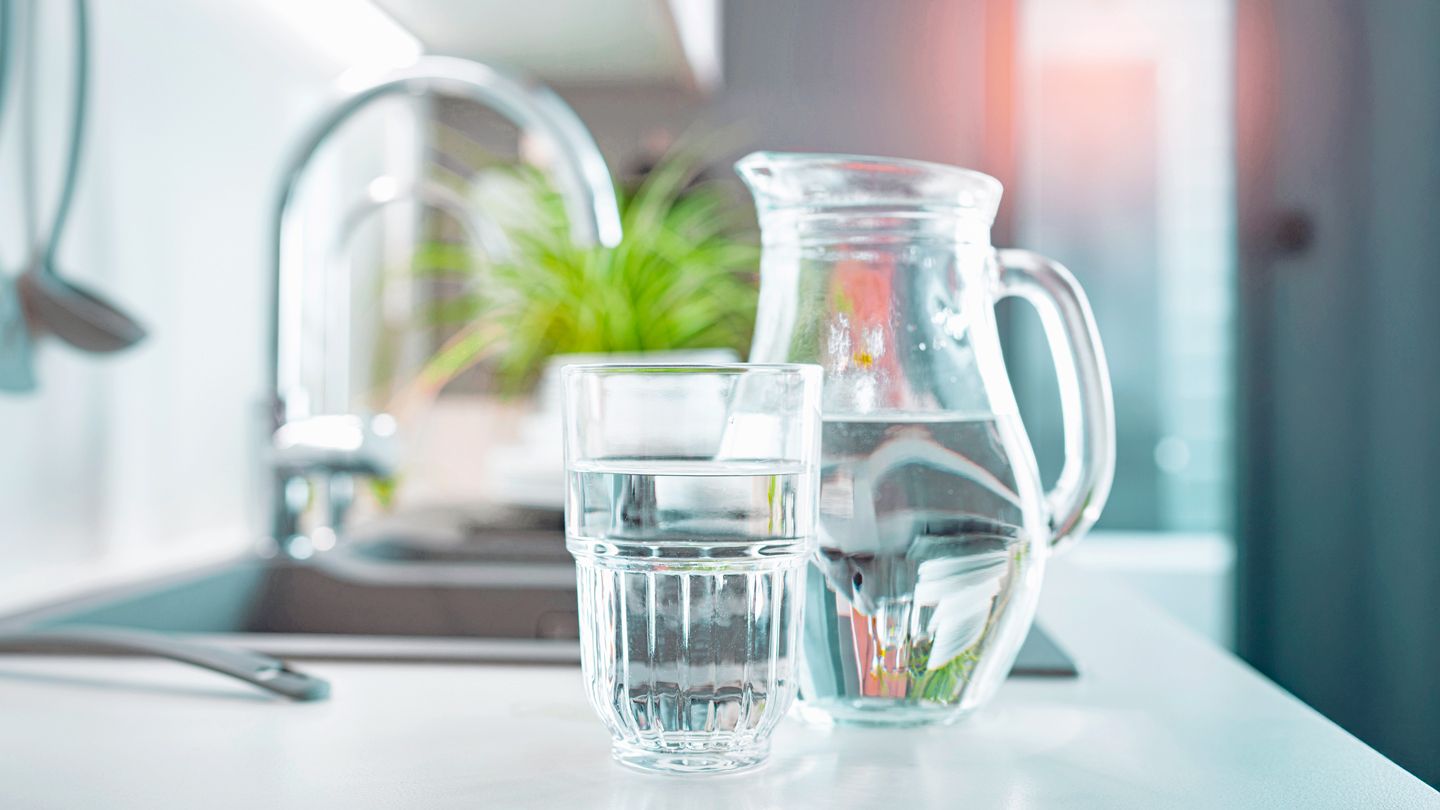
If you drink two 8 ounce (oz) cups of water, then weigh yourself, your weight will go up about 1 pound. But that weight gain is temporary, unlike an additional pound of body fat, and not a cause for concern. Water consumption is essential for overall health, as it enables your body to function properly. It’s natural for your weight to fluctuate by a few pounds during the day depending on how much water you consume, use, and eliminate, among other factors.
If you don’t drink enough water during the day, your body may retain water, temporarily pushing the number on the scale upward. A carbohydrate-heavy diet, high amounts of sodium, and a sedentary lifestyle also contribute to this phenomenon, known as “water weight.”
Meanwhile, better hydration may aid weight loss. For some, a glass of water before meals can help them eat less while still feeling full, reducing their overall calorie intake, which may support weight loss efforts, at least in the short term.
For those concerned about potential weight gain, it’s important to weigh yourself at the same time every day for consistency among measurements. For example, weigh yourself on the same weekday every week and first thing in the morning after you use the bathroom, and compare any changes week over week for a more reliable picture of your body weight.
Fiber and Weight
If you suddenly start eating a lot of high-fiber foods such as whole grains, fruits, and vegetables rather than increasing your consumption gradually, you may experience digestive symptoms like intestinal gas, diarrhea, cramping, and bloating. Not drinking enough water when eating a fiber-rich diet can also lead to digestive discomfort.
With that said, a high intake of dietary fiber is actually associated with weight loss, not weight gain. Fiber is very filling, leaving you feeling fuller after eating smaller amounts of food and thereby decreasing your total caloric intake, which is key for weight loss.
It doesn’t take much to get more fiber in your diet. For example, a cup of raspberries has almost 8 grams (g) of fiber, a cup of oatmeal has 4 g, and a cup of lentils has almost 16 g. Just be mindful to increase your fiber intake gradually and hydrate accordingly to avoid unwanted side effects.
Recommended Water and Fiber Intake
To avoid excessive water weight and reduce your risk of weight gain, prioritize the recommended amounts of both dietary fiber and water in your daily diet.
Men should consume 30 to 38 g of fiber per day, depending on their age, whereas women need 21 to 25 g daily. Swapping in whole grains is one of the easiest ways to increase the fiber content of your diet. Eat beans and legumes instead of meats, and reach for more fruits and vegetables, and you’ll naturally increase your fiber consumption throughout the day.
For proper hydration, drink enough fluids so that your urine is clear or light yellow. While your personal water needs depend on a number of factors ranging from the temperature of your environment to your activity level throughout the day, most people need about 12 to 16 cups of fluid daily. A high-fiber diet could further increase your water needs.
Read the full article here