


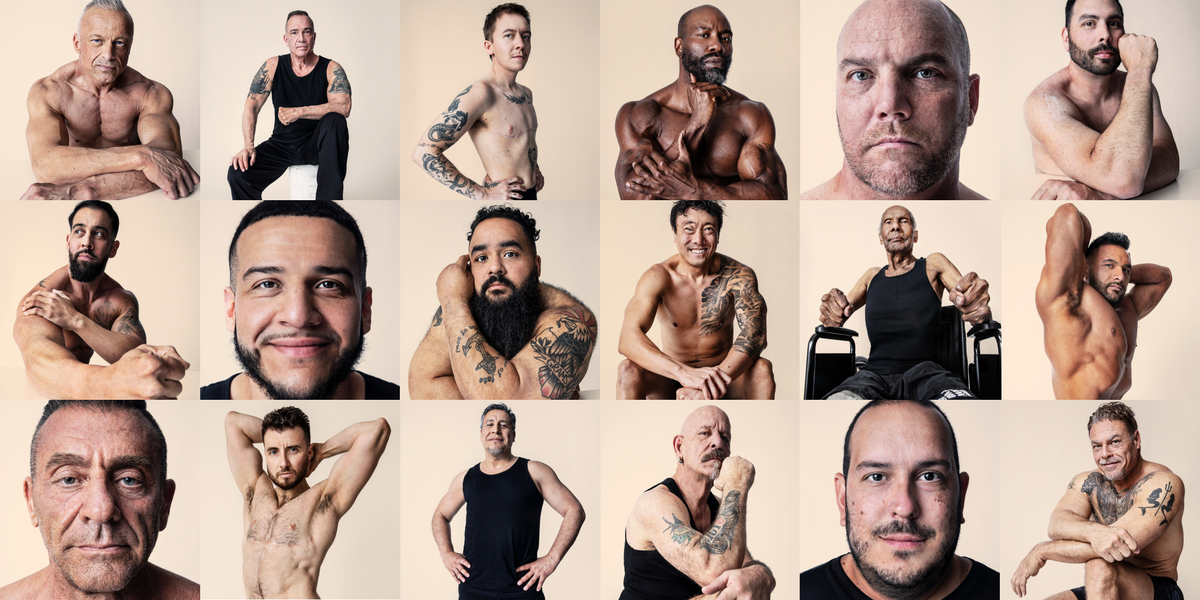
WHEN YOU THINK of a guy on testosterone in the T-optimizing era we’re living in, a man with six-pack abs, huge arms, and a superheroic chest probably comes to mind. What Men’s Health found, though, when we interviewed and photographed 22 people who are currently on testosterone, is that their bodies are as diverse and varied as the reasons they started taking the hormone in the first place.
There are the guys who want to get jacked, yes. But there are also the testicular cancer survivors who need to be on testosterone replacement therapy (TRT) to function. The trans folks who are taking the hormone to live authentically and freely. The thirty-, forty-, and fifty-something dudes who realized they can finally do something about their low energy, fatigue, and brain fog. For all of them, testosterone has been a tool to help them feel like themselves again—maybe even better than they have before. Read their stories, below.
Disclaimer: If you’re considering starting TRT (or any drug for that matter), make sure to consult a board-certified medical professional before doing so.
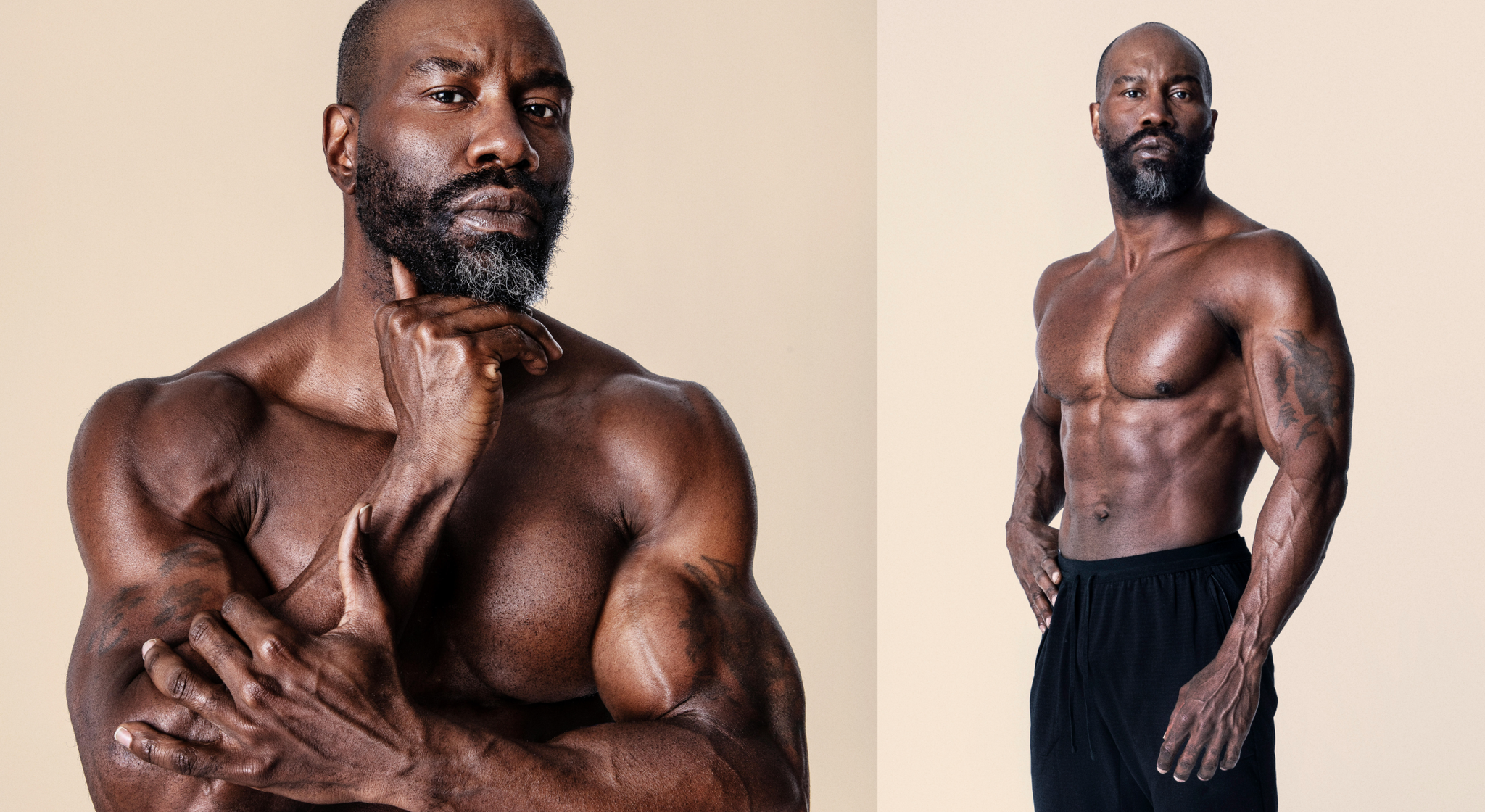
Charles Flanagan
46, Arizona
Symptoms: Lethargy; muscle atrophy
Before TRT: 80 ng/dL
After TRT: 800–1,000 ng/dL
Charles Flanagan started testosterone when he was 27 years old but took a 10-year break when he went into rehab for an addiction to alcohol and pills. “My thought was once you clear out all the poisons, you feel amazing,” Flanagan says. “But the reality was a lot of my systems had crashed.” Flanagan was reluctant to start any kind of drug following his rehab, but as a master trainer, former national-level sprinter, and model, he was determined to get his energy and strength back. After his doctor suggested they check his testosterone, which was below 100 ng/dL at the time, he started weekly testosterone injections and has since adjusted his dosing to twice weekly. “At 46, I’m in the best shape I’ve ever been,” he says. “A big part of what I stand on is showing men that you can look better in your 40s than you ever did before.”
His Stack: Testosterone | NAD+ | Glutathione | BPC-157 | TB-500
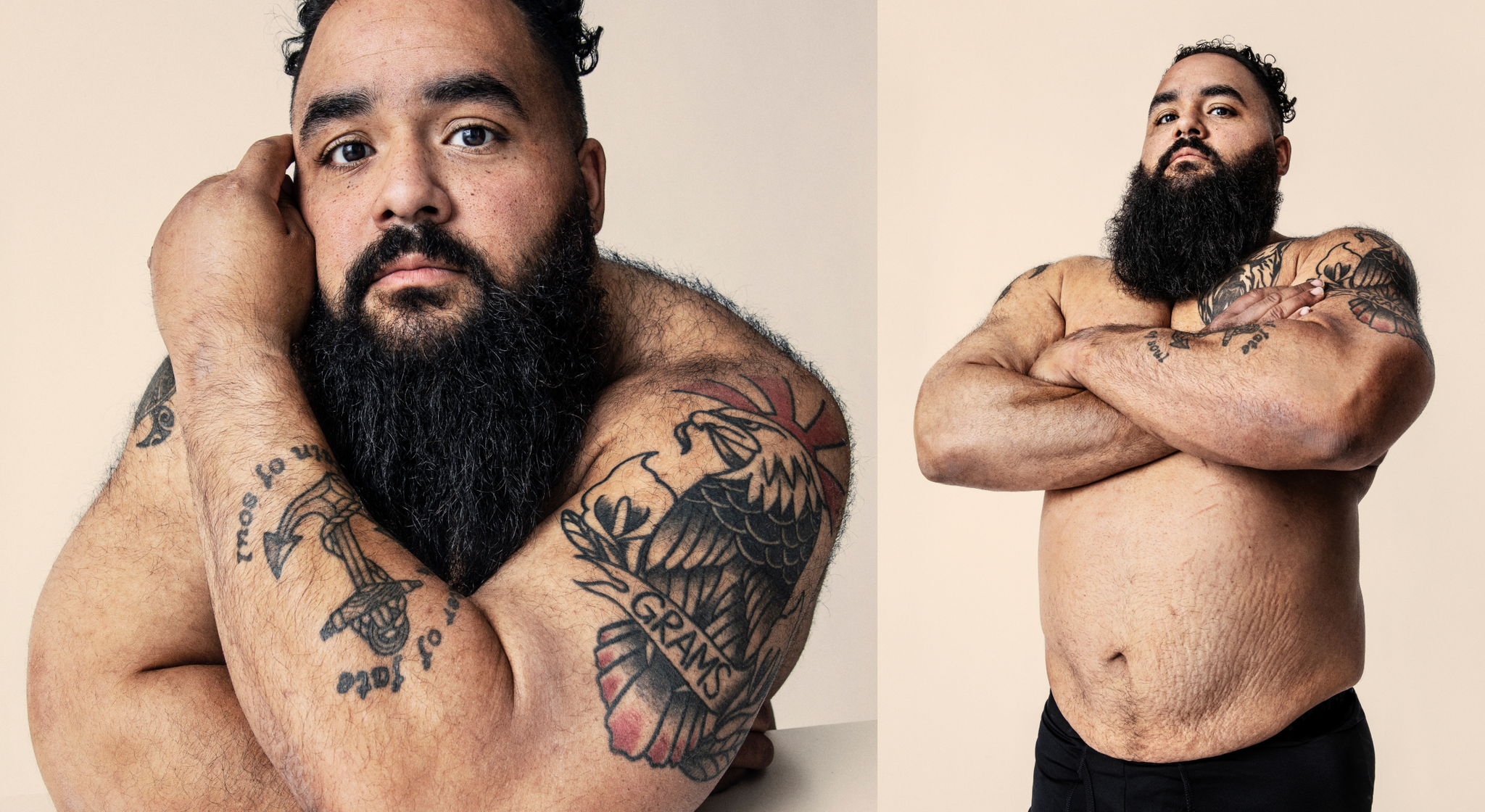
Scott Percy
34, Maryland
“Have you ever seen the photo of the woman looking in the mirror and there’s a muscular, ripped man looking back? That’s me. I’ve always wanted muscles.”
Scott Percy, known as the World’s Strongest Trans Man, is describing his vision for his body before he began medically transitioning at age 24. The only problem? His fear of needles. So he’d blast “Salvation” by Five Finger Death Punch and force himself to take his weekly testosterone injections by the first chorus. Now, his baseline testosterone level sits around 600 to 700 ng/dL, but as a competitive powerlifter, he’ll increase his dose to prepare for meets. “Testosterone allows me to be stronger and feel stronger when I’m in the gym,” Percy says. He’s aiming to increase his bench press to 405 pounds by December. “If you’re trans and you’re thinking about transitioning, just take the shot.”
His Stack: Testosterone | Creatine | Ashwagandha | COQ10 | Fish Oil | Nandrolone Phenylpropionate (NPP) | Magnesium Glycinate
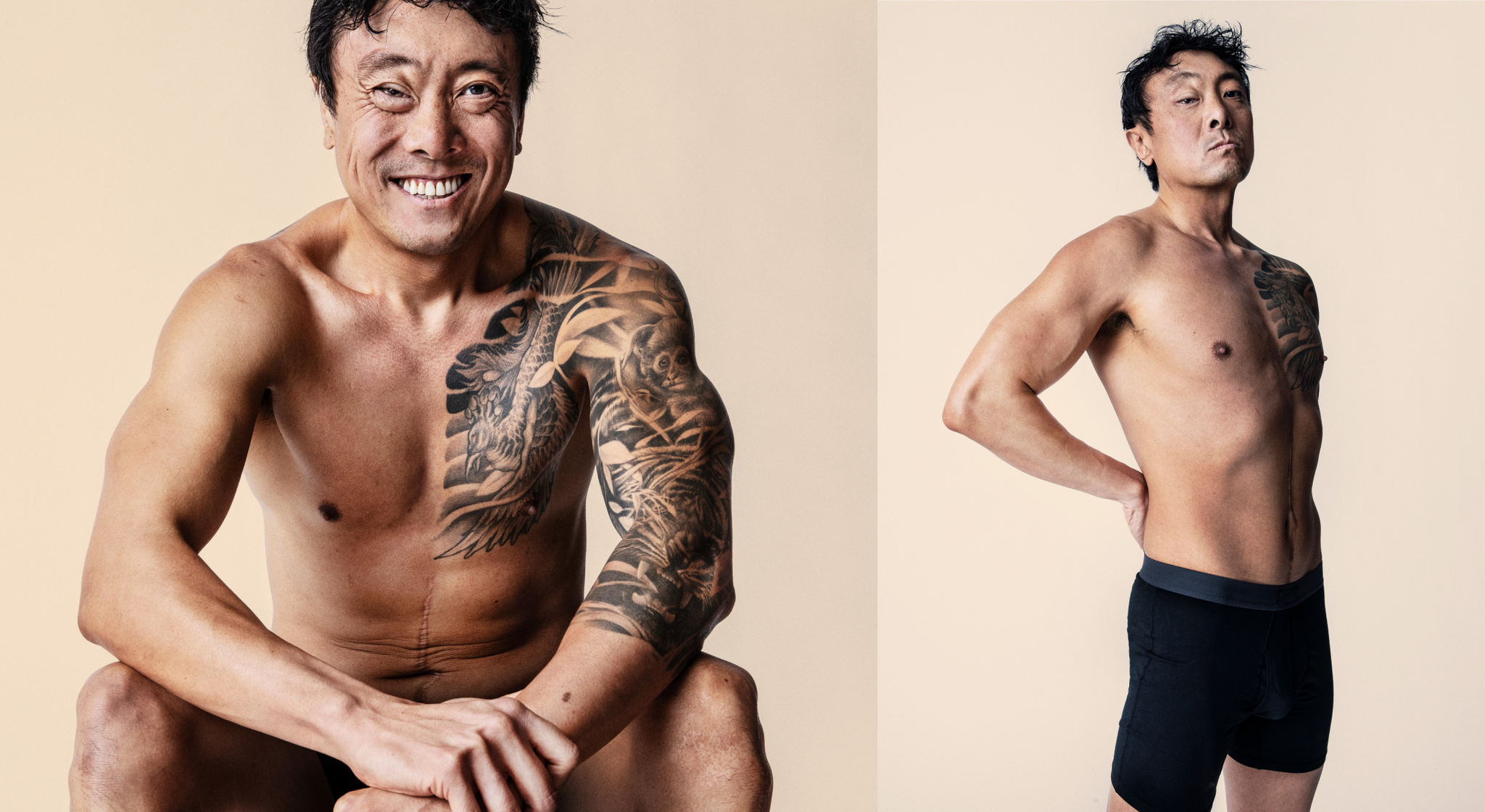
Alex Soo
39, Texas
To treat his testicular cancer, Alex Soo endured a long and painful chemotherapy process, along with surgeries to remove 80 lymph nodes and one testicle. Treatment left him exhausted, run down, and with 40 extra pounds that wouldn’t budge. When both testicles are removed, patients are automatic TRT candidates. But when one testicle remains, you’re often on your own. After he went into remission in September 2020, Soo sought out a doctor at a men’s health clinic who would test his levels (his primary care doc and oncologist wouldn’t do it) and discovered his testosterone was consistently below 200. He began weekly injections, bringing his level up between 800 and 1200 ng/dL. Then the weight came off. “Everything was jump-started when I got on TRT,” Soo says. “I was suddenly able to recover from exercise, sleep better, and be more active. I feel 10 or 15 years younger.”
His Stack: Testosterone | Multivitamin | Vitamin D | Ashwagandha | Shilajit | Creatine
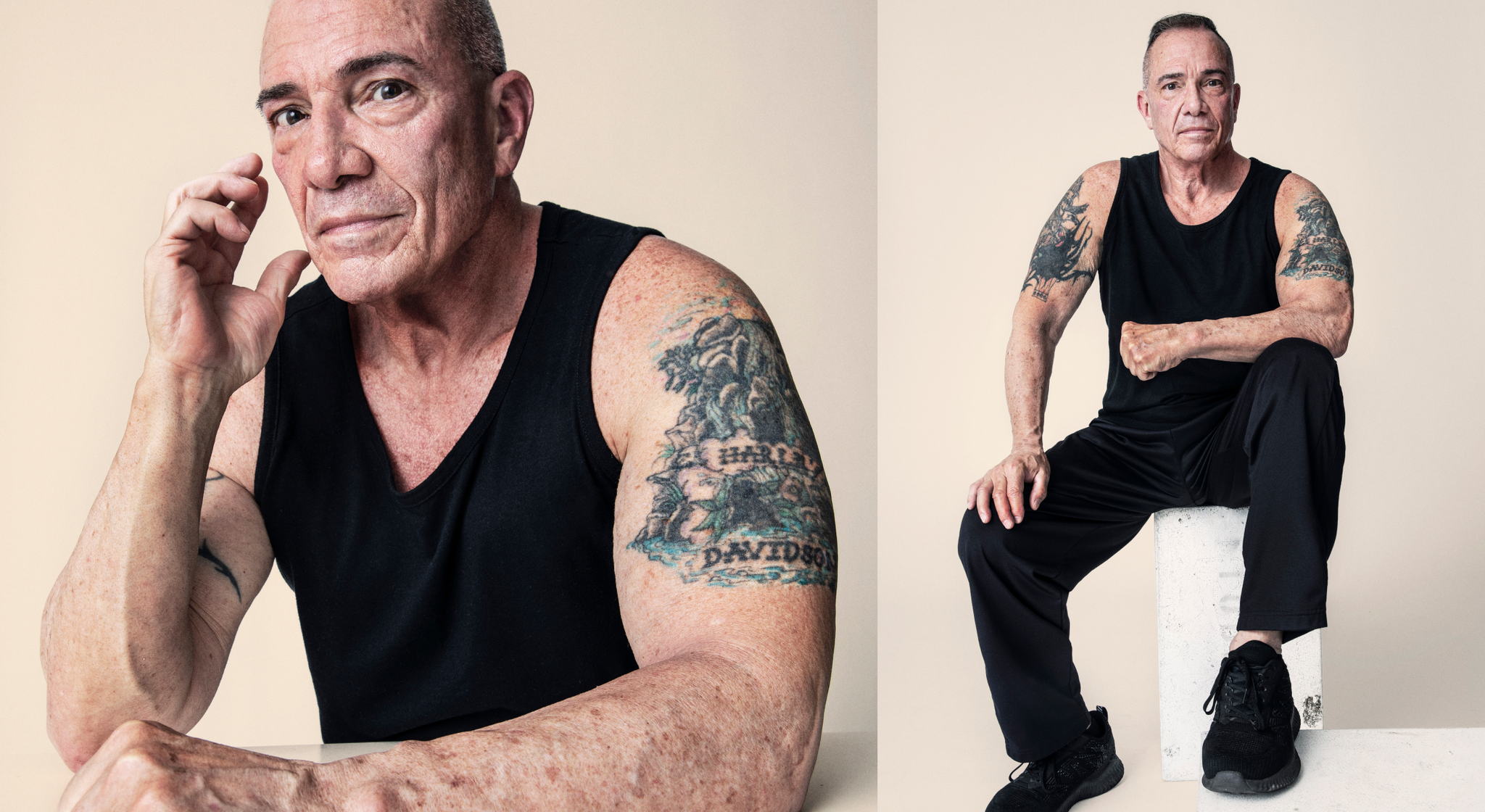
Bob Lessard Jr.
71, New Jersey
Symptoms: Low energy; low libido
Before TRT: 210 ng/dL
After TRT: 900–1,000 ng/dL
Bob Lessard Jr., a fifth-grade math teacher in New Jersey, has been on TRT for about a decade. And many guys want what he’s having. “My son-in-laws, they’re in their 40s, and they’re like, ‘We can’t lift as much as you. We don’t look as good as you. I can’t believe you’re 71 and look like the way you look,’ ” he says. Lessard Jr. works out regularly—a hobby he’s maintained since he was a teenager—and is grateful that his twice-weekly testosterone injections help him maintain his energy and strength. The boost in libido doesn’t hurt, either. “I’m very happy that I’m functional and capable of taking care of myself and my family.”
His Stack: Testosterone | Creatine | L-Citrulline
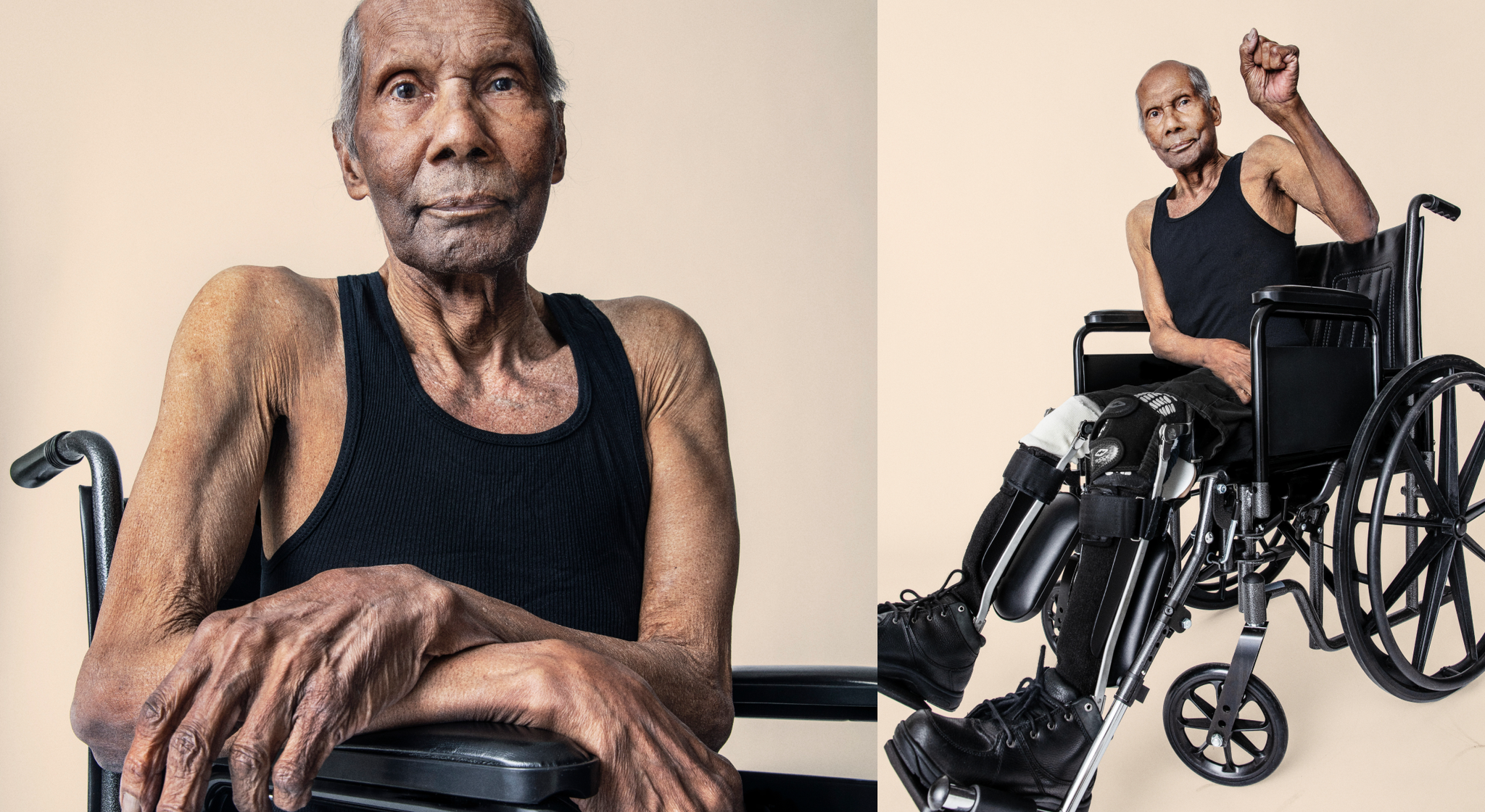
Jacob Samuel
82, New York
When he was diagnosed with polio at 7 years old, the doctor told his father he wouldn’t live past 40. This month, Jacob Samuel turned 82 years old. “Life has its own gift to you if you have the courage to take it by the horn and fight,” he says. Samuel doesn’t have motor function in his legs and feet, so he’s used to struggling physically to get from point A to point B (he wears braces on both his legs and mainly gets around using crutches). When he felt extra slow and lethargic five years ago, he started getting quarterly blood panels through the telehealth platform Opt Health. Once his levels fell below 300, he began applying testosterone cream daily, and his levels are now regularly between 400 and 500 ng/dL. He still lives with chronic pain, but he’s able to sit down, stand up, and walk a bit more vigorously.
His Stack: Testosterone | Berberine | Krill Oil | Multivitamin
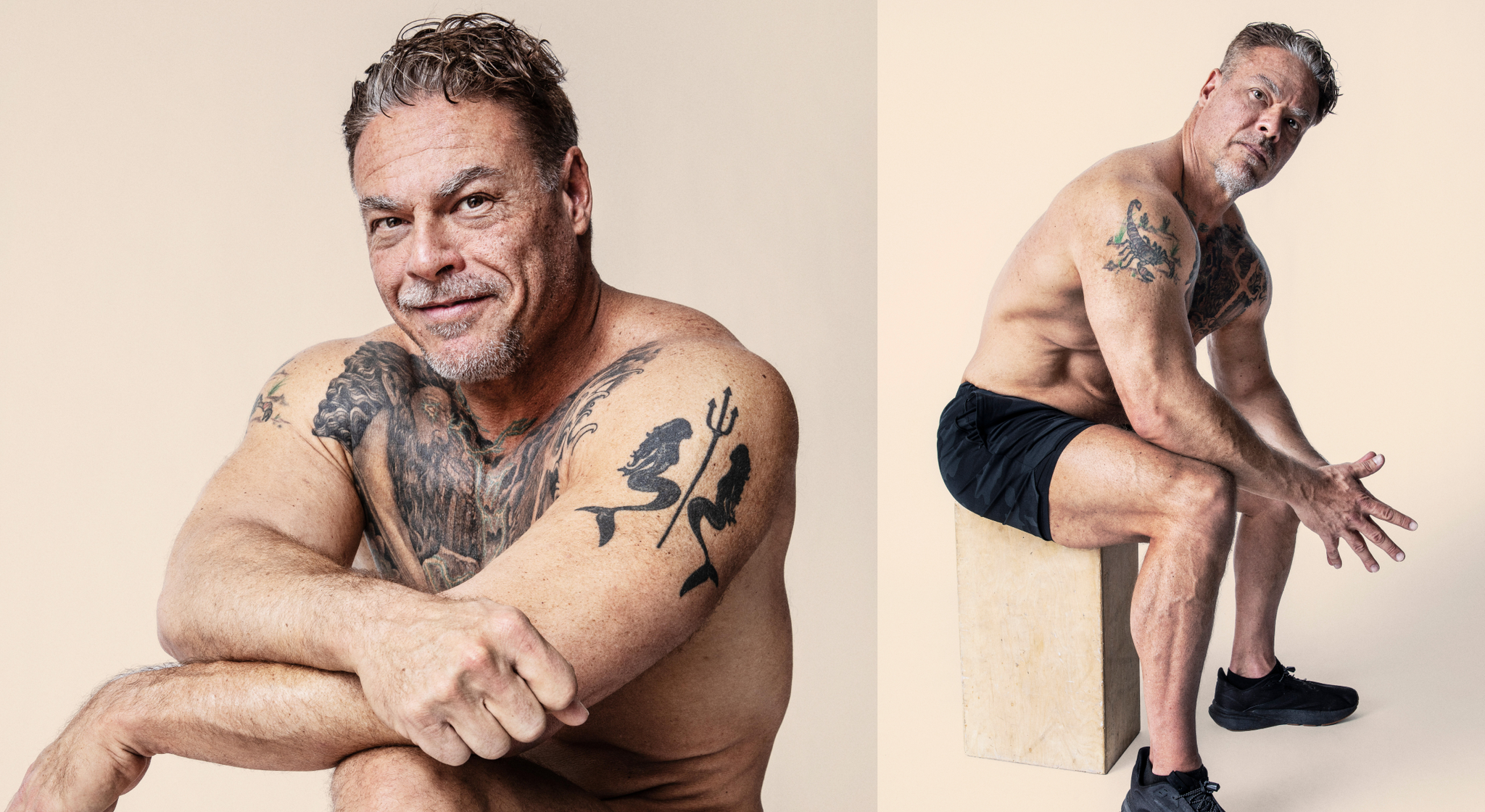
Jason Holmes
51, Texas
“You can’t just take testosterone and automatically get in great shape.”
About five years ago, Jason Holmes felt tired and unmotivated to work out. His weight steadily crept up to 350 pounds on his 6’1″ frame. The then 46-year-old, who runs a digital marketing agency, started seeing ads for TRT and got his levels tested. They ended up being in the 300s. His primary care doc told him that he was just getting older. Unsatisfied with “just aging,” he looked up an online TRT clinic. “They’re the ones that got me to where I was optimized and feeling a lot better,” he says.
Holmes now takes twice-weekly testosterone injections, and his levels typically sit somewhere between 750 and 900 ng/dL. He immediately noticed an impact on his mood, energy, and libido. Reaching his body-composition goals took a bit longer. Three years into taking TRT, he overhauled his diet (he aims for 225 grams of protein daily), started strength training six days per week, cut his alcohol intake by 90 percent, and began a low dose of a GLP-1. Over the past two years, he’s lost 120 pounds and says he’s “in the best shape of my life.”
His Stack: Testosterone | Tesamorelin | Ipamorelin | Semaglutide | Creatine | COQ10 | Magnesium | Multivitamin
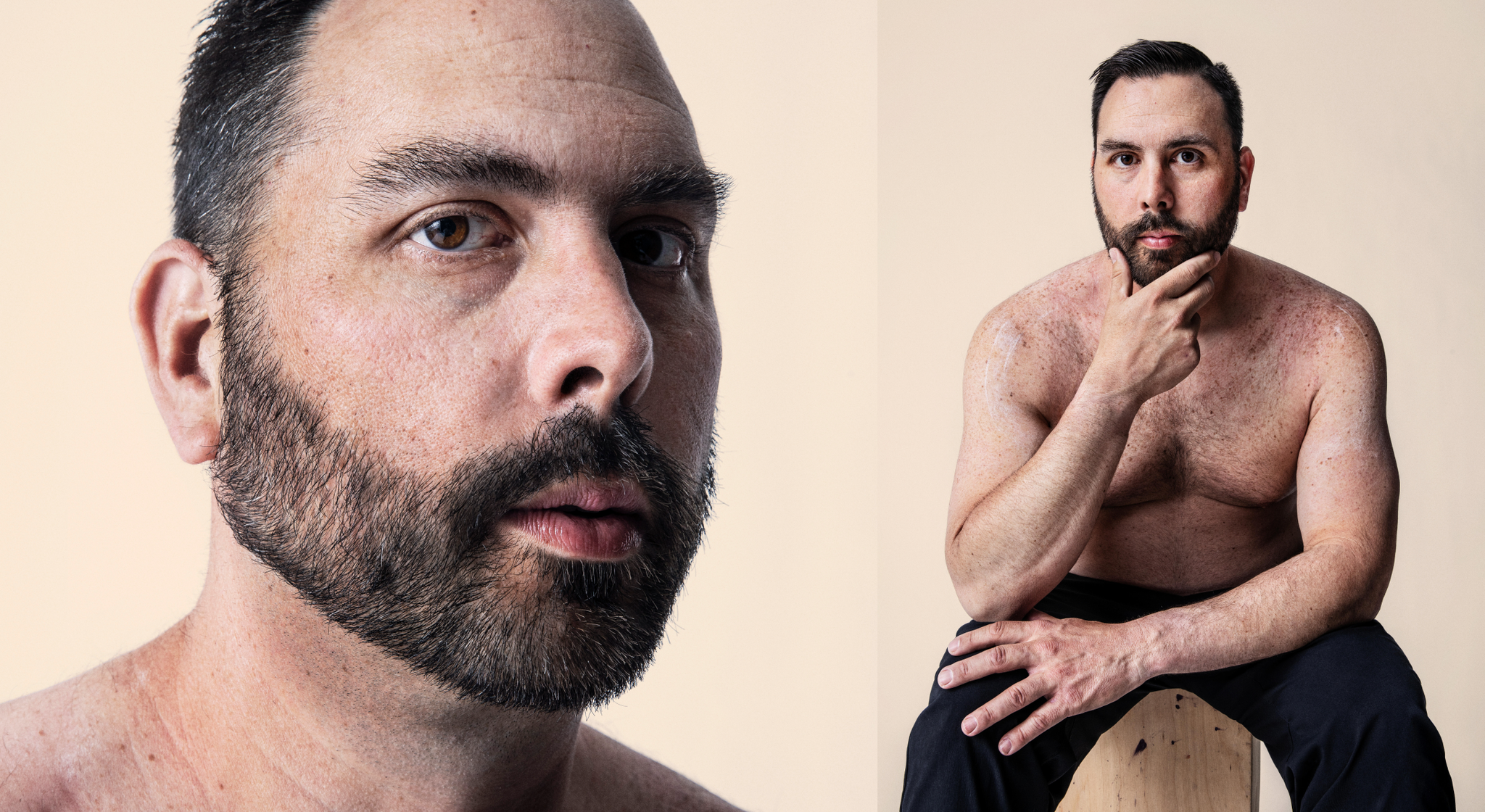
Rocco Buccheri
42, Connecticut
“I am a person who undoubtedly, in order to have any function as a man, needs testosterone therapy.”
After Rocco Buccheri received his second testicular cancer diagnosis in 2010, his doctors told him they needed to remove his remaining testicle. Before it was removed, though, he had to think about his fertility. “At the time, I was in my twenties and I hadn’t started a family,” says Buccheri. “So we had to worry about family planning in addition to the cancer.” Buccheri and his then-fiancé made the decision to freeze his sperm. After removing his remaining testicle, his testosterone levels would have tanked, so he started TRT the day of the surgery.
Buccheri currently applies four pumps of testosterone gel on his shoulders every morning, which brings his levels to around 378 ng/dL. Up until about 15 months ago, he used testosterone pellets that worked much more effectively for him. “My insurance carrier basically said it wasn’t medically necessary anymore, which is hard to believe since I need this drug in order to remain functional as a man,” he says. He appealed it and heard nothing back, so he switched to the gel. “It took my doctor almost eight months to get the amount I use right,” he says. “So for the first few months my levels were below normal.”
A two-time testicular cancer survivor, Buccheri will be on TRT for the rest of his life. In 2014, him and his wife welcomed a son via IVF and twins (a daughter and a son) in 2017.
His Stack: Testosterone
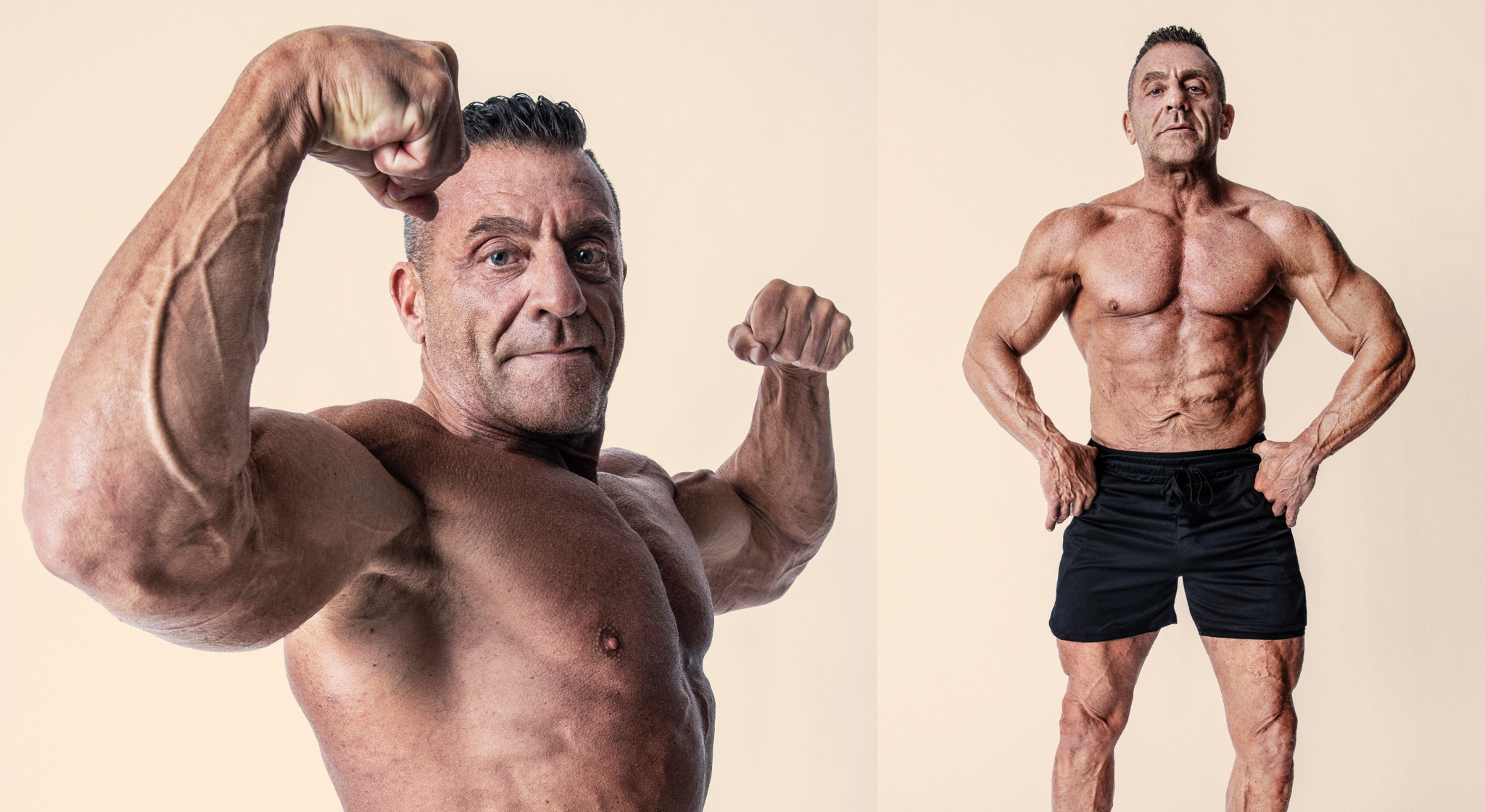
Rob Dondero
59, New Jersey
In his mid-thirties, Rob Dondero was in the best shape of his life. But by his mid-forties, he felt weak and sluggish, and couldn’t keep a low body-fat percentage. When his GP checked his testosterone, it was below 300 ng/dL. “I tend to go overboard, so I jacked it up to 1,100 and stayed at that level until I was diagnosed with thyroid cancer in 2015,” Dondero says, noting that the cancer wasn’t attributed to his T use.
Two surgeries, several complications, and a 30-pound weight gain left him feeling terrible for the better part of three years. “I was lethargic, didn’t want to do anything, couldn’t make any gains in the gym, and couldn’t lose weight,” he says. Once he got the all-clear from his doctor, he immediately restarted twice-weekly testosterone injections. Now, Dondero’s levels are back to 1,100 ng/dL (he gets them checked twice a year) and he recently won the men’s bodybuilding and men’s physique 50+ divisions at the Atlantic States Championships. “I’m 1,000 percent better,” he says. “I’ll be on TRT for the rest of my life.”
His Stack: Testosterone | Growth Hormone | BPC-157 | Collagen | Glutamine | Greens
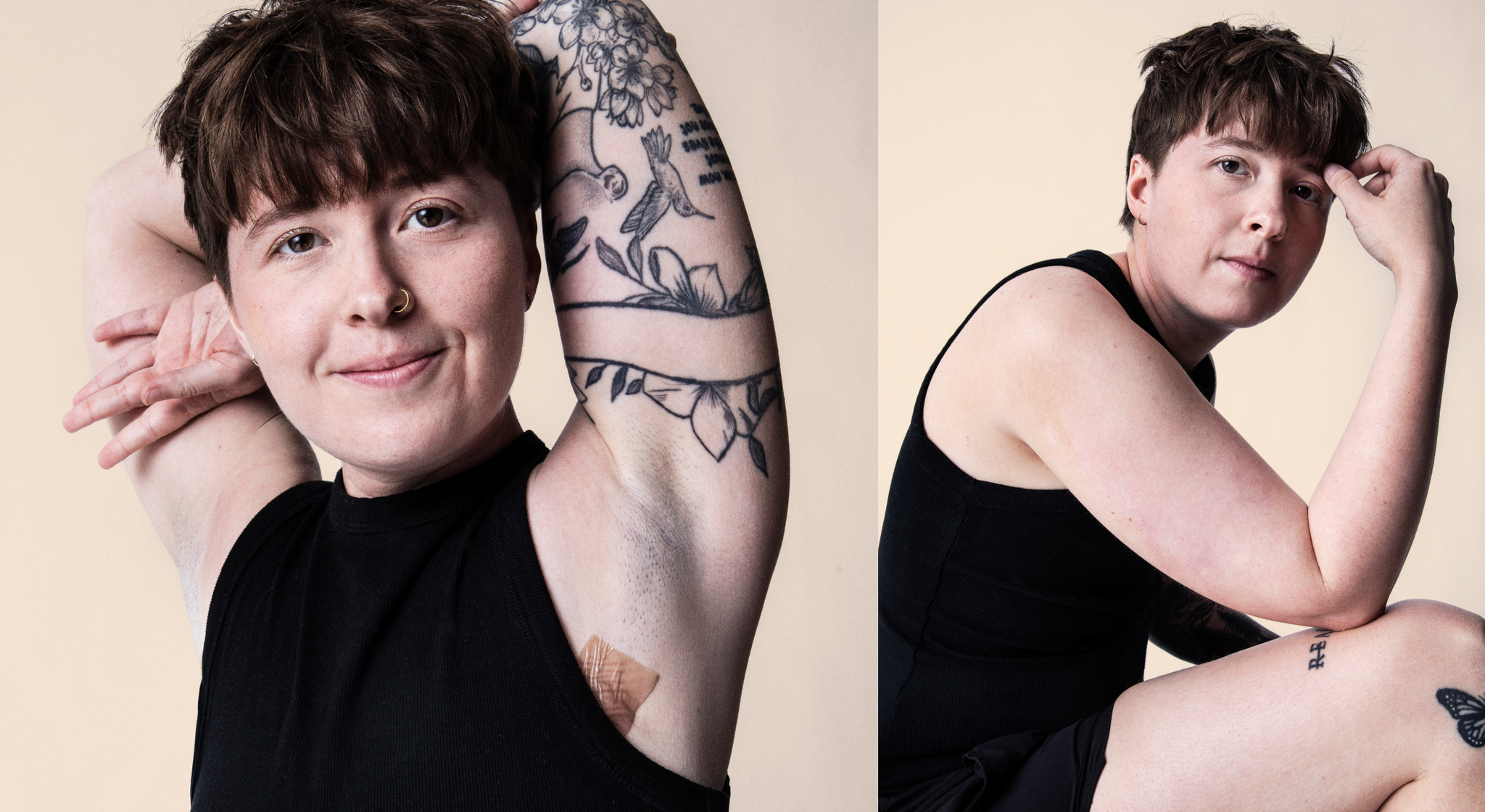
Summer Henderson
26, New Jersey
“I had never been able to do a pullup in my life, and within four months I could.”
After receiving top surgery in September 2025, Summer Henderson decided to begin testosterone therapy in hopes of achieving a more masculine physique. “There was a lot of fear at the start about what was going to be permanent and how society was going to perceive it,” they say. “But after seeing the changes that happened and the confidence that came with it, those fears went away.”
Henderson currently applies testosterone gel daily (their levels currently sit around 500 ng/dL), but they’re hoping to switch to injections as they slowly up their dose. Less than a year into taking T, the biggest changes they’ve noticed so far are an increase in appetite (“I didn’t realize I was undereating. I started to have a healthier relationship with food”) and more muscle definition in their back and biceps. “I’d gone to the gym for about two years religiously, and I really hadn’t seen any change. Within three months of [taking] testosterone, I started to see some definition I didn’t know was possible.”
Their Stack: Testosterone
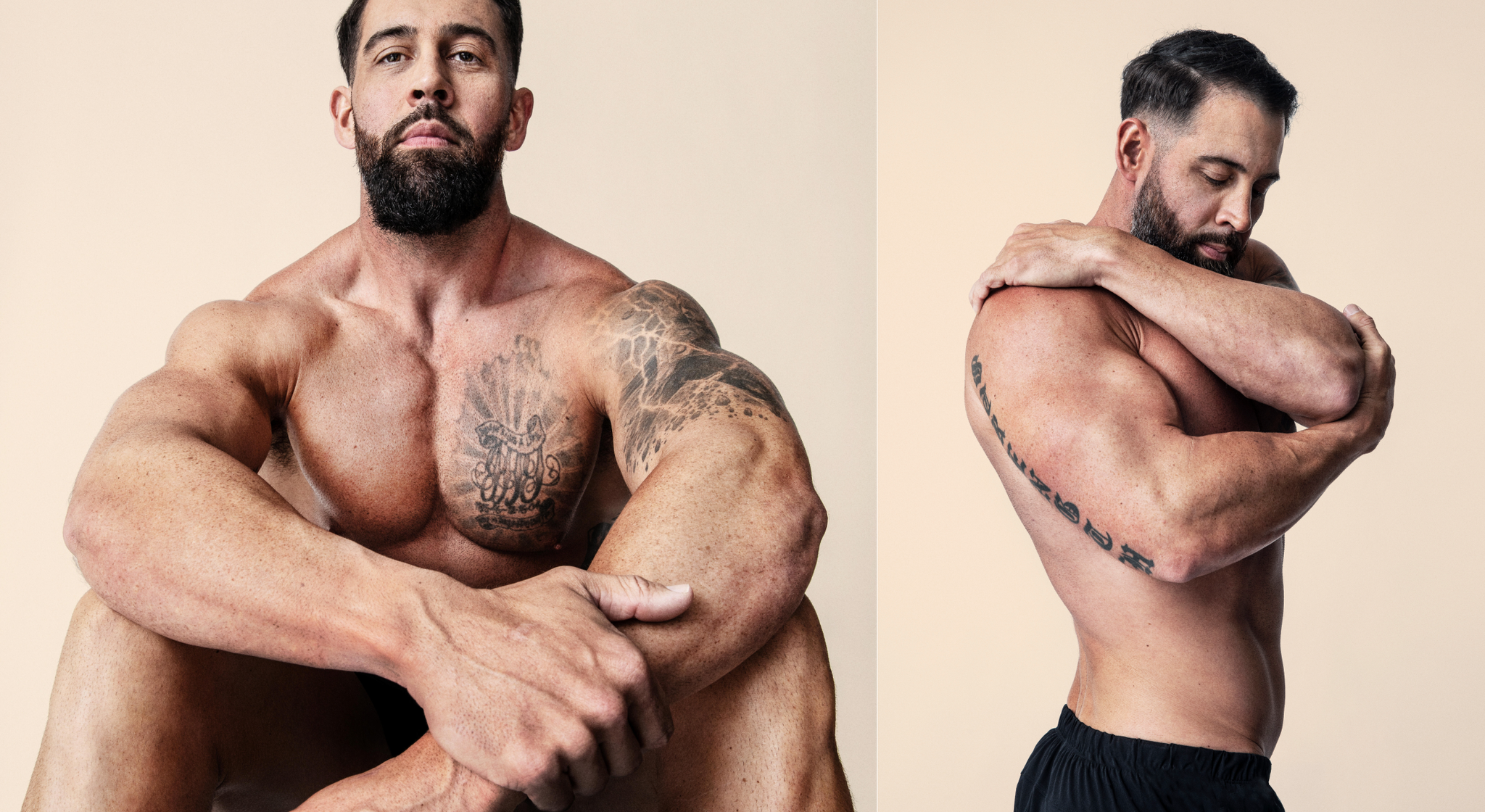
Michael Gehm
34, Florida
Symptoms: Low energy; insomnia; mood changes
Before TRT: Below 200 ng/dL
After TRT: 1,100-1,300 ng/dL
As a personal trainer and bartender, working crazy hours and feeling tired wasn’t unusual for Michael Gehm. But when the then-27-year-old started experiencing insomnia, he called up a doctor friend of his who suggested he get some bloodwork done. When Gehm’s bloodwork came back, he found out his testosterone levels were below 200 ng/dL—below “normal” range. Before considering testosterone replacement therapy (TRT), Gehm says he and his doctor tried some lifestyle changes first like tweaking his diet and drinking less. But nothing they tried significantly improved his symptoms. So he started TRT.
Within a few months, his energy returned, he was sleeping through the night, and his strength and endurance came back. “My overall life quality was improving,” he says. “It wasn’t just the gym. I was in a better mood. I felt like my relationships got better. Pretty much everything got better.” At first, he was concerned about his fertility, but after talking to his doctor he decided to go on Human Chorionic Gonadotropin (HCG) to keep his natural testosterone production up while taking his weekly injections. Six years later, Gehm says he only plans to come off the T if he tries to have a kid. Or not—he may try a “pregnancy protocol” that involves lowering his TRT dose, increasing his HCG dose, and throwing in a couple peptides.
His Stack: Testosterone | HCG | BPC-157 | TB-500 | Tesamorelin | Creatine | Vitamin C | Fish Oil | Athletic Greens | Vitamin D3 | Vitamin K2 | Magnesium
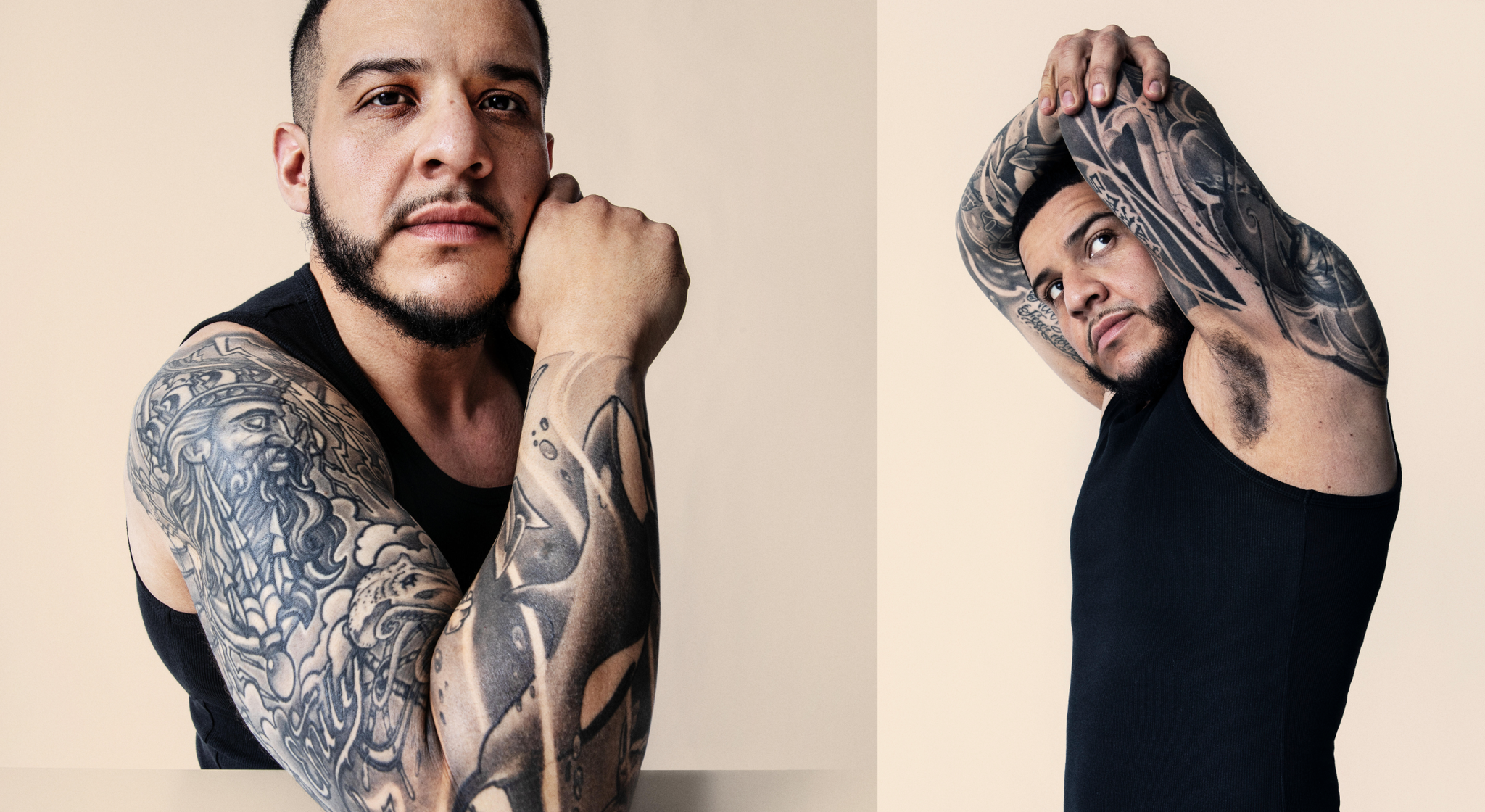
John Gonzalez
35, New York
Symptoms: Low energy; fatigue; mood changes
Before TRT: 320 ng/dL
After TRT: 700-800 ng/dL
For years, John Gonzalez couldn’t shake the feeling that something was wrong with him. He was exhausted, struggling through workouts, and wondering why everything—from getting out of bed to making it through the workday—just felt hard. Blood work showed his testosterone level was technically “normal,” but near the bottom of the cutoff for a formal diagnosis of “low T” at 300 ng/dL. His primary care doctor wouldn’t prescribe him TRT, so Gonzalez sought treatment at a wellness clinic.
Almost a year later, he says he’s happier, has more energy, and performs better in the gym and at work. “I used to be a little embarrassed to tell people, especially in my age bracket, that I’m taking testosterone replacement,” Gonzalez says. “But I grew out of that because everybody gets help in some way.”
Alongside testosterone, he’s taking retatrutide—an investigational weight-loss drug that’s not yet FDA-approved—which has helped him lose more than 90 pounds. He plans to cycle on and off the T and reta, though he worries about what will happen if he eventually stops both. “When I started, I wasn’t really thinking about long-term,” he says. “Now that I’m dosing off, I do get scared like, oh, if I stop, am I still going to be able to look big or am I still going to be able to work out and burn fat? Am I still going to be able to recover? That’s always the thought in my mind.”
His Stack: Testosterone | Retatrutide | Creatine | BCAA
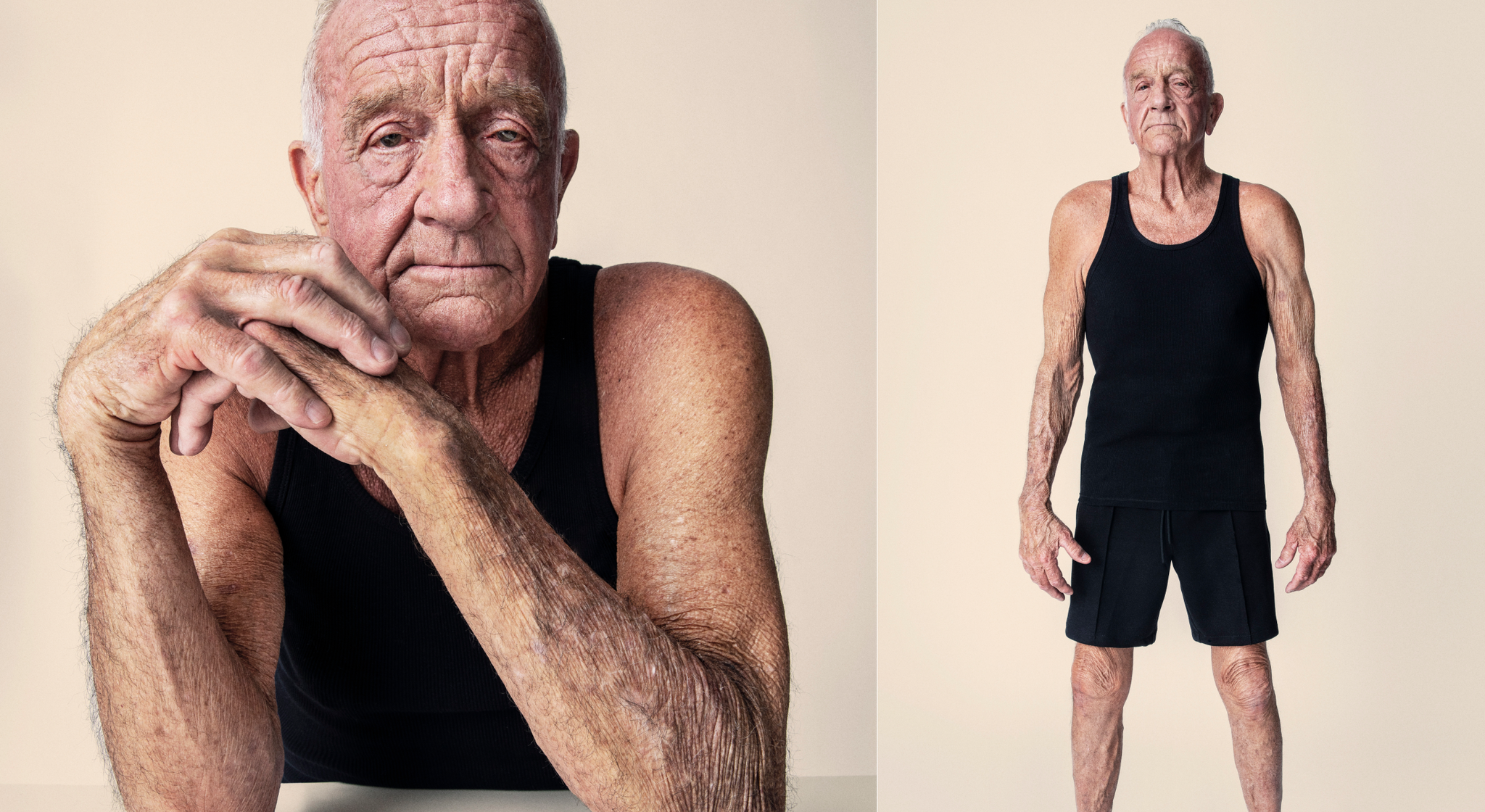
David Collins
79, California
Symptoms: Low energy; low libido
Before TRT: 300 ng/dL
After TRT: 1,000 ng/dL
When David Collins started testosterone therapy at 75 years old, the retired plumber hoped it might help with his low energy after the death of his wife of 50 years. What followed surprised him. Collins felt more energetic, more outgoing, and more willing to engage with people in ways he never had before. He recalls striking up a conversation with a woman at the grocery store. Soon after, he reconnected with a high school girlfriend, who had married his best friend while he was serving in the Vietnam War. The two, who hadn’t seen each other in nearly 60 years, eventually married. Overall, Collins says the twice-weekly injections have helped him feel more physically active (he does 100 pushups every morning and another 100 at night before bed), socially engaged, and optimistic about this stage of his life.
His Stack: Testosterone | DHEA | Vitamin K
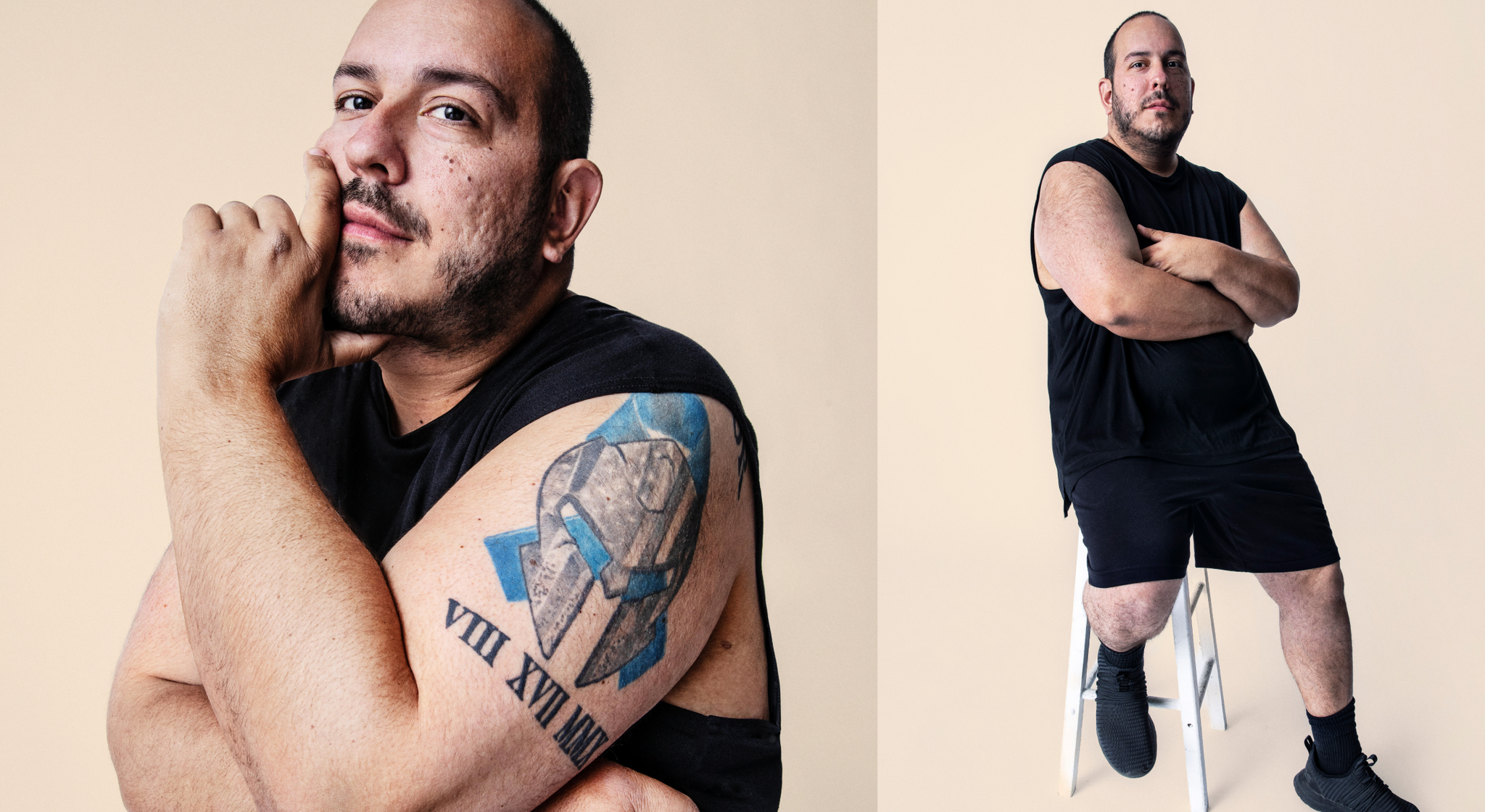
Michael Acosta
33, Texas
At 17 years old, Michael Acosta was diagnosed with stage 2B testicular cancer. After having surgery to remove his remaining testicle (his first one was removed as a baby), three rounds of chemo, and a surgery called Retroperitoneal Lymph Node Dissection (RPLND), he was declared cancer-free. Except now his testosterone levels were at 10 ng/dL, so his doctor put him on testosterone replacement therapy (TRT). He’s required to take it for the rest of his life.
Acosta started with a gel formulation. After six years, he switched to once-weekly injections. Today, his levels are around 351 ng/dL, the low end of normal for his age, though he feels great—he walks as much as he can, logging several miles per day on his Apple Watch, and travels the country. When his testosterone levels tanked after going a couple stints without it (once when he switched to a new doctor in a small town, and another when he temporarily lost his health insurance during a job loss), he could definitely feel it.
“I compare it to high school health class when you would put on the drunk driving goggles and everything’s in a fog,” he says. “You feel like you’re a split second late to react, and you’re a step behind on everything.”
His Stack: Testosterone | Levothyroxine | Vitamin D
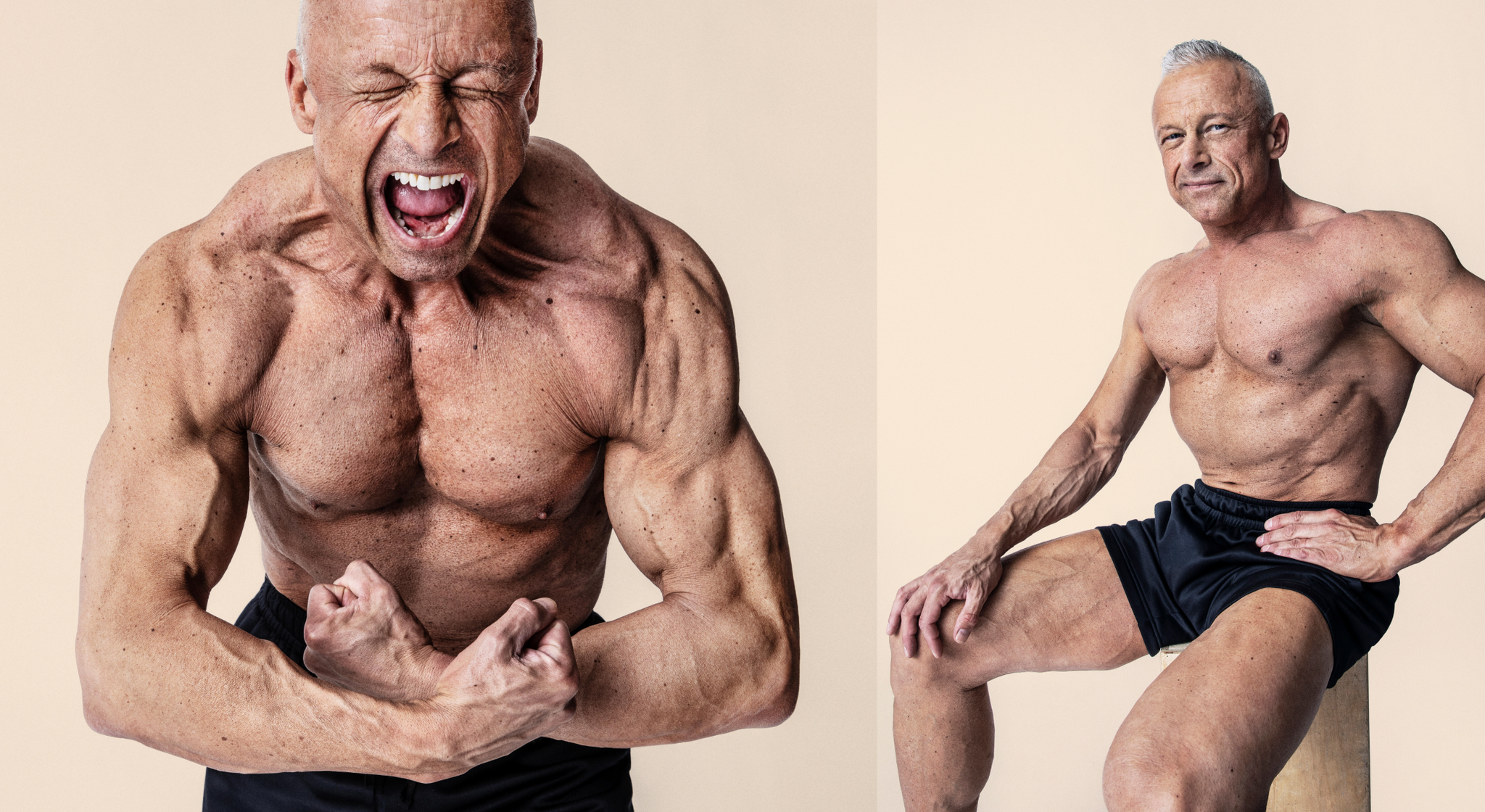
Bryan Krahn
53, Alberta
“I don’t think taking this stuff is going to add years to my life. But it’s added life to my years.”
In his late thirties, longtime personal trainer and bodybuilder Bryan Krahn found himself stuck in a mental fog that made choices like what to eat for dinner feel overwhelming. His wife noticed. So did a counselor, who suggested he might be depressed. Krahn’s physician was prepared to prescribe him an antidepressant but ordered bloodwork first. His testosterone came back low, so he decided to try TRT.
Within a few days, Krahn felt like a teenager again (his libido went up, he got a ton of energy) and mentally it’s been “night and day.” Fifteen years later, Krahn still does twice-weekly injections with the exception of a two-year break he took in the early 2010s to restore his fertility and become a father. (He took Clomid and HCG to get his sperm production going again.) “I’m in my fifties now and I got a nine-year-old son,” he says. “I just have so much more energy. I’m sure I’d be able to handle it if I didn’t have [the testosterone], but it just makes life a lot better.”
His Stack: Testosterone | Cialis | Thyroid Medication | Vitamin D3 | Fish Oil | CoQ10 | Fiber
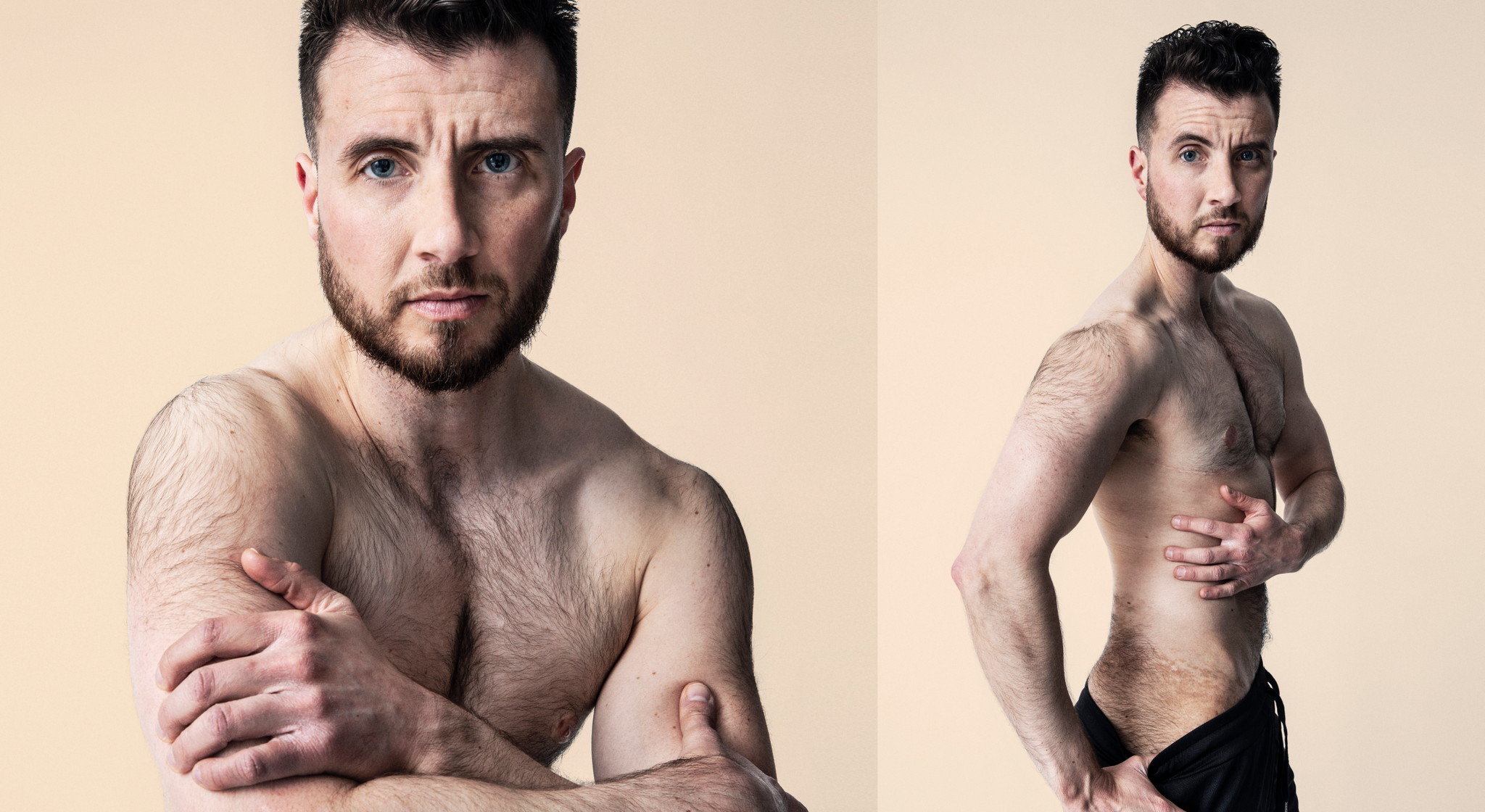
Bari Glassman
35, Pennsylvania
“I started it to feel more like myself. I’m happier, more confident—it has made me a better human being.”
For Bari Glassman, testosterone wasn’t about chasing strength or performance—it was about finally feeling at home in his own body. Glassman, a registered dietician, began testosterone therapy in 2019 as part of his gender transition. He describes the treatment as life-changing, saying it brought a deeper sense of confidence, authenticity, and emotional well-being.
Throughout his transition, Glassman worked closely with his health care team at the Mazzoni Center in Philadelphia. He underwent regular blood work and monitored his cholesterol (he has a genetic disposition to elevated cholesterol and studies have shown testosterone therapy can potentially increase cholesterol levels), while prioritizing sleep, nutrition, exercise, and mental health. As he told Men’s Health a few years ago, “Testosterone had allowed me to take on a new identity, one that felt whole, complete.”
His Stack: Testosterone | Collagen | Creatine | Electrolytes | Essential Amino Acids | Glutamine | Multivitamin | Vitamin D
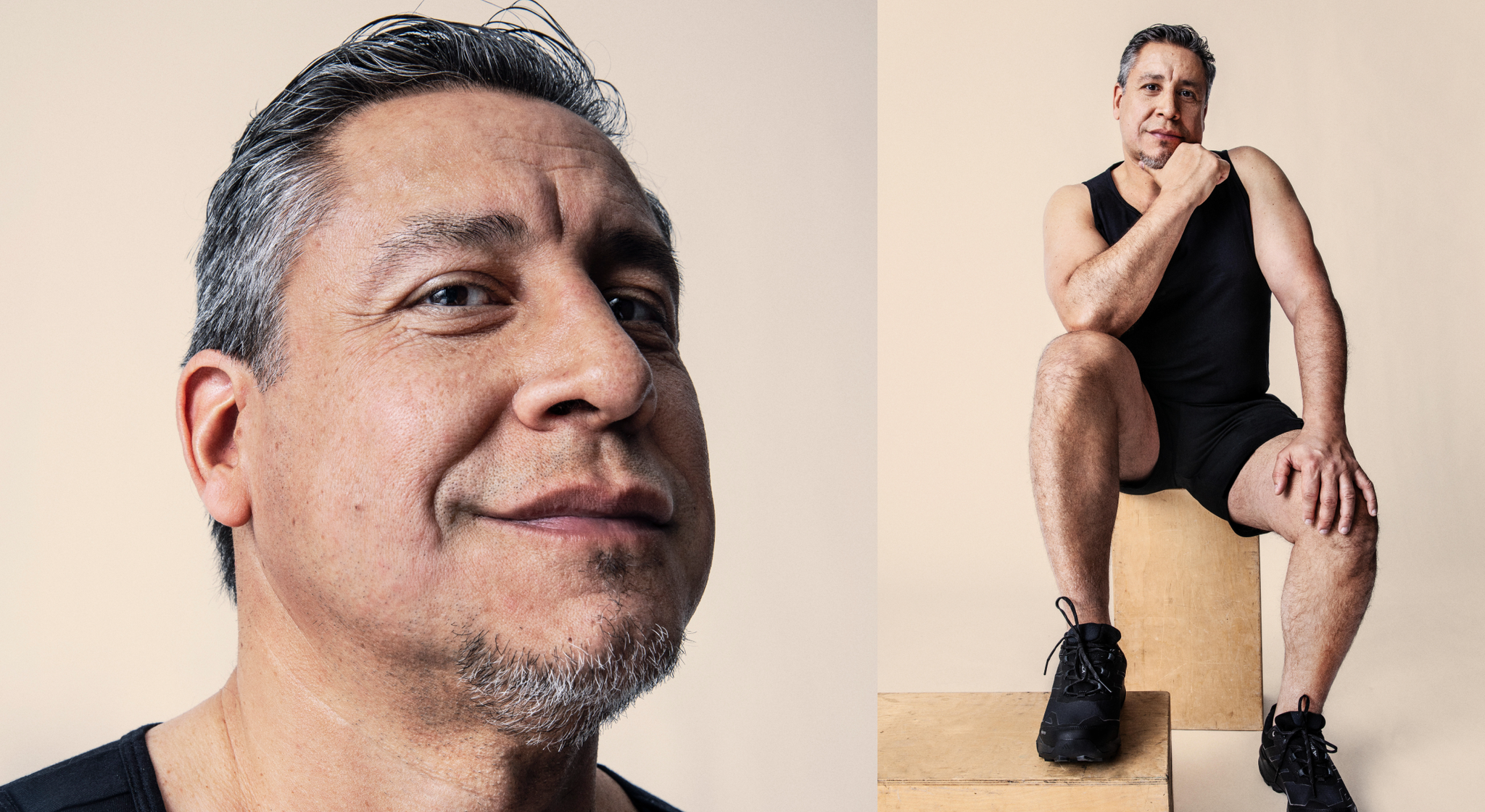
Antonio Garcia
57, Connecticut
When Antonio Garcia felt his fifties creeping up on him, he started looking for something that would help him increase his energy, libido, and muscle mass. “I have a younger wife and I wanted to make sure that I was up to par,” he says. His testosterone level came back at 120 ng/dL, so he settled on testosterone pellets—a long-acting form of TRT that requires a procedure to insert them (typically in your hips or buttocks). His testosterone levels jumped to 1,800 ng/dL. The first 30 days, he had an erection every night. As the pellets lose potency over the course of six or seven months, he’d add wild yam cream to maintain his higher levels and balance out his hormones. (Wild yam’s therapeutic effects have yet to be scientifically proven.)
Seven years later, Garcia does bloodwork every six months to check his levels and make sure the pellets aren’t damaging any of his organs. He says he’s experienced no side effects—in fact, he’s feeling better than ever. “I feel like a young man again,” he says. “I have this energy that’s just nonstop that I could just go on and on and on. From a sexual standpoint, I could do it all night long. I feel happy. I feel very positive. I sleep well. I haven’t lost muscle mass, which was a key thing for me. I still look young.”
His Stack: Testosterone | Omega-3 | Quercetin | Bromelain | Citrus Bergamot | Ubiquinol | N-Acetylcysteine | Nitric Oxide | Berberine | Homocysteine Supreme
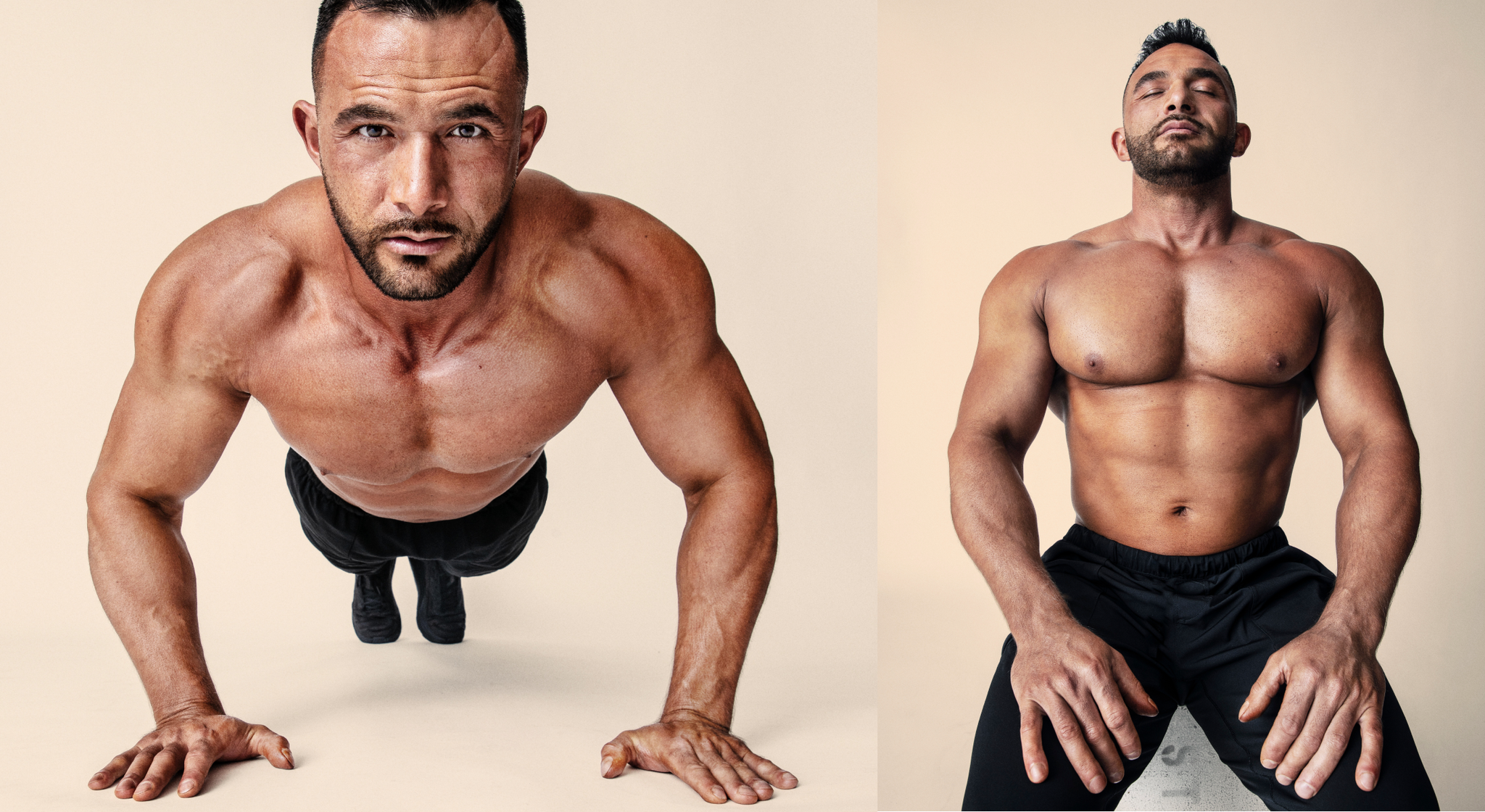
Burak King
36, Florida
Burak King, a former college football player turned professional bodybuilder and Mr. Olympia competitor, started taking testosterone at age 24 to be competitive on the professional stage. “I tried to compete without taking testosterone and was getting beat by guys that were on testosterone and other enhancement stuff,” he says, noting he had reservations about long-term side effects like infertility. “Once I made the decision, there was no going back.”
Before King started his twice-weekly testosterone injections, his levels were below 300 ng/dL. Now, he tries to keep them around 1,000 ng/dL year-round, although he’ll cycle onto a higher performance dose ahead of bodybuilding competitions. To do that, he relies on post-cycle therapy (PCT), which includes HCG or Clomid—both drugs used to stimulate natural testosterone production. King has also gone through phases where he comes off testosterone completely, and has felt the difference in his sleep, recovery, energy and motivation. “I haven’t decided if I’ll take it forever,” he says. “But I do believe when I’m off it, I’m not at my best.”
His Stack: Testosterone | Multivitamin | Fish Oil | Vitamin D | Creatine | HCG | Clomid
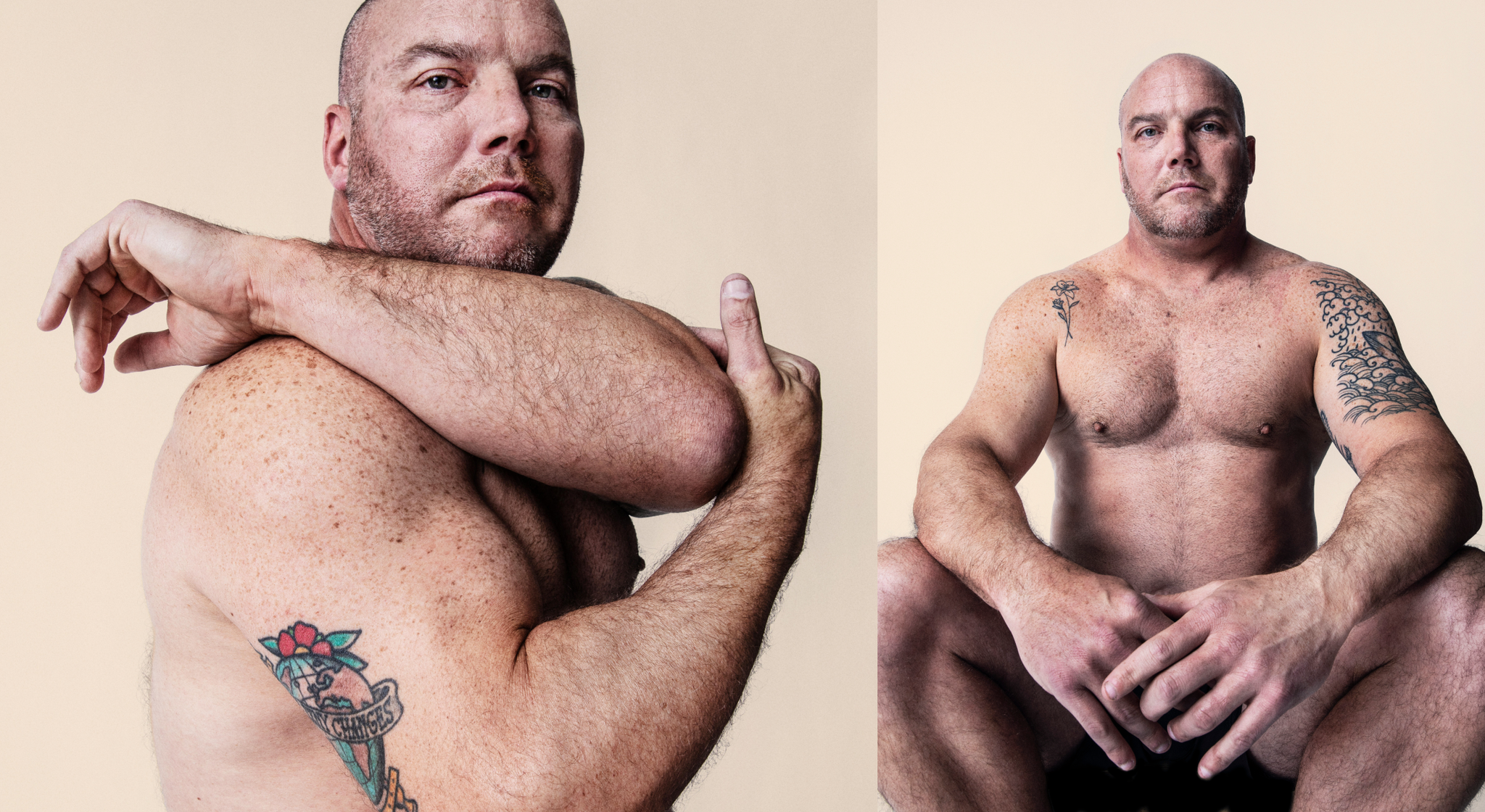
Mike Kane
45, Pennsylvania
Symptoms: Low energy
Before TRT: 340 ng/dL
After TRT: 538 ng/dL
Before testosterone, Mike Kane felt like he’d hit a wall. Despite doing regular CrossFit workouts, he wasn’t getting stronger. Old injuries lingered. He woke up tired and dragged through the day, chalking it up to getting older. After months of seeing TRT ads online, he finally got his levels checked at a clinic that opened up near his office. His testosterone came back just below 340 ng/dL. Two weeks later, he started TRT.
Today, just over a year later, Kane says he’s sleeping better, recovering faster, and seeing progress in the gym. The twice-weekly injections, once super intimidating for someone “notoriously terrified of needles,” have become routine. He’s had no major side effects so far, minus some night sweats in the beginning and a little body hair growth. “I don’t know if I’m going to be 70 and taking it,” he says. “At the same time, the way 70-year-olds look now, it’s like, well, hell, maybe I will be.”
His Stack: Testosterone
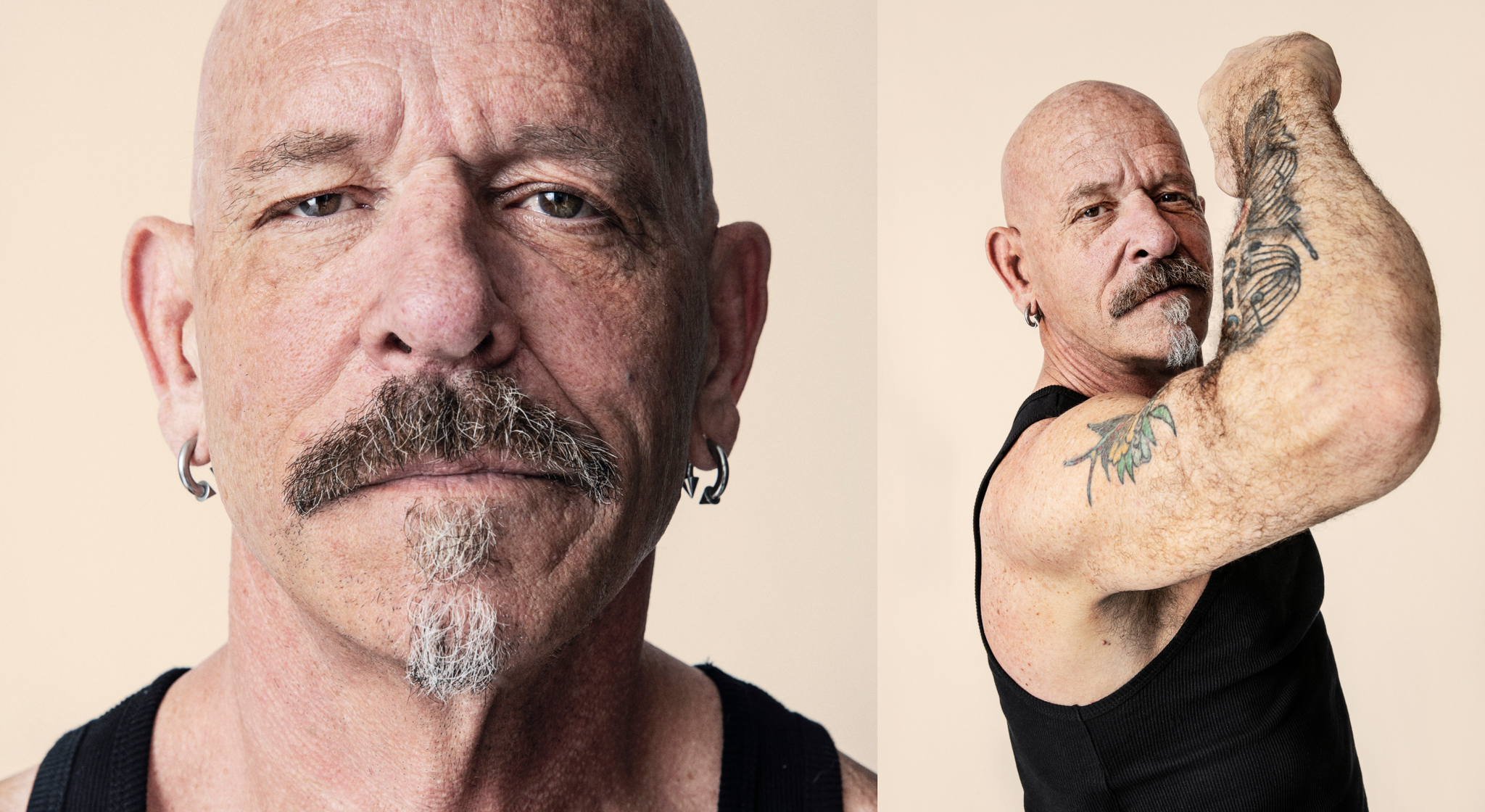
Michael Ayers
64, California
Michael Ayers always considered himself an energetic, go-getter kind of guy. But five years ago, the Local 447 union pipefitter and Navy combat veteran felt like everything was slowly going downhill—his energy, his confidence, his interest in, well, anything. With help from doctors at telehealth platform Opt Health, he realized that his testosterone was on the lower end at around 320 ng/dL, so they prescribed him TRT.
Within about two weeks of starting weekly TRT injections, he noticed he was sleeping better and losing weight. He then recommended TRT to his uncle (David Collins, referenced earlier in this piece) who’s also a combat veteran. “We both suffer from PTSD,” he says. “I think [the TRT has] stabilized me, although I have no clinical proof of that. I’m confident. I feel like I’m in charge. I don’t take shit from anybody.”
Today, Ayers’s T levels hover around 1,000 ng/dL. He says his younger coworkers are always trying to keep up with him—not the other way around. “Nobody knows or thinks I’m 64,” he says. “I just feel great and have a good sense of well-being. People always compliment me on how I look.”
His Stack: Testosterone| BPC-157 | Magnesium | Vitamin K

Shannon Willis
32, New York
“People think that you take testosterone and all of a sudden your muscles start popping out of your skin, which is just not true.”
After experiencing years of gender dysphoria, Shannon Willis began taking testosterone in October 2022. “My excitement for being able to live my life comfortably overshadowed my fears of any negative side effects that I would have,” explains Willis, who identifies as a trans man. The mental changes have been as significant as the physical ones. Yes, they’ve experienced more hair growth and voice changes, but mostly they feel calmer and less anxious. Occasionally they deal with irritability and bouts of depression when behind on taking their weekly injections. Their current testosterone level sits between 400 and 780 ng/dL.
“Not everyone’s going to be supportive and understand. But if it’s making you happy and you can’t live without it, it’s almost non-negotiable. It’s saved my life and it’s made things a lot easier for me.”
Their Stack: Testosterone | Multivitamin
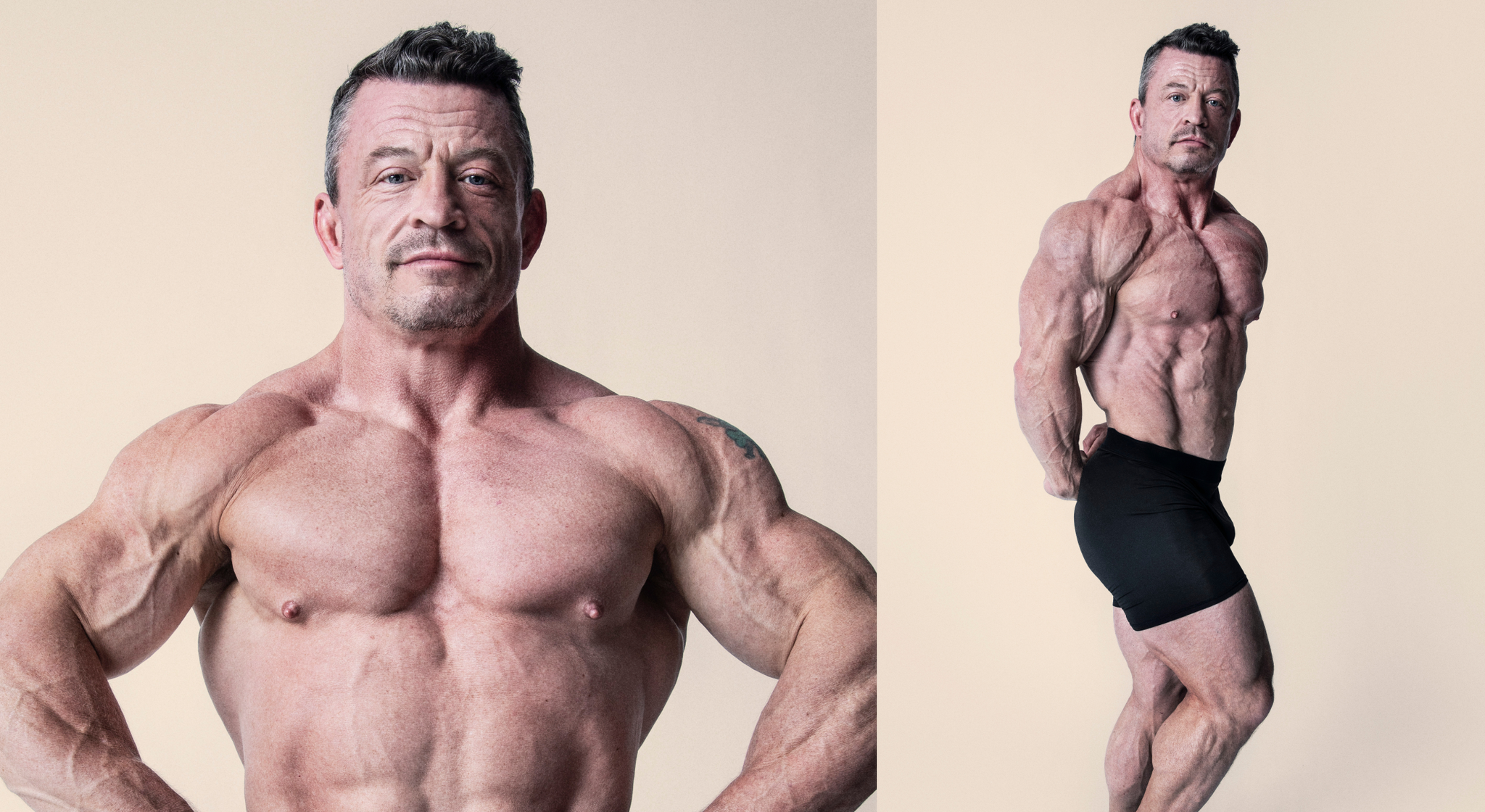
Pat Davidson
46, New Jersey
Pat Davidson, Ph.D., a strength and conditioning coach, has no interest in blurring the line between testosterone replacement therapy (TRT) and steroids. He says he’s only used testosterone as part of a performance-enhancing drug regimen while preparing for competition—not to treat low testosterone or improve his health. He took testosterone for the first time in his thirties for two years when he competed in Strongman. He took it again for three years when he started bodybuilding.
During a standard 20-week contest prep (the term used for the fat loss phase to get ready to step on stage), testosterone is just one piece of a larger stack of anabolic steroids Davidson takes at doses much higher than what’s used in medical TRT. He says the only side effect he’s had is site pain from the injections when the chemical falls out of the suspension it’s held in, which can lead to scarring of the tissues. “If you’re looking to compete in bodybuilding or another sport and you’re going to use drugs, get a coach,” he says. “If you’re going to do TRT, work with a doctor.”
His Stack: Testosterone | Masteron | Trenbolone | Growth Hormone | Retatrutide | Niacin | Baby Aspirin | Vitamin D
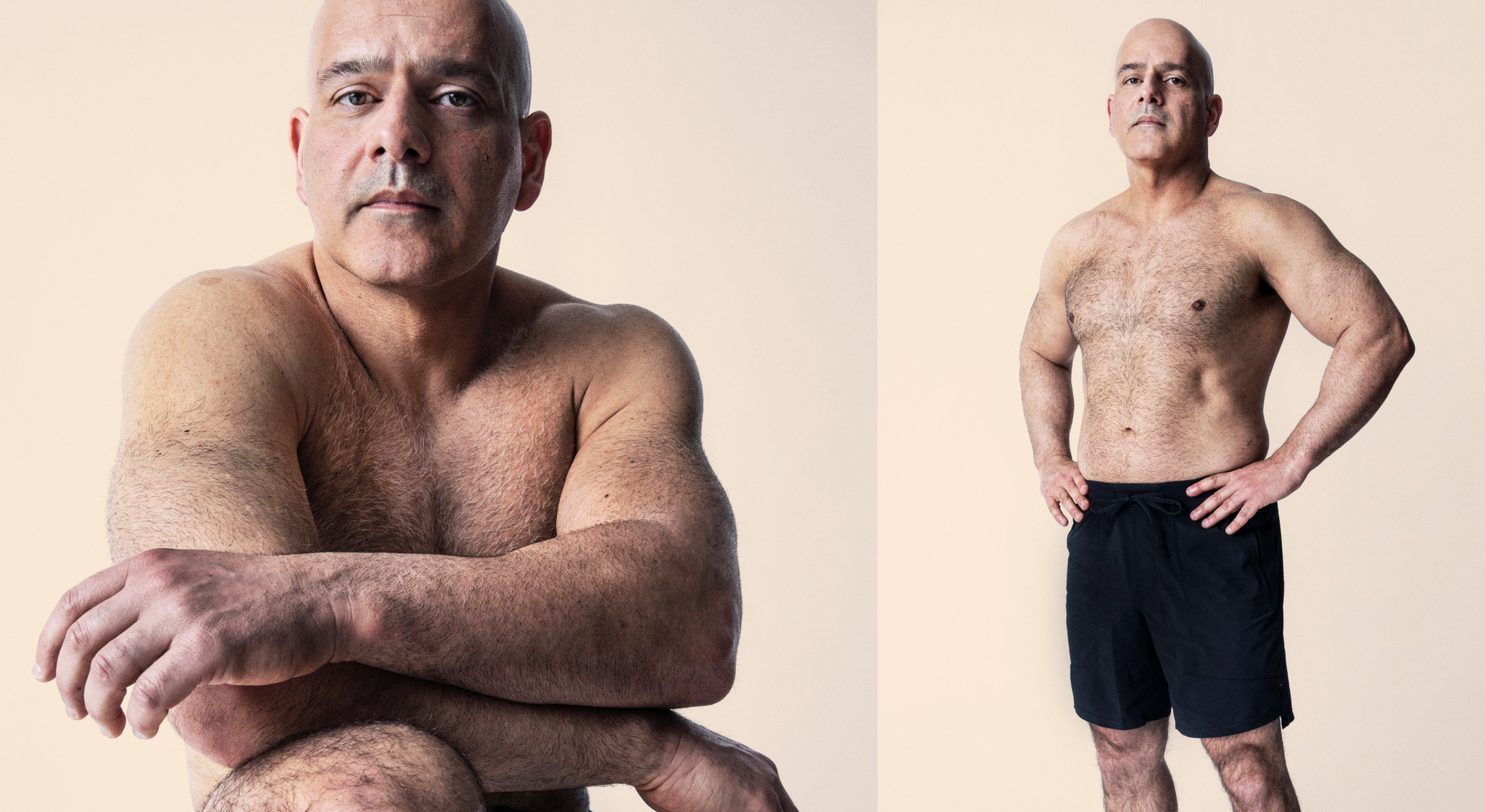
Yosi Soleimany
52, New York
Four years ago, at 48 years old, Yosi Soleimany started feeling sluggish and wasn’t gaining muscle like he used to. His wife started doing research and discovered that as men get older, their testosterone level can decline, and sometimes they need testosterone replacement therapy (TRT). That’s the first time they both heard of it.
At Soleimany’s next physical, his primary care doctor reluctantly checked his levels. It was 79 ng/dL—so low the doc initially assumed the reading was an error. Soleimany called up a buddy of his who’s a urologist. He tested him again and confirmed his levels were, in fact, in the seventies. Soleimany started taking testosterone—first as a topical gel, and now via injections three times per week at a slightly larger dose than what’s considered “replacement.” He gets blood work done every three months to monitor his levels, which currently sit around 1,400 ng/dL. He plans to continue adjusting his doses to “push the limits.”
“My wife and kids were saying, ‘the old daddy’s back,’ he recalls. “I’m not lying on the couch anymore. I have tons of energy. I get up in the morning revved up. I can lift more weights at the gym. I don’t need naps daily.” He says he’s experienced no side effects, aside from a little road rage here and there. “I feel like I’m a better husband and a better father. I’m excited to do this for the rest of my life.”
His Stack: Testosterone | Diindolylmethane (DIM) | Fish Oil | Magnesium | Multivitamin | Vitamin D | Vitamin K2 | Zinc
Interviews: Lindsay Berra, Rachel Epstein, Jocelyn Solis-Moreira, Julie Stewart
Photographs: Cory Vanderploeg
Grooming: Walton Nunez
Deputy Visual Director: Muzam Agha
Art Director: Gillian MacLeod
Features Director: Rachel Epstein
A version of this story originally appears in the Summer 2026 issue of Men’s Health.
SUBSCRIBE HERE
Read the full article here