


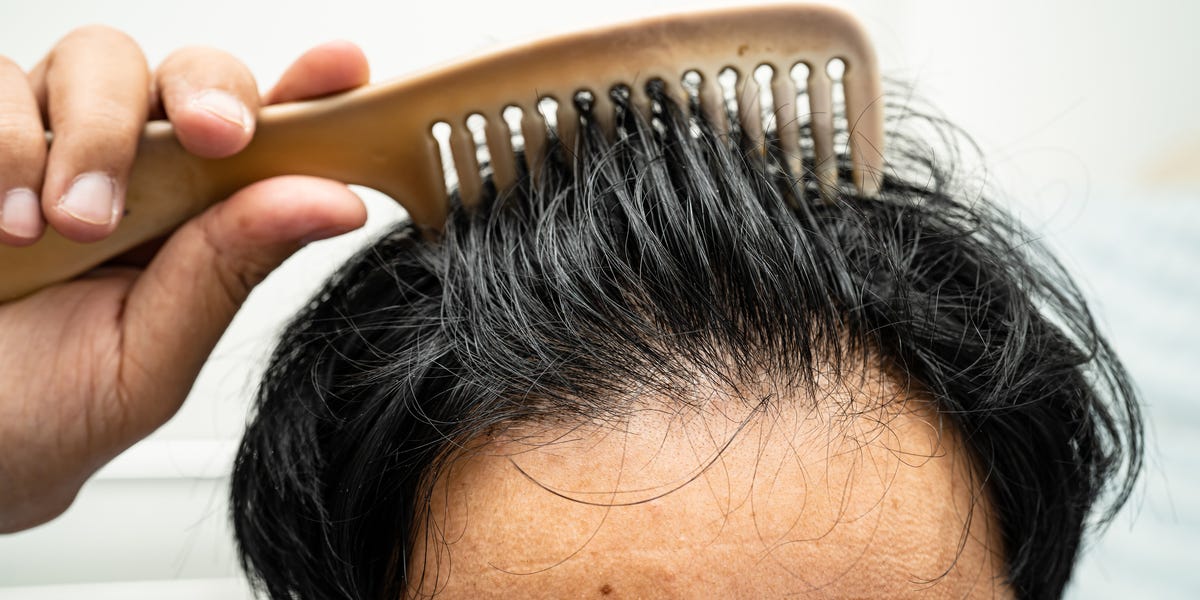
- Hair loss may be caused by several nutritional deficiencies. A combination of biotin, vitamin E, zinc, omega-3, vitamin C, vitamin A, and protein can stimulate hair growth.
- Experts warn that food helps with hair growth only when someone has a nutritional deficiency. In some instances, such as with Vitamin A, excess consumption could actually lead to hair loss.
- Dietitians recommend foods such as salmon and red meat to help maintain healthy hair.
Balding is a common issue for men with little effective treatment options. Of course, there are expensive oils, shampoos, hair masks, and even red light caps promising to bring back your luscious locks. While some products work better than others, there is a cheaper and more effective way to stimulate hair growth: food.
“More and more men are embracing an inside-out approach to grooming and self-care, and that includes eating more foods that are reported to help with hair growth,” says Kim Yawitz, RD.
Now there are a lot of factors that influence a guy’s risk of going bald. You can’t do much about age and genetics. But baldness stemming from nutritional deficiencies? That’s fixable.
“Normally, up to 10 percent of your hair follicles are dormant at any given time,” explains Yawitz. “But nutrient deficiencies can cause your hair follicles to prematurely transition out of their growth phase, resulting in a higher percentage of follicles that are dormant.” In other words, skipping out on certain nutrients can make your hair grow slower or increase the likelihood of hair loss.
Want to grow—or keep—your thick, healthy hair? Below, MH consulted with several dietitians and hair loss experts on the best nutrient-dense foods for slowing down hair loss.
7 Nutrients Important for Hair Growth
SEVERAL NUTRIENTS ARE important in hair growth. Some are commonly lost in restrictive diets. For example, registered dietitian Kimberly Gomer MS, RD, says that some vegans she worked with have reported hair thinning or hair loss after removing animal products from their daily diet.
Dr. Aziz Elgindi, lead hair transplant surgeon at Harley Street Hair Transplant Clinics, says the major reason for hair loss for men (and women) is crash dieting. “The body prioritizes organs that are key for survival and thus all the nutrients get sent there, leaving your hair follicles with not much ‘fuel,’ which can cause them to shed or fall out.”
With that said, Dr. Elgindi warns that foods help with hair growth only when there is a deficiency. In other words, getting extra amounts isn’t going to benefit you.
“As of now, there’s not enough evidence to know if specific foods can promote hair growth in healthy men without nutrient deficiencies,” adds Yawitz. “Fortunately, foods linked with better hair health have also been associated with other health benefits—like reduced inflammation and better gut health—so it makes sense to incorporate more of them regardless.”
Check out the seven nutrients essential for hair health.
Biotin
Also known as vitamin B7, biotin is one of the top nutrients for hair growth. “Biotin is essential for the production of keratin, a protein in hair,” explains Gomer. “However, if a person is not deficient, it probably will not help.” Along with biotin, another B vitamin called folic acid helps the body make more keratin.
Zinc
Speaking of keratin, the mineral zinc also helps in this department.
Jennifer Pallian, RD, registered dietitian at Foodess, explains that zinc is involved in hundreds of enzymatic reactions and multiple transcription factors that regulate gene expression. It plays a role in protein synthesis, cell division, hair follicle development, and follicle recovery. “Zinc deficiency has long been associated with hair loss, brittle hair, and telogen effluvium; one of the most common causes of alopecia,” Pallian explains.
Omega-3 Fatty Acids
Omega-3s are good for your brain, and your hair. Omega-3 fatty acids are essential fats that help decrease inflammation in the body, says Yawitz.
“Omega-3 fatty acids may cause hair to enter its growth phase and stay in that phase longer, thus promoting hair growth,” says registered dietitian Yelena Wheeler, MPH, RDN. Sufficient fat intake is important for healthy hair.
More broadly, Pallian says nutrients (like Omega-3s) that counter oxidative stress, support cellular repair, regulate inflammation, and maintain normal hair follicle function are important in keeping hair healthy.
Vitamin C
Reach for those citrus fruits and bell peppers. “Vitamin C is a water-soluble vitamin which has antioxidant properties that are protective of hair follicles and it is also a component in collagen production, which is vital for hair strength,” says Wheeler.
Vitamin C also helps with absorbing and using iron, a mineral Pallian says is important for DNA synthesis and cellular proliferation within rapidly dividing hair follicle cells. People with iron deficiency anemia have been associated with hair loss.
Vitamin A
Vitamin A is another winner on the follicle front. “Vitamin A is a fat-soluble vitamin that assists with cell growth and sebum production,” says Wheeler. “Having adequate sebum allows for a healthy scalp, which promotes hair growth and reduces hair loss.” Although experts warn excessive vitamin A intake, possibly from added supplementation, is linked to hair loss.
Vitamin E
Both Gomer and Yawitz say vitamin E is an antioxidant that helps prevent oxidative stress that may lead to hair loss, since it can help protect the scalp and hair follicles from damage.
“On average, vitamin E intakes in men aren’t meeting the recommended daily allowance that could support optimal hair health,” notes registered dietitian Avery Zenker, RD. The average adult needs to consume 15 milligrams of Vitamin E everyday.
Protein
Don’t overlook the importance of getting enough protein if you’re looking to bring on some hair growth.
“Protein is one of the most important because the hair shaft is primarily composed of keratin, a structural protein,” explains Pallian. “Protein deprivation has been associated with reductions in hair bulb diameter and pigmentation, as well as hair thinning and hair loss. Because hair follicles undergo rapid cell division, they require a steady supply of amino acids to support normal growth.”
15 Best Foods for Healthy Hair
Here are the 15 best foods that contain many of the nutrients above, and may help with hair loss.
Fatty Fish
Zenker recommends eating fatty fish like sardines and mackerel. They both are high in omega-3 and vitamin D which help reduce inflammation that can impair hair growth.
Kayla Farrell, RDN, at FRESH Communications, recommends at least 2 servings (or 8 ounces total) of fatty fish per week.
Salmon
Let’s take a moment to single out one of the best fatty fish for hair growth: salmon. Yawitz says most adults can meet their omega-3 fatty acid requirements just by eating two servings of salmon weekly.
“This nutrient-dense fatty fish has a combination of omega-3 fatty acids, high quality protein and vitamin D in every bite, along with B vitamins and other nutrients,” explains Farrell. “Salmon from Chile is especially beneficial in this regard as it is particularly high in omega-3s.”
You can have your salmon grilled, broiled, raw, or mixed in with scrambled eggs—a great source of biotin. (Need inspiration? Check out this delicious, chef-approved salmon recipe).
Eggs
Eggs are another standout food for hair health because they provide several key nutrients that support healthy hair growth and strength, says Farrell. In addition to being a high-quality source of protein (6 grams per egg), she adds that eggs are naturally rich in biotin, vitamin D, selenium and other B vitamins like vitamin B12. “The most recent Dietary Guidelines for Americans include eggs among the recommended, nutrient-dense protein foods.”
Bell Peppers
Red, green, yellow, or orange—whatever color you prefer, add bell peppers to your plate for a dose of extra hair-supporting nutrients.
“Peppers are high in vitamin C which acts like an antioxidant and a collagen producer which can assist with hair growth,” says Wheeler. Add them to omelets or eat them raw with a side of hummus.
Almonds
This wholesome snack is good to reach for if you’re hoping to support healthy hair.
“Almonds contain several nutrients thought to promote hair growth. Just one ounce provides nearly half of your daily vitamin E requirement, plus some B vitamins, zinc, and essential fatty acids,” says Yawitz.
Other Nuts
If almonds aren’t your thing, other sorts of nuts may help with hair growth, too. “Nuts are packed with nutrients like vitamin E, B vitamins, zinc, and essential fatty acids,” says Gomer of pistachios, almonds, and the like.
Seeds
“Like nuts, seeds are rich in vitamin E and other nutrients that may promote hair growth,” says Gomer. “Some seeds also contain omega-3s, which have been linked to hair growth.”
Two standouts are pumpkin seeds and sunflower seeds. Sunflower seeds are a great source of vitamin E, which is optimal for hair health. “Pumpkin seeds are one of the best sources of zinc. Zinc deficiency is linked to hair thinning and breakage,” Zenker explains. “Pumpkin seeds are also a good source of iron, magnesium, healthy fats, and antioxidants.”
Try snacking on pumpkin seeds or sprinkling some flax seeds onto an acai bowl or into a homemade salad dressing.
Tofu
“Tofu and other soybean products contain spermidine—a substance known for its antioxidant and anti-inflammatory properties,” says Yawitz. One older study found that the hair follicles of adults taking a spermidine-based nutritional supplement remained in their growth phase longer than those taking a placebo.
“Soy products and cruciferous vegetables have been associated with reduced hair loss and improved hair health,” adds Pallian.
Yogurt
“In addition to being a good source of protein, yogurt contains beneficial bacteria that may help promote hair growth,” says Yawitz. One study in which mice given probiotic yogurt had increased hair growth and fuller, more lustrous coats after 20–24 weeks. Important to note: this was an animal study, meaning similar results in humans are not confirmed.
“If you want to give it a try, be sure to look for products that contain live and active cultures—it’ll say it on the label,” she says.
Oysters
Men need around 8 to 12 milligrams of zinc daily for hair growth, says Yawitz. “You can get all the zinc you need in a day by eating just two medium oysters at your next dinner party.”
We don’t know about you, but you don’t need to give us an excuse to eat more oysters.
Avocados
“Avocados are rich in omega 3s and vitamin E. This antioxidant helps prevent oxidative stress that may lead to hair loss,” says Gomer. Pallian adds that avocados is also a healthy fat with loads of zinc and selenium—all associated with healthy hair growth.
Try using avocados as a side with eggs or have some guacamole as a snack or meal component. (Or use it this secret guac recipe Chipotle doesn’t want you to have).
Mangos
Wheeler recommends incorporating this tropical fruit into your diet for hair health. “Mangos are high in vitamin A which can assist with cell growth and scalp health.”
Though mangoes are delicious on their own, you don’t need to simply eat them straight. Add them to your the diet by making smoothies, mango salsa, or as part of a fruit salad.
Beans
Gomer highlighted beans as another source of zinc. “Beans are a great source of protein, iron, zinc, and biotin, which are all essential for optimal hair health,” she says. They’re also high in protein.
Berries
Berries are some of the most antioxidant-rich foods, says Zenker. “The antioxidants in berries are believed to help combat inflammation that contributes to hair loss.” Grabbing a handful of blueberries, raspberries, blackberries, and strawberries would do the trick.
Meat
“Meat is a staple in many people’s diets and is rich in nutrients that may aid hair growth. The protein in meat aids growth and helps repair and strengthen hair follicles,” says Gomer.
Red meat in particular is rich in a type of iron that’s easy to absorb. Iron helps our red blood cells deliver oxygen to all cells in our bodies, including our hair follicles.
How Often Should Men Eat Food for Hair Growth?
THERE IS NO single, universal recommendation on how often these foods should be consumed for hair growth. Rather than relying on a particular food or eating schedule, Pallian says that healthy hair growth depends on constantly giving your body an adequate supply of essential nutrients. “Hair follicles are highly active structures that require proteins, vitamins, minerals, antioxidants, and other nutrients to support rapid cell division, normal follicle function, and the continuous growth cycle of hair.”
Pallian also emphasizes how you need a combination of nutrients to support healthy hair. “These nutrients do not work in isolation,” she says. “Many support one another’s absorption, utilization, and biological activity.” For example, vitamin C helps improve iron absorption. Amino acids, zinc, copper, vitamin A, and beta-carotene influence how iron is used in the body. Together, these nutrients help to support healthy hair growth cycles.

Erin Kenney is a Registered Dietitian, personal trainer, and CEO of Nutrition Rewired, a virtual private practice where she helps individuals achieve optimal levels of health and human performance. She takes a holistic approach and helps clients address health concerns from a root cause perspective. She works with athletes, CEO’s, fortune 100 companies, and everyday individuals looking to achieve optimal health.

Perri is a New York City-born and -based writer; she holds a bachelor’s in psychology from Columbia University and is also a culinary school graduate of the plant-based Natural Gourmet Institute, which is now the Natural Gourmet Center at the Institute of Culinary Education. Her work has appeared in the New York Post, Men’s Journal, Rolling Stone, Oprah Daily, Insider.com, Architectural Digest, Southern Living, and more. She’s probably seen Dave Matthews Band in your hometown, and she’ll never turn down a bloody mary. Learn more at VeganWhenSober.com.

Jocelyn Solis-Moreira, MS is the associate health & fitness for Men’s Health and has previously written for CNN, Scientific American, Popular Science, and National Geographic before joining the brand. When she’s not working, she’s doing circus arts or working towards the perfect pull-up.
Read the full article here