






ALMOST ALL OF the peptides sold on the gray market come with some questionable scientific data. As noted in MH’s peptide guide, a lot of health claims come from experiments that are designed poorly, work from a single lab with glaring conflicts of interest, or only feature testing in cells or animals. While preclinical studies have value, they are not a one-to-one replica of what could actually happen if the drug is injected into a living human being.
That’s what makes thymosin alpha-1 stand out. The peptide was first extracted from calf thymus in the 1970s and in the decades since has been subject to a number of studies—including human clinical trials. Scientists propose that thymosin alpha-1 mimics a natural peptide involved in modulating the immune system. Data shows that it works by enhancing antibody response and T-cell activity. Some studies suggest the peptide may also enhance the immune system’s ability to detect and destroy cancer cells before they spread, and it’s been explored as an add-on treatment alongside chemotherapy and checkpoint inhibitors.
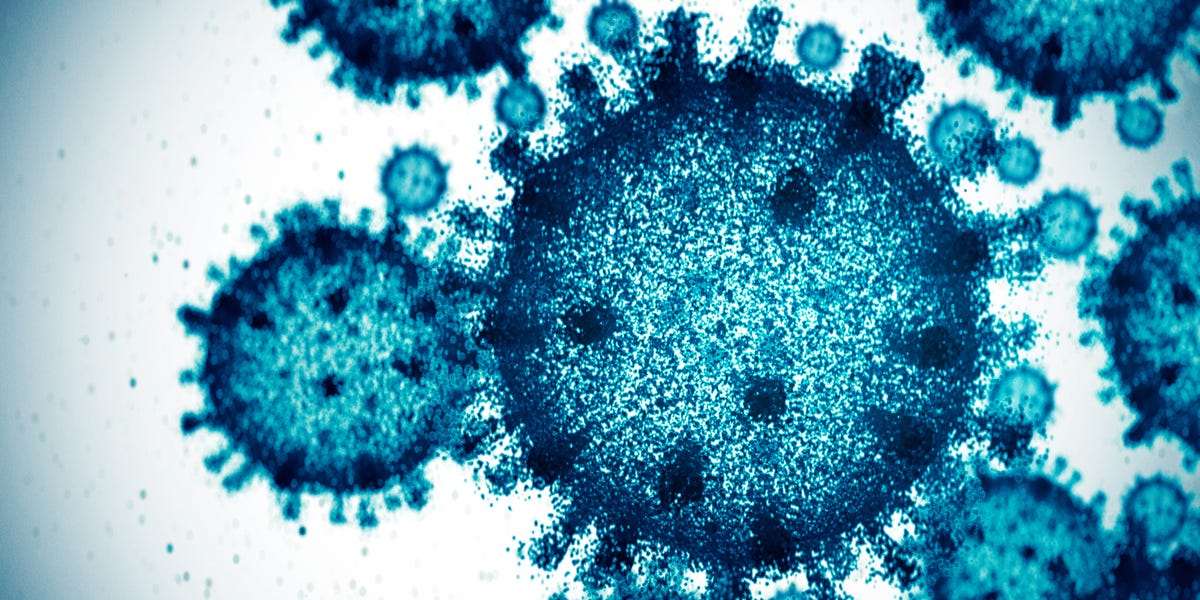
Most recently, the chatter around thymosin-alpha 1 centers around people who are immunocompromised—especially COVID long-haulers. As scientists continue to search for a cure, some are taking matters into their own hands. Anecdotal reports on Reddit reference feeling immediate results after injection. They note diminished brain fog, waking up energized, and less fatigue throughout the day. Thymosin Alpha-1 has also been shown to enhance vaccine response and help people with severe COVID possibly by repairing damage caused by inflammation.
The peptide is currently approved in over 30 countries for viral hepatitis and other immunosuppressive conditions. But it is not approved in the U.S.. In late 2023, the FDA moved 19 peptides—including thymosin alpha-1—to the Category 2 list, which means pharmacists are not allowed to use any of its ingredients for compounding. Unlike other peptides linked to cancer development or heart problems, thymosin alpha-1 has a pretty good safety record. Past studies looking at the safety of the thymosin alpha-1 peptide found the most common side effects were local irritation, discomfort, or redness at the injection site.
So what gives?
The Initial Hesitation on Thymosin Alpha-1
BACK IN 2024, the FDA reviewed whether thymosin alpha-1 should return to the Category 1 Bulk Substances List. The majority voted against it.
According to the FDA’s brief, the concern was whether the stability of the peptide would hold during manufacturing and how much the quality of the compounded product could change as a result. Also, if it had been accepted, the proposed dosage would have been 3 mg/mL. The FDA found that problematic since clinical trials only tested the peptide at 2 mg/mL.
Get the Men’s Health Ultimate Guide to Peptides
“It is possible that a more concentrated solution could lead to aggregation and therefore increased immunogenicity potential,” they noted. Since the peptide is made up of 28 amino acids, the FDA noted a potentially significant risk of an immune response against the peptide.
Right now the FDA’s official explanation for thymosin alpha-1’s place in the Category 2 list is that “the safety-related information is inadequate for the agency to sufficiently understand the extent of any safety issues raised by the proposed compounded drug.”
Thymosin Alpha-1 Up for Review in 2027?
ON FEBRUARY 2026, the FDA announced an advisory panel will review whether some of the restricted peptides should return to the Category 1 list. That’s not the same as FDA approval, but it would mean that pharmacies could compound them with a doctor’s prescription.
The advisory board is meeting for two sessions. The first session is taking place on July 23 and July 24, 2026, and will weigh evidence on seven peptides. While thymosin alpha-1 won’t be a topic for the first meeting, the peptide is expected to be brought up in a 2027 meeting.
Find more information and the latest peptide news at MH’s peptide hub.


Jocelyn Solis-Moreira, MS is the associate health & fitness for Men’s Health and has previously written for CNN, Scientific American, Popular Science, and National Geographic before joining the brand. When she’s not working, she’s doing circus arts or working towards the perfect pull-up.
Read the full article here


