


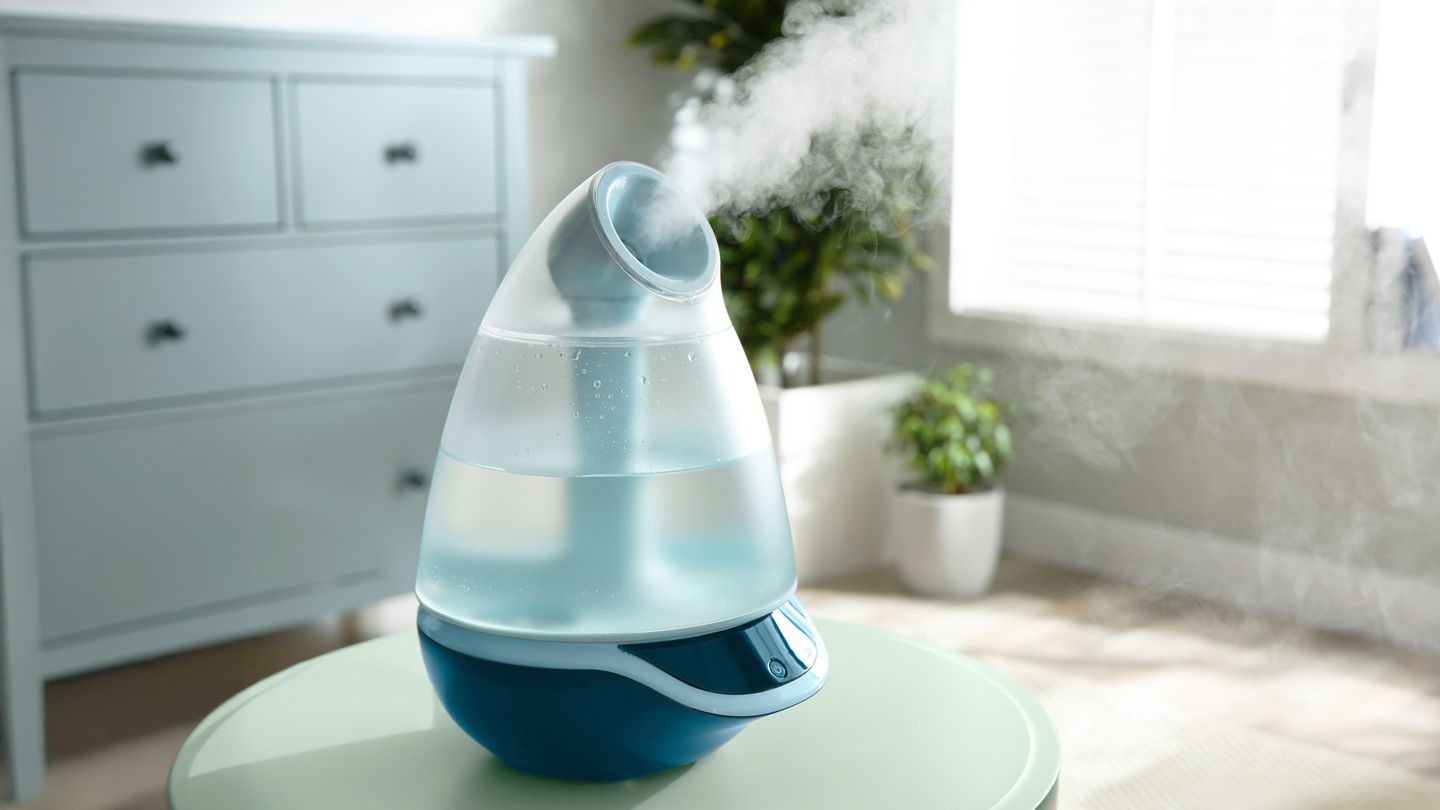
Humidifiers are devices that work by steadily releasing water vapor — either cool or warm steam — into the air, increasing the humidity levels in your home.
They can be a helpful household appliance, especially in winter months or in parts of the country with very dry air, says Andrew Bernstein, MD, a Chicago-based pediatrician.
“Furnaces, stoves, and heaters can create dry indoor air, which can lead to various discomforts and health issues. Dry air can irritate the airways. This can cause or worsen cough. It can also dry out the nasal membranes, increasing the risk of irritation and nosebleeds,” says Alicia McBride, MD, a pediatrician at NewYork-Presbyterian in Flushing, Queens, and Weill Cornell Medicine.
A humidifier in the home can:
- Moisturize nasal passageways and thin mucus buildup With a humidifier on, dry nasal passageways are moistened, loosening up mucus, and unclogging a stuffy nose, Dr. Bernstein says. This is important for little ones, too. “Babies have little nasal passageways and can’t blow their nose or clear their mucus very well, so a humidifier is important to help them breathe easily when they’re sick,” he says. You’ll also find it easier to cough up trapped phlegm, he says.
- Ease breathing and promote healing Humidifiers also aid in getting rid of dried secretions in your nose, which can help you heal from an upper respiratory infection, says John James, MD, an allergy consultant in private practice in Fort Collins, Colorado, and a spokesperson for the Asthma and Allergy Foundation of America (AAFA). “With your nose moist and humidified, your medications can work better, and you’ve got better drainage for a sinus infection, all helping you to breathe better.”
- Help with allergies in some cases If dry air is contributing to your allergy symptoms, humidifiers can help by adding moisture to the air. But increased humidity can make dust mites and mold proliferate as well, so it depends on your allergies and your triggers.
Read the full article here