


4. Hit the Pavement
Joshua Coleman, PhD, a psychologist in private practice in the San Francisco Bay Area, starts each day with a swim. “It’s the first thing I do in the morning,” he says. “It clears my head and puts the day in front of me in focus.”
A tip from Dr. Coleman: if you want to get into an a.m. exercise routine but doubt you’ll have the motivation, just get started — it’s the hardest part. He often commits to a small goal, such as 10 minutes of swimming. “It’s rare that I stop after 10 minutes, so this usually helps get me out the door,” he says.
5. Make Time for Yoga (a 15-Minute Practice Can Deliver Big Benefits)
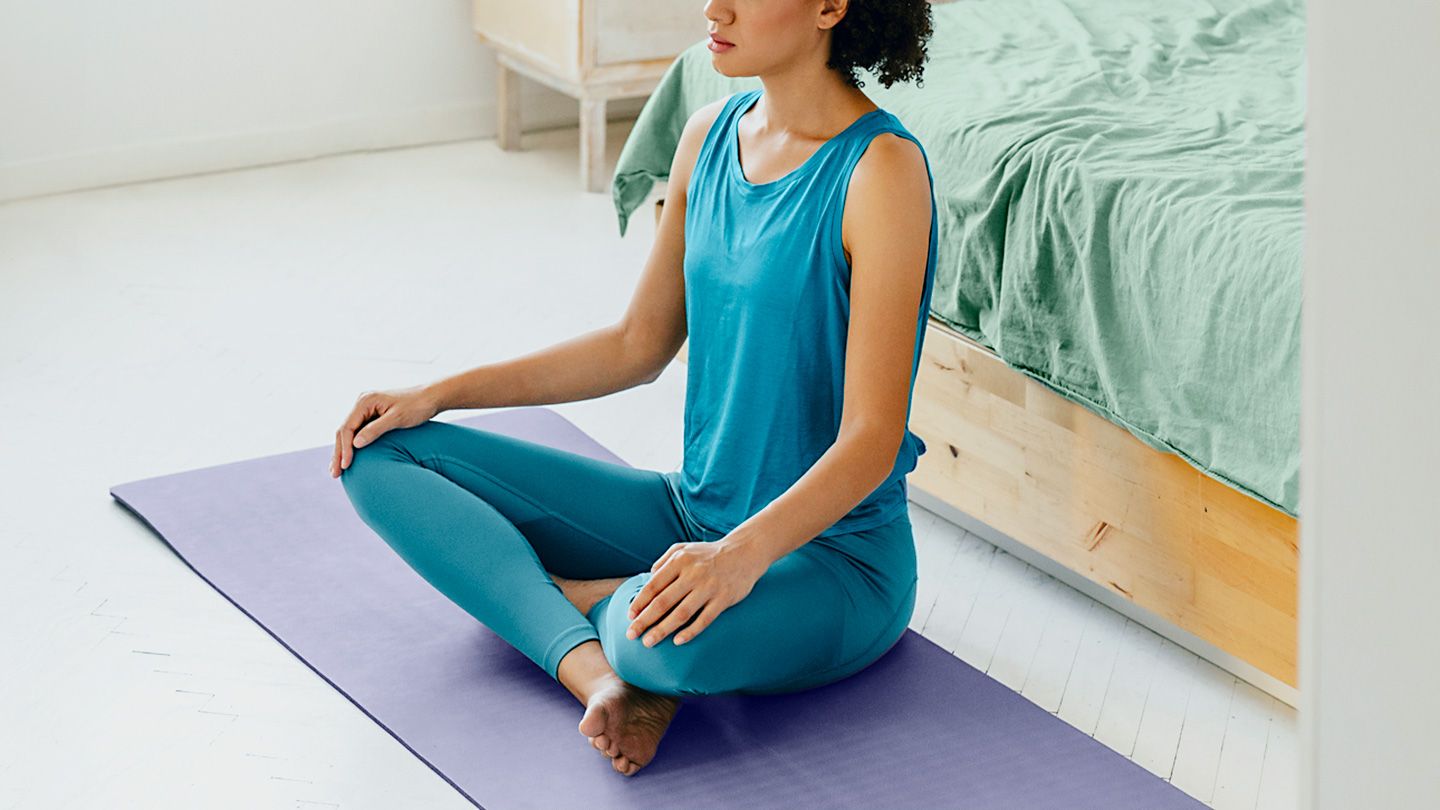
Mason says a 15-minute morning yoga practice is another routine that helps start her day off the right way. But she often finds it’s tough to get out of bed in time to fit it in. Her solution: “I put my yoga mat next to my bed [the night before], so all I have to do is roll out of my bed onto my mat.” She presses play on her favorite YouTube yoga routine, then she’s ready to go. “Doing yoga in the morning brings me peace and takes off some of the pressure the rest of the day,” she says.
6. Move in Meaningful Ways
Getting moving first thing in the morning is also important for Seth J. Gillihan, PhD, a clinical psychologist in private practice in Ardmore, Pennsylvania, and medical reviewer for Everyday Health. His morning routine includes a 15-minute core workout to help keep his back healthy, then a 20- to 30-minute walk on the nature trail near his home.
“I often have a good bit of anxiety in the morning, and getting moving and spending that time in nature can help me direct the anxious energy and find more grounding,” he says.
7. Check In
Tennyson starts her day with a self-check-in, asking herself: How am I doing? How am I feeling? Am I trying to override certain feelings I am definitely feeling?
“Being able to recognize things like ‘I’m more irritable today’ rather than thinking ‘That person is really annoying today’ is going to impact our interactions,” she says. It can be difficult to recognize our own emotions, she notes, but it nearly always helps when we do.
Read the full article here