


Although it’s a common complaint, belly bloat isn’t always a bad thing. (And you certainly shouldn’t feel embarrassed if your belly is a little swollen.) In most cases, bloat is the result of extra gas in your system because you’ve swallowed air or eaten certain foods, according to the National Institute of Diabetes and Digestive and Kidney Diseases.
It’s normal to feel bloated after a big meal, but bloating that doesn’t deflate or comes with other symptoms like vomiting or fever may be cause for concern. “It could be a sign that something is out of whack with your gut health and digestion,” says Rachel Doyle, RDN, the owner of RAD Nutrition in Chicago, who focuses on gut health. The underlying cause could be a number of things, from a digestive issue or liver disease to gastritis or cancer, according to the Cleveland Clinic.
If this sounds like you, consult your doctor to find out what may be behind your symptoms.
But if your bloating is only occasional and you aren’t noticing other physical red flags, there are steps you can take to feel more comfortable. Simple diet tweaks in particular can keep the bloating at bay. It’s important to know, though, that every body is different. “A food that causes bloating for your friend might not do the same for you and vice versa,” Doyle says. “That being said, there are some common culprits.”
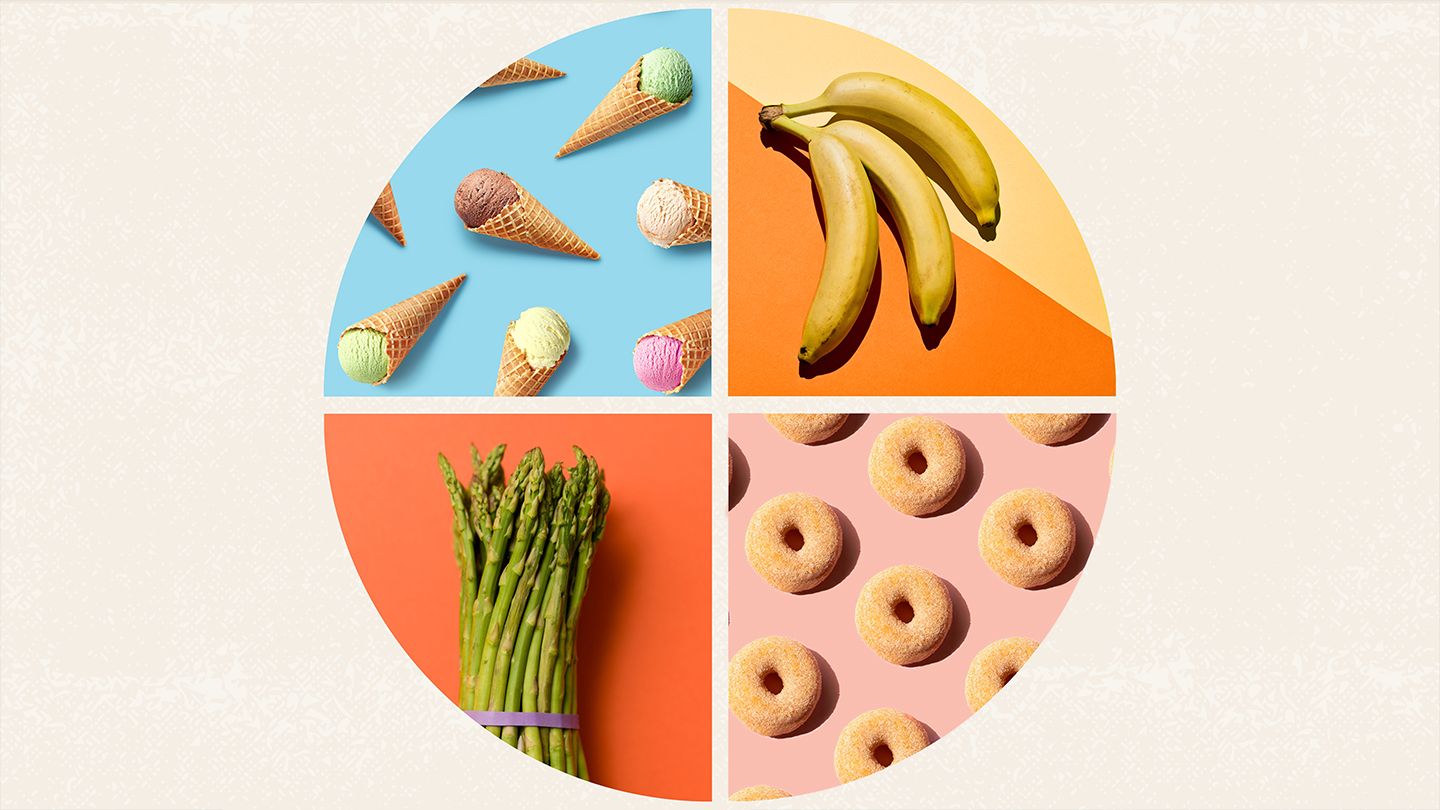
Here are six foods that may contribute to belly bloat and four that may help you avoid it.
6 Foods That Cause Bloating
Read the full article here