

Close Menu
Get on HealthyGet on Healthy
  • Home
  • Health
  • Fitness
  • Nutrition
  • Weight Management
  • Workouts
  • Gear
  • More Articles
Trending

9 Reasons You Have No Energy

April 25, 2026

Why Decluttering Is Important for Self-Care and Wellness

April 25, 2026

Definition, How It Affects Your Health, and How to Achieve It

April 25, 2026
Facebook X (Twitter) Instagram
Get on HealthyGet on Healthy
  • Privacy
  • Terms
  • Contact
Facebook X (Twitter) Instagram
SUBSCRIBE
  • Home
  • Health
  • Fitness
  • Nutrition
  • Weight Management
  • Workouts
  • Gear
  • More Articles
Get on HealthyGet on Healthy
  • Health
  • Fitness
  • Nutrition
  • Weight Management
  • Workouts
  • Gear
Home»Health»Why Decluttering Is Important for Self-Care and Wellness
Health

Why Decluttering Is Important for Self-Care and Wellness

News RoomBy News RoomApril 25, 2026No Comments5 Mins Read
Facebook Twitter Pinterest LinkedIn Tumblr WhatsApp Telegram Email

Clutter at Home May Lower Happiness and Make Us Feel Less Secure

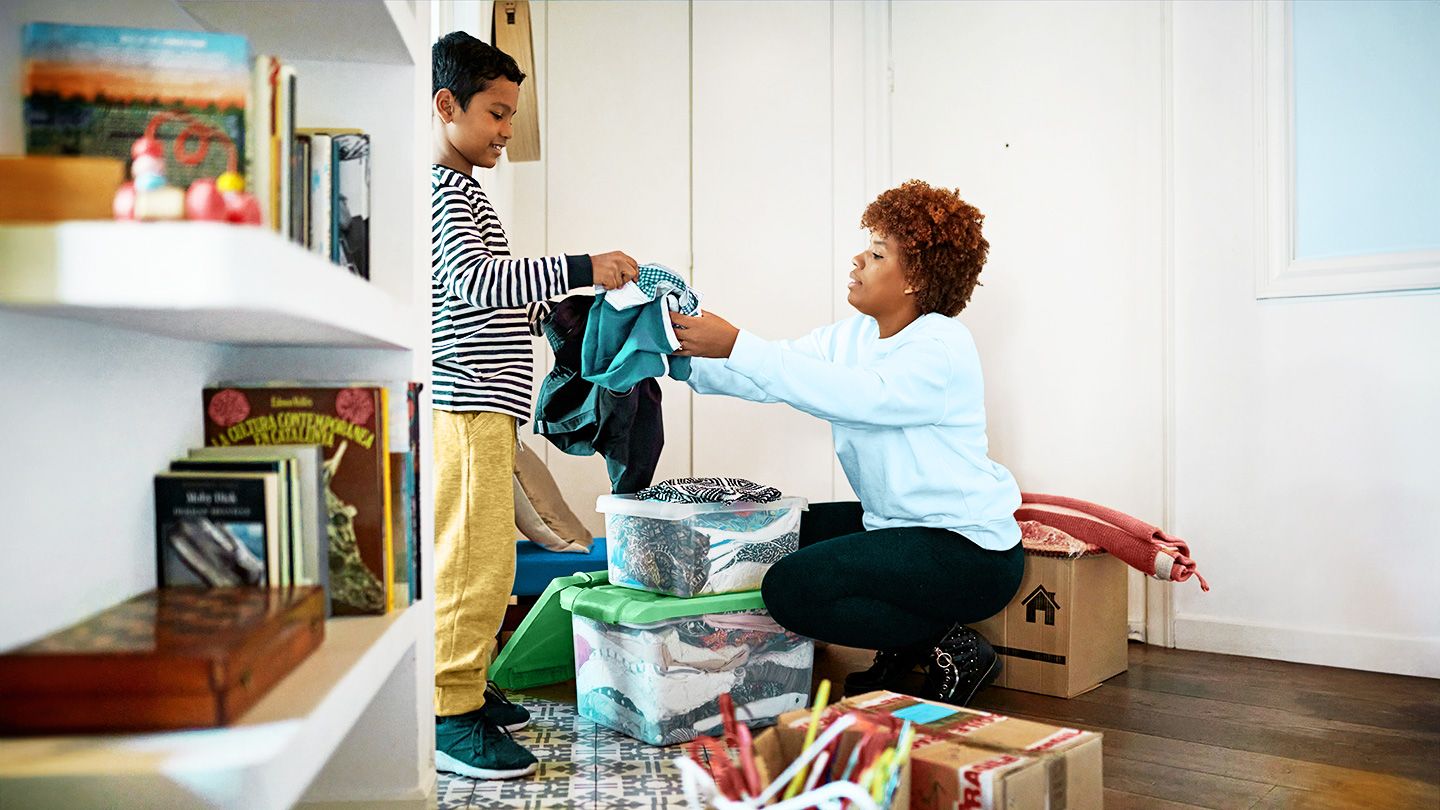
Of course, the office isn’t the only place you’ll find clutter. Clutter in the home can negatively impact your life as well. In another paper that includes Ferrari and Roster as authors, survey responses from adults in the United States and Canada revealed that clutter can have a negative effect on subjective well-being and happiness. Though “home” is typically considered a safe and secure place, clutter compromises some of that security, according to the survey responses.

“When there’s lots of clutter, you lose control over your physical environment, which is very defeating and can bring on stress, depression, or anxiety,” Roster says.

Indeed, one study examined how family members talked about their living environments in the Los Angeles area. Women who described their homes as being more cluttered had increased levels of the stress hormone cortisol and greater depressed mood throughout the day compared with women who described their homes as more restful and restorative. (Men did not experience the same stress or mood disruptions based on their home environment; researchers suggested that women may feel a higher level of responsibility for the home.) It’s important to note that the causal relationship of the results is unclear: They could be because clutter leads to higher stress, stress from external factors leads to more clutter, or a mix of both.

Clutter Can Be a Safety Hazard

Clutter can also be a safety hazard if there are items or wires on the floor that someone can trip over, or a health hazard if your piles of stuff have become magnets for dust or bugs. In addition, clutter can become a source of tension or friction between people in the same household — especially if they have different ideas about what’s acceptable when it comes to tidiness.

Even your social life can be affected, if it gets to the point of embarrassment where you won’t have people over, Roster says.

Finally, there’s even some evidence that, over time, being in a cluttered space could affect your eating habits: A study found that participants who spent time in a chaotic, messy kitchen ate more provided cookies than those in a neater kitchen. However, the study also found that recalling a time the participants felt in control caused them to eat fewer cookies in the messy kitchen, suggesting that mindset can mediate cravings in a chaotic space.

What Amount of Decluttering Helps Anxiety and Well-Being? It’s Different for All of Us

If clutter contributes to stress, can decluttering and organizing the environment around you relieve that stress and improve your sense of well-being? Yes, but know that we all differ when it comes to what’s an acceptable amount of clutter.

“Clutter is ‘in the eye of the beholder,’ in the sense that some clutter might perturb some people and be totally fine for others,” explains Darby Saxbe, PhD, a professor of psychology at the University of Southern California in Los Angeles. Her research focuses on how family and home environments affect our bodies and health, and she was the lead author on the previously mentioned study that looked at the relationship between cortisol levels and the extent to which women described their homes as “cluttered.”

According to Roster: “Clutter is a spectrum — some people with extreme amounts of clutter may think they don’t have a problem with it at all, while others can be quite distressed by it when there really isn’t much there.”

Making an effort to declutter can make you feel as if a weight has been lifted. No matter what you physically count as “clutter,” whatever is there is a constant visual reminder of things that need to be done, Dr. Saxbe explains. “Decluttering allows you to cross things off the to-do list, which gives you a sense of accomplishment. Removing clutter also takes away visual interruptions. It’s an easy way to cleanse the palate and have a fresh start.”

Paring down and getting organized also promotes greater productivity, a sense of order, and feelings of self-efficacy, as well as improving your mood. Looked at another way, tidying up, putting things away, and getting rid of piles of unnecessary stuff is a way of “managing symbolic pollution,” researchers concluded in one analysis.

When Decluttering Is Self-Care, and When It Isn’t

Of course, you can take anything to an extreme level, so if decluttering becomes an obsession or you become super strict about having everything in a specific place, you can go overboard. As Saxbe says, “If decluttering is keeping you from turning your attention to other things in your life, that’s not helpful or adaptive.”

In other words, it’s important to find what works for you in this realm and be flexible enough to relinquish the reins of control when appropriate (whether that’s over a weekend or special occasion or in certain places in your home or office). But it’s worth the effort to find your personal sweet spot because, in the right amount, decluttering can be good for your mental and emotional well-being in many ways.

And in that respect, decluttering can certainly be a form of self-care. (Remember self-care is everything you do to tend to your physical and emotional health in the ways you are best able to do so.)

There’s still more work to be done in the field of positive psychology to better define the potential benefits of decluttering, Roster says, adding that: “It’s a form of self-care, just as not doing it is a form of diminishing the self.”

RELATED: How to Start a Self-Care Routine You’ll Follow

Additional reporting by Moira Lawler.

Read the full article here

Share. Facebook Twitter Pinterest LinkedIn Tumblr Email

Keep Reading

9 Reasons You Have No Energy

April 25, 2026

Definition, How It Affects Your Health, and How to Achieve It

April 25, 2026

9 Conditions Your Breath Can Reveal

April 25, 2026

When Should You Get It? What Can It Show?

April 25, 2026

7 Houseplants That May Be Good for Your Health

April 25, 2026

5 Benefits and 3 Drawbacks of Home Humidifiers, and the Different Types

April 25, 2026
Add A Comment
Leave A Reply Cancel Reply

Don't Miss
Health

9 Reasons You Have No Energy

April 25, 2026

3. You’re Skipping Breakfast“Skipping breakfast can definitely contribute to low energy in the morning,” says…

Why Decluttering Is Important for Self-Care and Wellness

April 25, 2026

Definition, How It Affects Your Health, and How to Achieve It

April 25, 2026

9 Conditions Your Breath Can Reveal

April 25, 2026
Our Picks

7 Houseplants That May Be Good for Your Health

April 25, 2026

5 Benefits and 3 Drawbacks of Home Humidifiers, and the Different Types

April 25, 2026

Are ‘Natural’ Cleaning Products Really Better for Your Health?

April 24, 2026

How Your Brain Changes As You Age

April 24, 2026

Subscribe to Updates

Get on Healthy
  • Home
  • Privacy Policy
  • Terms of use
  • For Advertisers
  • Contact
2026 © Prices.com LLC. All Rights Reserved.

Type above and press Enter to search. Press Esc to cancel.