

Close Menu
Get on HealthyGet on Healthy
  • Home
  • Health
  • Fitness
  • Nutrition
  • Weight Management
  • Workouts
  • Gear
  • More Articles
Trending

Can Artificial Sweeteners Help With Weight Loss?

April 21, 2026

Dark Chocolate Compound May Slow the Aging Process

April 21, 2026

Reviews, Cost, Foods, and More

April 21, 2026
Facebook X (Twitter) Instagram
Get on HealthyGet on Healthy
  • Privacy
  • Terms
  • Contact
Facebook X (Twitter) Instagram
SUBSCRIBE
  • Home
  • Health
  • Fitness
  • Nutrition
  • Weight Management
  • Workouts
  • Gear
  • More Articles
Get on HealthyGet on Healthy
  • Health
  • Fitness
  • Nutrition
  • Weight Management
  • Workouts
  • Gear
Home»Health»What Happens to Your Hands as You Age?
Health

What Happens to Your Hands as You Age?

News RoomBy News RoomApril 21, 2026No Comments3 Mins Read
Facebook Twitter Pinterest LinkedIn Tumblr WhatsApp Telegram Email
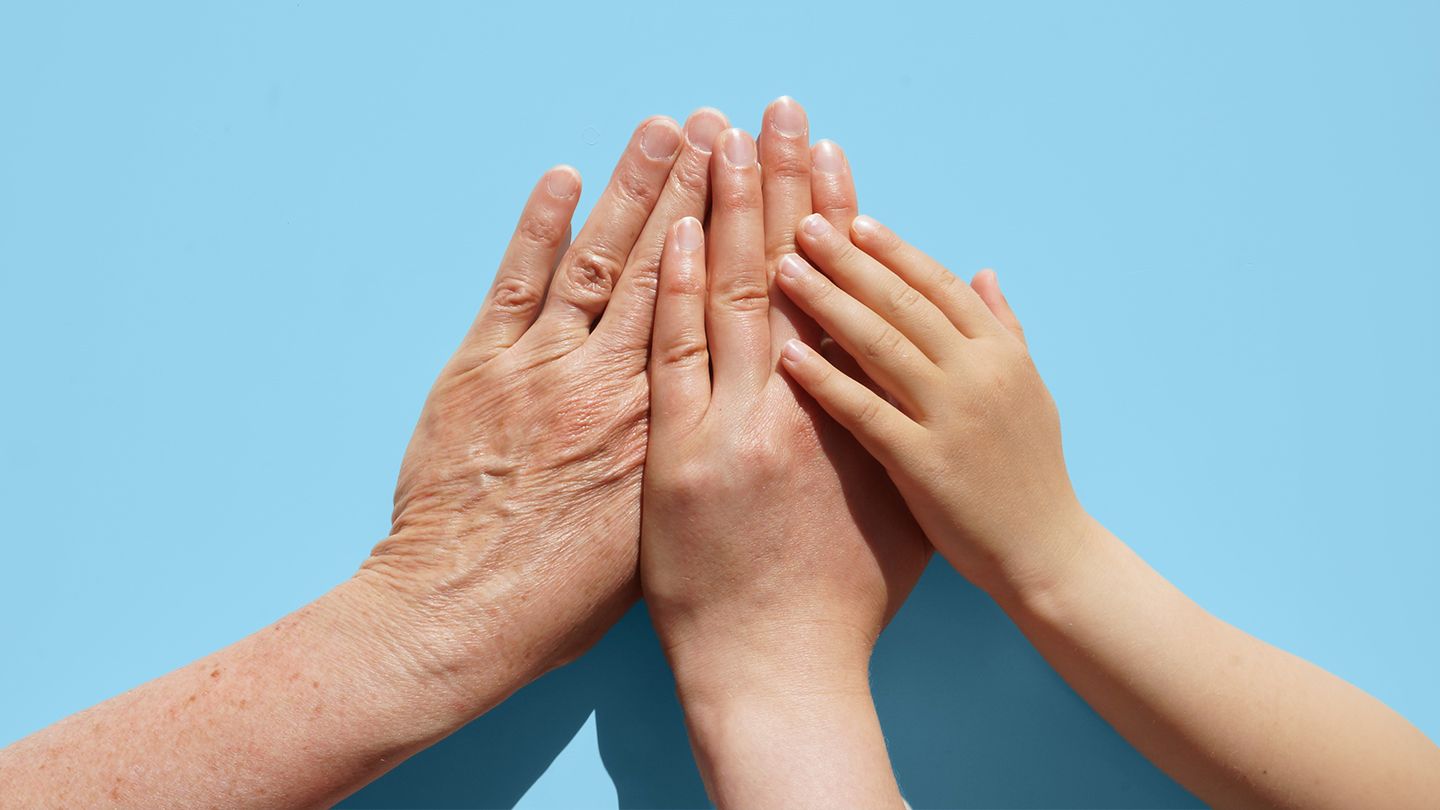
As we grow older, natural changes like lower muscle mass, thinner skin, and less flexible joints can alter how our hands look and feel. While some changes are a normal part of aging, certain chronic conditions and lifestyle habits can also impact hand health.

1. Decreased Grip Strength

Grip strength tends to decrease over time, with one large study from India finding that people 85 and older are about 12 times more likely to have weaker grips than those ages 60 to 64. What’s more, men 85 and older have a 12-fold higher likelihood of decreased grip strength than women of the same age.

Strong grip strength is associated with higher bone density in the hip and lumbar area of the spine.

 Meanwhile, decreased grip strength of the dominant hand is associated with lower quality of life, including lower scores in social relationships and environmental factors like living conditions, according to a large study of 1,446 older adults in Poland.

 This doesn’t mean weak hands necessarily cause other underlying conditions or lower quality of life (or vice versa).

2. Thinner, More Fragile Skin

With age, your skin becomes less elastic, and the subcutaneous fat beneath it thins, says Tyler Pidgeon, MD, an associate professor of orthopedic surgery at Duke University School of Medicine in Apex, North Carolina.

“This makes the structures under the skin, like veins, tendons, and bones, more noticeable,” adds Dr. Pidgeon. “The skin also becomes more fragile and prone to tears and bruising.”

You may notice thinning skin on your hands, particularly the backs, says Daniel Baumstark, DPT, a physical therapist based in Washington, DC, who specializes in hand therapy. This is caused by age-related loss of collagen in the deeper layers of the skin and thinning of the outer layer of skin, compounded by exposure to the sun.

“Thinning skin on the hands increases medical risk by reducing barrier function, making the skin more susceptible to trauma, bruising, and delayed wound healing,” says Lycia Thornburg, MD, a board-certified dermatologist at Rapid City Medical Center in Rapid City, South Dakota.

3. Lowered Dexterity

Aging reduces the nimbleness of your hands, making movements less precise, explains Pidgeon. “Joints wear out over time, resulting in arthritis; this may reduce motion in the fingers and cause swelling and pain,” says Pidgeon.

There may also be a connection between dexterity and aging. A study of 20 participants suggested that lower hand dexterity was associated with markers for neuroinflammation and fine motor skills.

4. Less-Elastic Ligaments and Tendons

“Our ligaments and tendons become more brittle as we age, which makes them more liable to experience tendinitis, sprains, and morning stiffness,” says Pidgeon. “Like a set of tires with 60,000 miles on them, our joints, ligaments, tendons, and bones experience wear through many cycles of use.”

Heavy use of the hands over a long period of time can also result in repetitive injuries, adds Pidgeon.

5. Discoloration and Wrinkling

“Sun exposure can accelerate hand aging due to negative effects on the skin,” says Pidgeon. “This might include discoloration, wrinkling, and thinning of the skin.”

“Abnormal changes may present as red, rough, scaly patches with variable thickening, which can be a cause for concern,” says Dr. Thornburg. She recommends that you see your doctor or dermatologist about any sudden changes in coloration, especially if the areas are painful or growing.

Read the full article here

Share. Facebook Twitter Pinterest LinkedIn Tumblr Email

Keep Reading

Dark Chocolate Compound May Slow the Aging Process

April 21, 2026

What Causes Swollen Ankles?

April 21, 2026

How to Keep Your Immune System Healthy: 8 Tips

April 21, 2026

5 Ways to Prevent Age-Related Memory Loss

April 21, 2026

High-Fat Cheese Could Be Good for Your Brain

April 21, 2026

8 Questions Your Doctor Wants You to Ask at Each Visit

April 21, 2026
Add A Comment
Leave A Reply Cancel Reply

Don't Miss
Weight Management

Can Artificial Sweeteners Help With Weight Loss?

April 21, 2026

When saccharin, the first artificial sweetener, was discovered in 1879, it was considered a boon…

Dark Chocolate Compound May Slow the Aging Process

April 21, 2026

Reviews, Cost, Foods, and More

April 21, 2026

What Happens to Your Hands as You Age?

April 21, 2026
Our Picks

What Causes Swollen Ankles?

April 21, 2026

11 Best and Worst Foods for Boosting Metabolism

April 21, 2026

How to Keep Your Immune System Healthy: 8 Tips

April 21, 2026

The 7 Biggest Myths About Calories

April 21, 2026

Subscribe to Updates

Get on Healthy
  • Home
  • Privacy Policy
  • Terms of use
  • For Advertisers
  • Contact
2026 © Prices.com LLC. All Rights Reserved.

Type above and press Enter to search. Press Esc to cancel.