









Welcome to Trail Tested, a new monthly column from entrepreneur and athlete Jack Espy as he trains for the grueling Leadville 100 ultramarathon this August. Trail Tested will follow Jack along his journey to do his first 100-miler to see what his body is capable of and what his mind can endure. Throughout his training he’ll be giving us a rundown of gear he’s been putting to the limit.
HYDRATION IS A crucial factor for anything longer than a 5k, and that’s intensely magnified for a 100-mile race. And there’s really no way to know what you’ll want on your person except by putting in some seriously long miles.
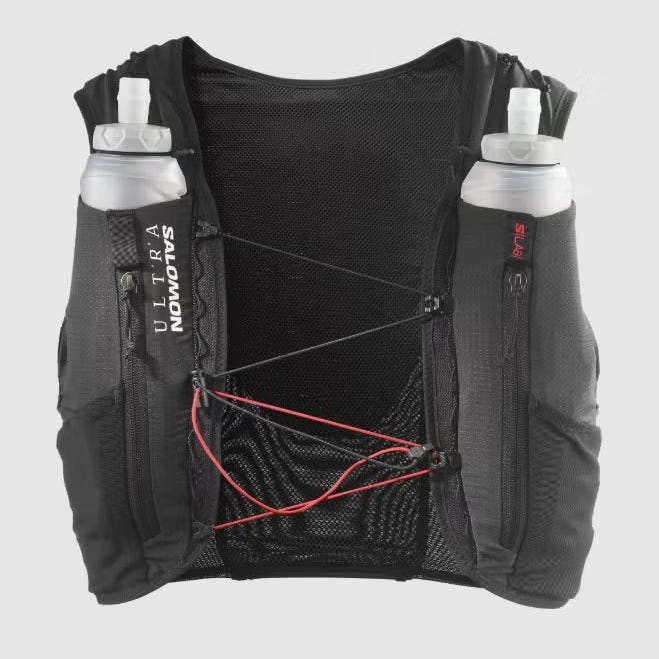
I’ve been doing just that with my training, and trying lots of different setups and methods for long training runs and races. What I’ve found is a capable, adaptable, and versatile hydration vest in the Salomon S/Lab Ultra 12 Vest. And it might just be the foundation of my race day kit.
How I’ve Tested the Ultra Vest
I’ve logged plenty of training miles with the vest in Florida, where the heat and humidity can be brutal. I sweat heavily, and the Ultra breathes exceptionally well, sheds moisture quickly, and remains surprisingly comfortable even during hot and humid runs.
But the biggest test of the Ultra yet has been during my longest run to date, the Collegiate Peaks 50 Miler in Buena Vista, Colo. at the beginning of May. This race features strict cutoffs with six hours for the first 25 mile loop and 12 hours for the full 50 miles, so efficiency is everything. A vest that’s lightweight and streamlined (the Ultra weighs just seven ounces) was critical, while still being able to carry all the fuel and gear required for a long day in the mountains.
Throughout the race, I carried roughly 20 gels, two bars, five Honey Stinger waffles, and two 750mL flasks for water and electrolytes. I also packed an extra hat, shirt, and windbreaker in anticipation of changing weather conditions over the course of the day. The vest handled everything with ease and never felt overloaded.
With 7,500 feet of climbing and 7,500 feet of descending, poles were also a necessity. So I paired the vest with the Salomon Custom Ultra Quiver and mounted it on the back of the pack. This setup was an absolute game changer. The poles stayed secure with zero bouncing or rattling, and I could quickly deploy or stow them without taking off the vest. During long climbs, that efficiency saves both time and energy.
Fit and Performance


The author mid-descent at Collegiate Peaks.
One of the standout features is the fit of the Ultra Vest. I’m 5’10” and 175 pounds, and a size large fits me perfectly. The side pockets are easy to reach while running and hold fuel securely. Nothing bounced out, not even on steep descents. That’s a bigger deal than most people realize. I’ve tested plenty of running vests that fit well overall but have loose pockets that allow gels to fall out the moment you start bombing downhill.
The flask pockets are also excellent. The bottles stay locked in place with virtually no bouncing, and they don’t rub or bruise your rib cage like some other vests can.
The rear storage compartments provide plenty of space for additional gear: I used one pocket for a beanie and another for trash throughout the race. Accessing those pockets was slightly difficult for me, but I’m admittedly not the most flexible person. Most runners likely won’t have much trouble reaching them.
The rear zippered compartment is another highlight. It’s large enough to hold a jacket and additional fuel but not so large that it becomes bulky or sloppy while running. The overall design strikes a great balance between capacity and speed.
Watch Out for
If I had to search for a drawback, it would be that the flask sleeves are a bit snug. Sliding full flasks back into the pockets while moving can take some effort. That said, it’s a tradeoff I’ll gladly accept because loose flask pockets create bouncing, which is far more annoying over the course of a long run. Beyond that, I really don’t have any major complaints.
I’ve also spent time running in the Salomon ADV Skin 12, which is another excellent vest. The ADV Skin shines during longer adventures, self supported efforts, or races where aid stations are sparse. It simply offers more storage capacity.
For racing, however, I prefer the Ultra. It’s lighter, sleeker, and feels faster. That’s not to say you couldn’t race in the ADV Skin or even wear it at Leadville, but the Ultra has a more performance oriented feel that I personally prefer when every second counts.
I’ve also run in the Arc’teryx Norvan 7 Vest. While it offers a very secure fit, I found the storage less intuitive and the pockets harder to reach on the move. Those small differences become significant during a race when you need fuel quickly and don’t want to break your rhythm. The Arc’teryx Vest excels for shorter, faster efforts where minimal movement is the top priority. But for long distance racing, I prefer the accessibility and functionality of the Ultra.
Verdict
The Salomon Ultra Vest gets a 12 out of 10 from me. It’s lightweight, fast, comfortable, and carries everything I need without feeling bulky. It performed flawlessly during that demanding 50 mile mountain race and has been equally impressive during training runs in Florida.
I will absolutely be wearing this vest on race day. The next challenge is seeing how it performs over 100 miles, but based on my experience so far, I have zero concerns. I’ll also be using the Salomon Ultra Quiver at Leadville. Having quick access to my poles during the Collegiate Peaks 50 Miler was a huge advantage and helped me stay efficient without stopping to remove my vest.
With less than three months until the Leadville 100, I’m confident my vest setup is completely dialed in. That’s one less thing to worry about when standing on the start line in August.

More Storage Capacity

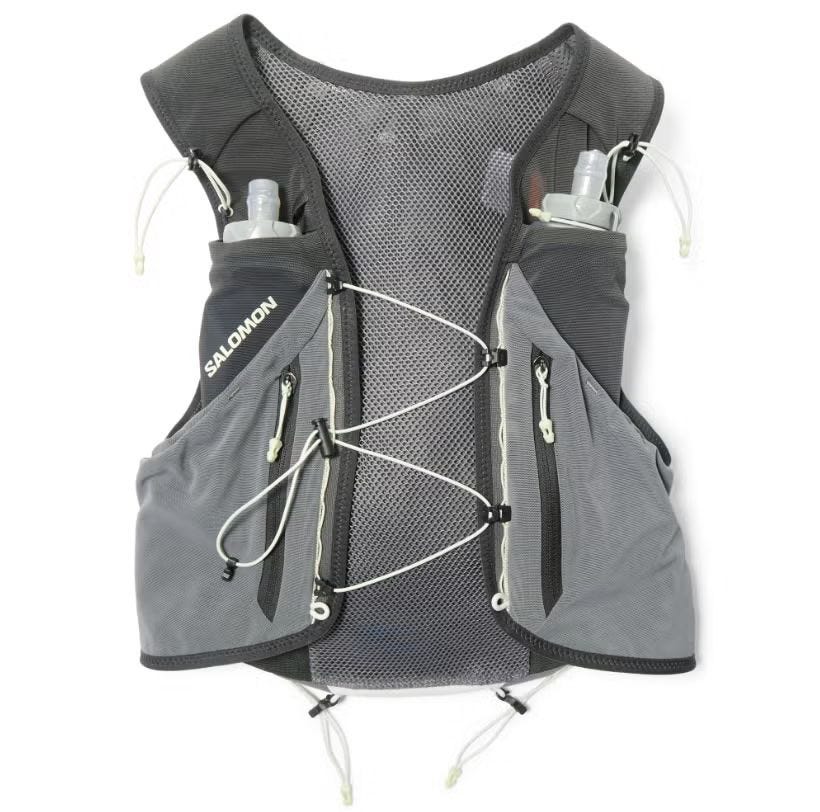
Salomon ADV Skin 12
Less Optimal Storage

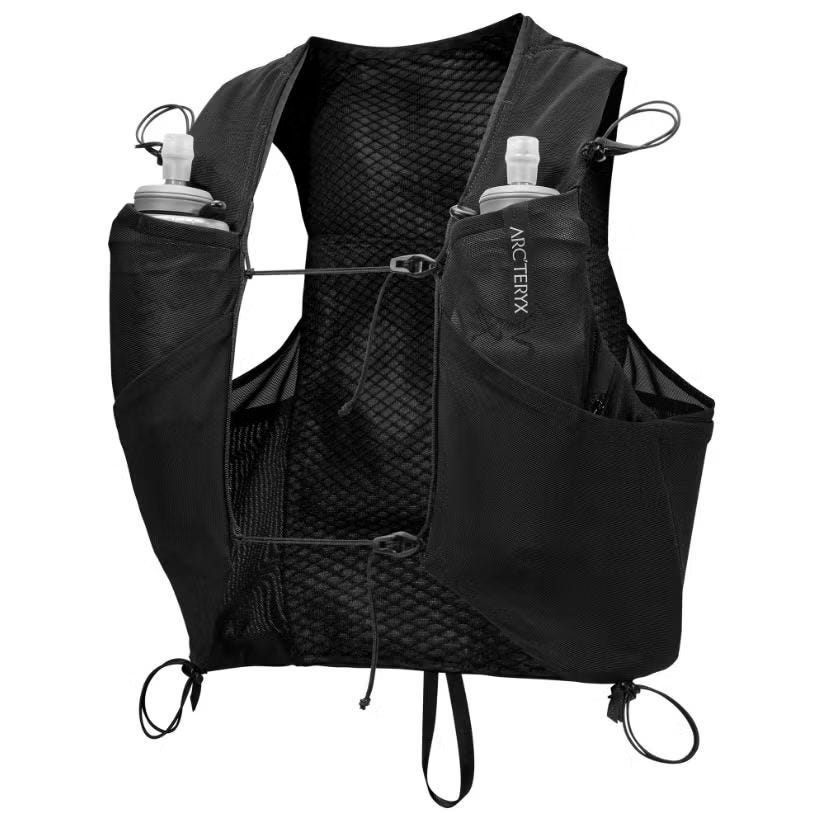
Arc’teryx Norvan 7 Vest
Critical Attachment for Poles

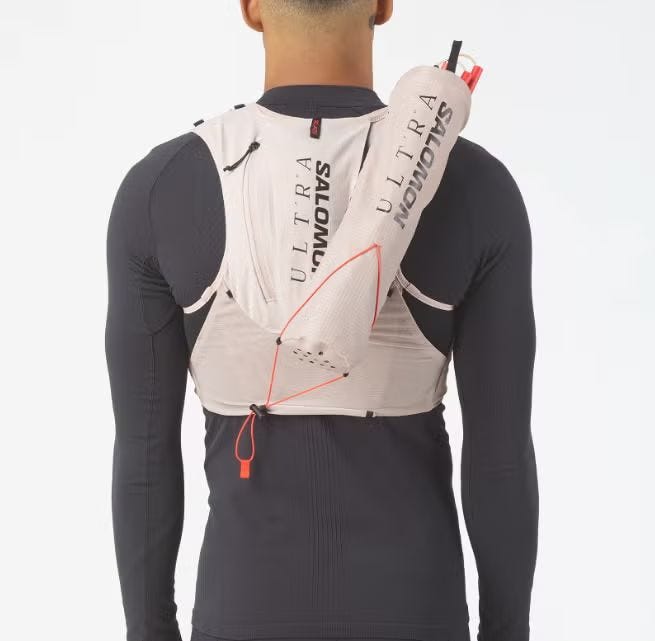
Salomon Custom Ultra Quiver
Read the full article here


