









Welcome to Testosterone HQ—Men’s Health‘s guide to the exciting, complicated, and revolutionary world of testosterone. For everything you need to know about T, click here.
SO, YOUR TESTOSTERONE needs a boost. Low T levels happen for a number of reasons from sleep deprivation and obesity to factors you can’t control like age.
If you’re having symptoms of low testosterone, you have options. First, talk to your urologist to take a testosterone test. Once you have those numbers, your doctor will likely want you to try the DIY route first. Although study results vary, men who are sedentary or overweight can get a 10 to 30 percent lift in total T by making lifestyle changes, says Bradley Anawalt, MD, endocrinologist and chief of medicine at the University of Washington Medical Center. Some people may see even greater gains. (MH has compiled the top 5 ways to naturally boost T without TRT).
Stress is especially detrimental to T, so emphasize activities that help you relax. Think meditation and yoga. Both have separately been shown to boost T in the short term. If you exercise to reduce stress, that’s a bonus. Working out regularly—combined with eating better, good sleep hygiene, and losing weight if you need to—almost always raises your T level significantly.
One thing to note: Raising your testosterone “naturally” doesn’t mean taking supplements. Every doctor we talked to was skeptical about supplements. Sure, “testosterone support” pills are all over the shelves. But look at the labels: Even the companies aren’t sure they work. Most of the carefully worded text basically says “none of this has been formally tested and this isn’t a treatment.” Jesse Mills, MD, director of the Men’s Health Clinic at UCLA Health and author of A Field Guide to Men’s Health, is pretty certain.
“We’ve done study after study. All the usual suspects. All of these have no role in improving testosterone,” he says. Even if they did, supplements aren’t regulated. Which is to say that for low T, a supplement shouldn’t be your go-to option. Plus, there are a number of prescription testosterone products that are proven to work.
Doctors like options, says Dr. Mills, because every patient is different. Each of these options has trade-offs. Here’s a simplified guide to know what prescription testosterone boosting option is right for you.
Nasal Gel

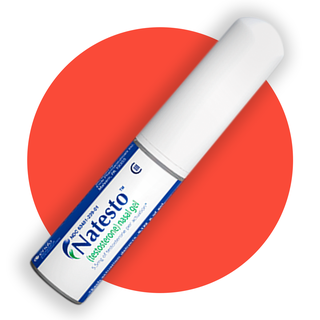
You are: Extremely concerned about your ability to make babies. Like, actually make them, not just go through the motions.
Your prescription: Natesto, a fast-absorbing intranasal gel that preliminary research suggests may not suppress sperm production, as some other forms of T therapy do.
How often you’ll take it: 3 times per day.


Pill
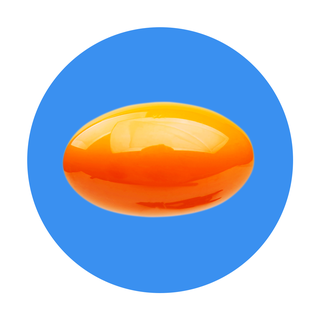
You are: Not crazy about needles and have good Rx coverage (or deep pockets).
Your prescription: A new testosterone pill, Jatenzo, the first one approved by the FDA in more than 40 years. (Another, Tlando, is getting close.) The catches: Jatenzo is expensive, and you’ll need a series of doctor visits to dial in your dosage.
How often you’ll take it: 2 times per day.
Buccal System

You are: Comfortable with the mechanism of chewing tobacco. Or a Hone customer—the service offers this delivery device.
Your prescription: A rarely used tablet called a “buccal system” (brand name: Striant) that sticks to your gum like a plug of chaw and slowly dissolves over time. And like chewing tobacco, it can eventually damage your gums and cheek.
How often you’ll take it: 2 times per day.
Topical Gel

You are: Low maintenance, with typically moderate symptoms, and probably a bachelor.
Your prescription: A super-easy-to-apply gel that you rub in, but it requires avoiding direct skin-to-skin contact with women and children at the application site. Also, it’s easy for kids to mistake it for hand sanitizer, now that that stuff is everywhere.
How often you’ll take it: Once per day.
Standard Injection
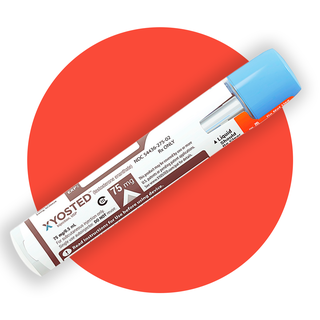
You are: Someone with a serious tolerance for frequent testing.
Your prescription: Regular intramuscular injections you can do at home, with periodic checks by a urologist or endocrinologist to adjust the dosage. If you have a tough time with needles, an auto-injector, called Xyosted, makes this as easy as an EpiPen.
How often you’ll take it: Every 1 to 2 weeks.
Microdosing
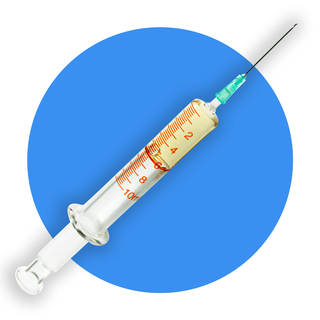
You are: A person with a high metabolism and a proclivity for experimentation.
Your prescription: Smaller doses that you’ll inject more often, letting your body maintain its T level better than with big, infrequent doses.
How often you’ll take it: 3 to 5 times per week.
Subcutaneous Pellet
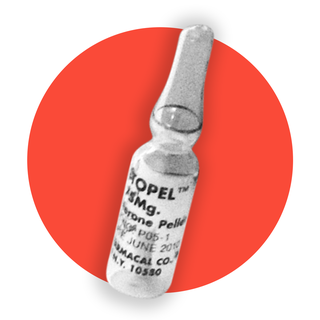
You are: Transitioning gender, or you’re busy and need the convenience.
Your prescription: A pellet inserted under the skin in a minor procedure. The tablet dissolves very slowly, keeping your T level high over a long period of time.
How often you’ll take it: Every four months.
This updated story originally appeared in the January/February 2022 issue of Men’s Health.




Kevin is a writer and editor living in Brooklyn. In past lives he’s been an economist, computer salesman, mathematician, barista, and college football equipment manager.
Read the full article here


