








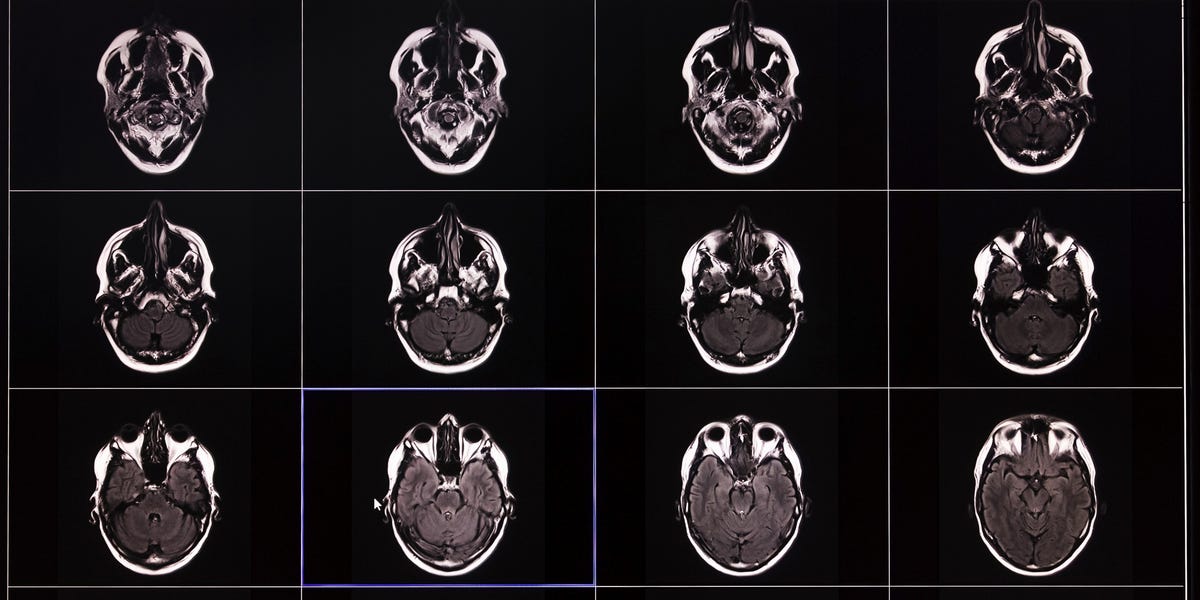
A BRAIN SCAN can tell you a lot about a person. Add in another 9,999 and you can learn a lot about a population. That’s exactly what happened when neurologists examined over 10,000 brain scans as an ongoing effort to understand why memories tend to worsen as you get older.
“By integrating data across dozens of research cohorts, we now have the most detailed picture yet of how structural changes in the brain unfold with age and how they relate to memory,” says Alvaro Pascual-Leone, MD, PhD, professor of neurology at Harvard and senior scientist at the Hinda and Arthur Marcus Institute for Aging Research. Spoiler alert: the reality is so much more different than what was previously thought. Pascual-Leone is one of the coauthors of a study published in Nature Communications challenging the current school of thought that memory loss is contained to a single place in the brain.
The target area in memory loss studies has traditionally been the hippocampus. It’s a brain site largely responsible for learning and memory. It’s also the region most studied in Alzheimer’s research, since dementia-related memory loss is often linked to hippocampal damage. But that’s only part of the story. Memory loss, the scientists who worked on this study argue, is the result of changes across the whole brain.
Why they think that: They reviewed 10,343 MRI scans and results from 13,460 memory tests from 3,737 cognitively healthy adults. Their findings showed that worsening memory as they aged was linked to shrinking tissue in multiple brain areas.
While the hippocampus had the most structural brain changes, emerging as early as a person’s late 50s, there was also significant volume loss in four other brain areas with connectivity to the hippocampus. The authors speculate that as the brain ages, neural connections to and from the hippocampus can weaken and impact the processes involved in memory and learning.
Six other brain areas associated with memory decline were in the temporal lobe, an area important in processing auditory and visual information from the outside world. The authors suggest that atrophy of these regions could mess with how visual and auditory information is later used to make or recall the details of a memory.
Everyone experiences some brain aging over time, but whether that translates to cognitive decline depends on how many areas are affected. Overall, the more areas in the brain that show shrinkage, the more accelerated a person’s memory loss tends to be—overturning the idea that memory loss is a steady and gradual decline.
“These results suggest that memory decline in aging is not just about one region or one gene—it reflects a broad biological vulnerability in brain structure that accumulates over decades,” adds Dr. Pascual-Leone. “Understanding this can help researchers identify individuals at risk early, and develop more precise and personalized interventions that support cognitive health across the lifespan and prevent cognitive disability.”
For now, do what you can to preserve your cognitive function. The brain is a muscle, and like any, it needs to be regularly worked out. That includes movement to boost blood flow to the brain and engaging your noggin through learning new things. For a more specific step-by-step guide, check out nine activities Dr. Sanjay Gupta told MH are non-negotiable for brain health.


Jocelyn Solis-Moreira, MS is the associate health & fitness for Men’s Health and has previously written for CNN, Scientific American, Popular Science, and National Geographic before joining the brand. When she’s not working, she’s doing circus arts or working towards the perfect pull-up.
Read the full article here


