








Being a veteran is a badge of honor you have for life. But veterans also face a higher risk of health challenges civilians don’t, like greater odds of developing mental health issues, traumatic brain injury, and type 2 diabetes.
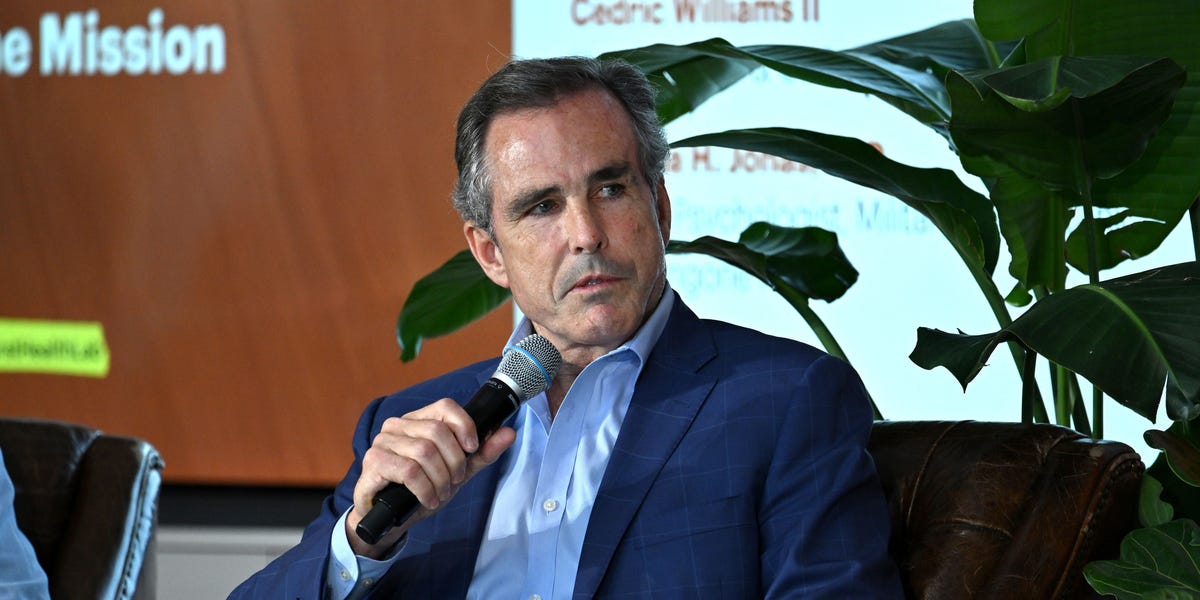
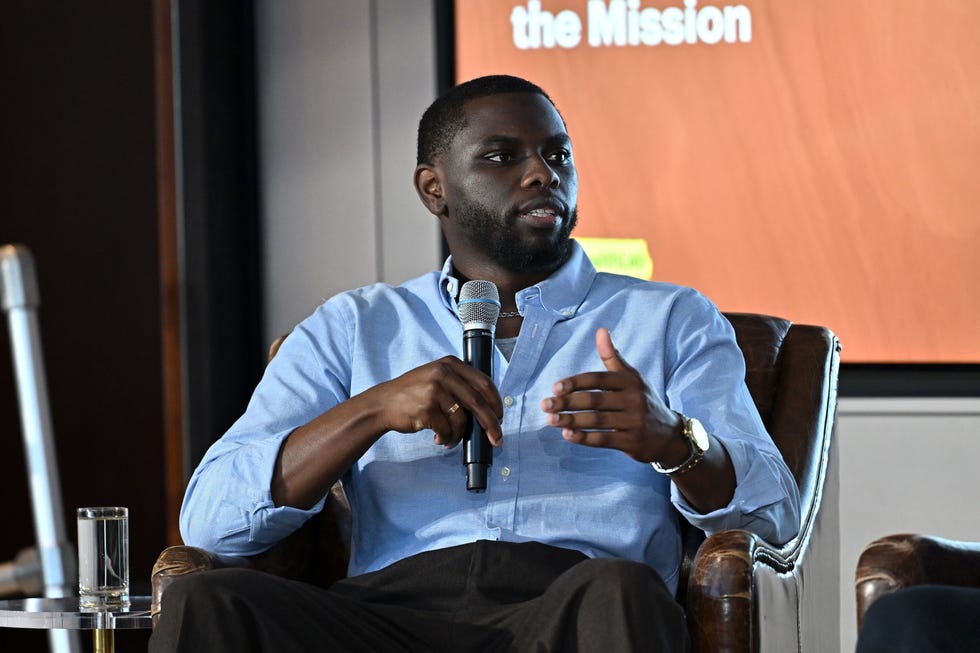
It can be a hard transition to return home after duty, and forming a new identity after service is equally challenging. That and more was the topic of a Men’s Health Lab panel called Purpose After Pressure: Life Outside the Mission. The panel was guided by US Navy SEAL, entrepreneur and award-winning journalist Kaj Larsen, and featured Bob Woodruff, ABC News correspondent and co-founder of the Bob Woodruff Foundation; Navy veteran and CEO of BlueMagnet Inc., Cedric Williams II; and Victoria H. Jonas, PhD, a clinical psychologist at NYU Langone’s Military Family Clinic.
The panel explored the challenges of being a veteran and how Hollywood tends to get the experience wrong, along with lessons on navigating adversity, change, and the search for purpose.
Being a veteran is not like ‘The Odyssey.’
In The Odyssey, Homer struggled to return home after decades of war. Once he arrived, he had to sneak back into his palace and fight off people vying to take over his kingdom before being victorious and resuming his former life.
Woodruff says this is a “dream story” about what could happen when someone comes back from war. “There are always these thoughts that we already know exactly what they went through, even though we didn’t serve,” Woodruff said. “Hollywood always gives us nothing but happy stories, you don’t really hear about the reality of it.”
Woodruff points out that veterans often transition from an “adrenaline flow experience” to their ordinary life. “You don’t really know exactly what you want to do, and the second you don’t have the chance to be with your teammates, you’re in this very large world and it’s hard to find your way,” he said. “It’s very different than the illusions of Hollywood sometimes.”
Williams said that the “silence” of returning is difficult for civilians to understand. “While civilians are lovely, they don’t understand what you went through, and there’s not really that person to talk to with that shared experience,” he said.

It’s difficult to form a new identity after service.
Williams said that he and many of his military colleagues were afraid of losing a sense of identity. “I went to the Naval Academy and then served in the Navy. And so, from day one of my little baby Navy career, there was a strong sense of identity instilled in me,” he said. “Then you’re going into a world where that doesn’t really matter anymore, and you’re a completely different person.”
Williams said he learned that he had to “start from the ground up” to build a new identity. “It’s a very tough thing to go through,” he said.
Jonas said she sees this a lot in her practice. “Being in the military, or really any highly organized, really efficient group, does a really good job of kind of breaking people down to kind of rebuild them or reshape them for the greater purpose, and it works really well,” she said. “That’s why we have really efficient organizations such as the military.”
But when people return home after service, “there’s not necessarily the opportunity to be put back together,” Jonas said. That can lead to veterans feeling disconnected from people in their lives, she said.
“That change in identity, is really hard, arduous work, but ultimately worth it,” she said.
Woodruff’s foundation aims to help service members in this transition. He created the foundation after developing a traumatic brain injury (TBI) when he was hit by an IED explosion in Iraq.
“In the beginning, it was all about TBI, and then we realized all these [injuries] that weren’t visible, and then it led to post-traumatic stress,” Woodruff said. From there, his foundation sought to help veterans with challenges in finding a job, along with stress and depression that may surface. “It’s a foundation that started on one thing, and then we moved every year to something new, the new kinds of wounds that were happening,” he said.
Finding a new sense of purpose can take time.
Williams said he learned that not avoiding conversations around his time in service is crucial. “A lot of these psychological ramifications of things that I went through linger, and it helps talking about it with my friends and family, and then also, therapy,” he said. “Other things that I’ve seen help other people that I’ve helped is just getting from that zero to one, like, just knowing where to start. A lot of people struggle to even get the ball rolling, and I find once they get the ball rolling, it opens up a lot more clarity in their mind, their state of being, of moving forward, and getting past this difficult moment.”
Relying on former service members can also be helpful, according to Williams. (He listed several former service members who helped him form his own company.)
Overall, experts say it’s important not to forget about veterans. Woodruff stressed the importance of having jobs available for veterans. “Everybody wants to come back and [start] a new mission and get a job,” he said. “It’d be great—damn good—to make some money, and also get a new team.”
Williams agrees. “I see a lot of companies that do hire the veterans. They realize they’re so disciplined, and they’ve seen the world, it’s a huge benefit to them,” he said.
The 2nd annual Men’s Health Lab was hosted by Hearst Magazines in partnership with NYU Langone Health and presented by Boehringer Ingelheim and Gilead, with special thanks to Ensure Max Protein.


Korin Miller is a freelance writer specializing in general wellness, sexual health and relationships, and lifestyle trends, with work appearing in Men’s Health, Women’s Health, Self, Glamour, and more. She has a master’s degree from American University, lives by the beach, and hopes to own a teacup pig and taco truck one day.
Read the full article here


