






SUMMER IS COMING to a close. But whether you’re a front-country weekend warrior or a hardcore backcountry camper, you still no doubt have a few camping trips lined up for the year (leaf-peeping fall road trip, anyone?). It’s never too late to take stock of your gear closet to see what’s missing, what’s busted, and what needs an upgrade.
We cover all the latest and greatest outdoor gear every year in the Men’s Health Outdoor Awards. But, in this guide, we’re covering just the greatest. To offer a wide breadth of options (since there are all different sorts of camping), we’ve broken this guide into categories of tents, sleep systems, kitchen, and general camping gear. Whether it’s all new for 2026 or it’s been around for years, these are our favorite camping and outdoor gear picks for backpacking, car camping, and everything in between—the gear that we love and pack for every trip.
Tents

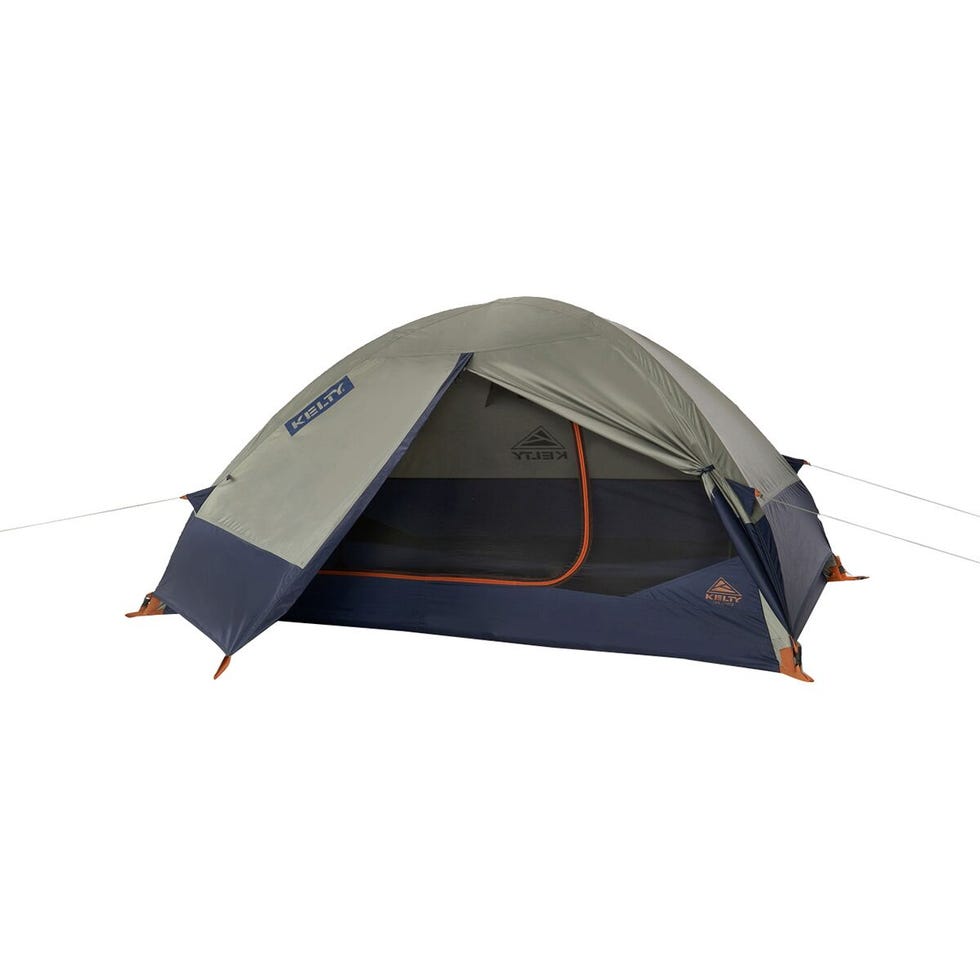
| Weight | 4 lbs 8 oz |
| Sleeps | 2 people |
| Floor Space | 29.5 square feet |
This entry-level tent strikes a good balance of pack weight, affordability, and reliability. It’s roomy enough to sleep two with a dash of gear and sets up faster than most at this price point (even with the included rainfly) for easy-breezy camping in almost any season. Bonus: A limited lifetime warranty.
Read More: Best Hiking Boots for Men

Cons
- Could be more durable


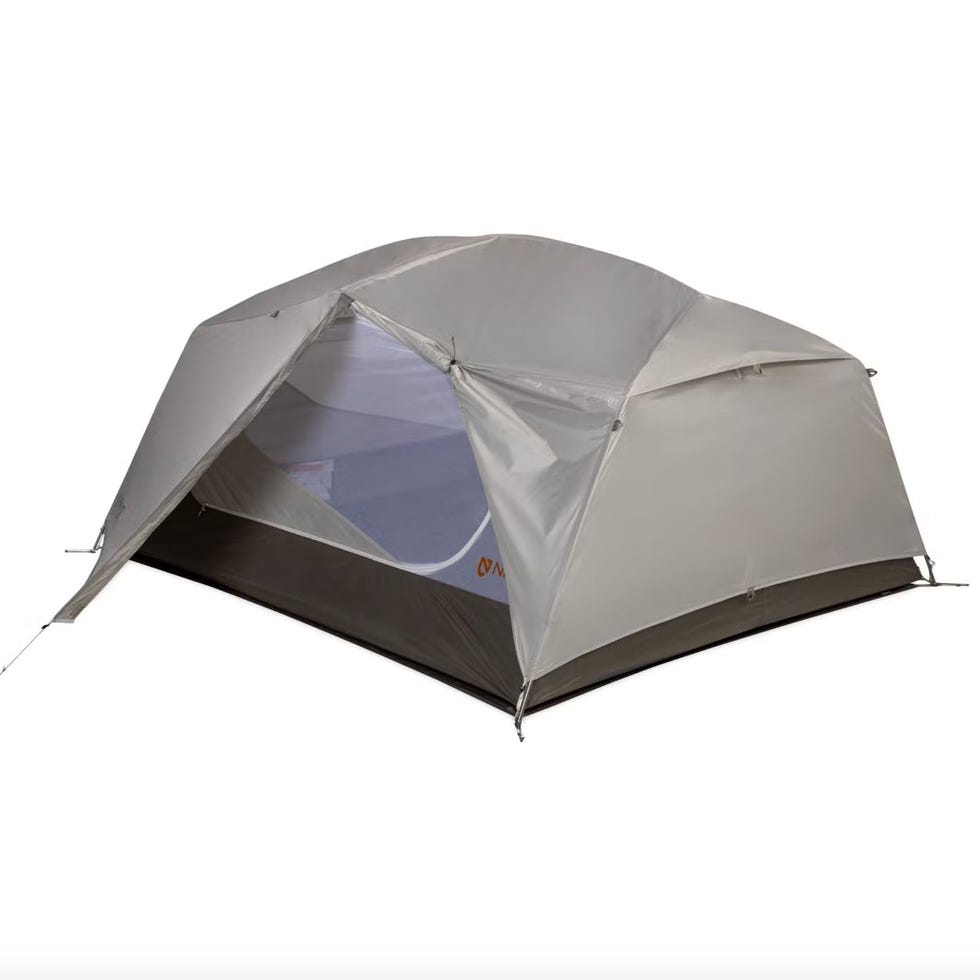
| Weight | 5 lbs 12 oz |
| Sleeps | 3 people |
| Floor Space | 44.6 square feet |
Nemo’s Aurora 3 ticks all our must-have boxes for a midrange, mid-sized tent. It sleeps three (tightly) or two who appreciate spreading out with more gear. A generously sized interior, plus oversized doors and vestibules, provides a much more livable space. We love that the hubbed pole design makes for a dead-simple setup and teardown. Plus, Nemo’s commitment to more eco-friendly gear means a bluesign-approved recycled tent floor and PFAS-free rainfly.
Read More: Do I Need Trekking Poles?

Cons
- Premium price tag
- Multiple pitch modes add complexity
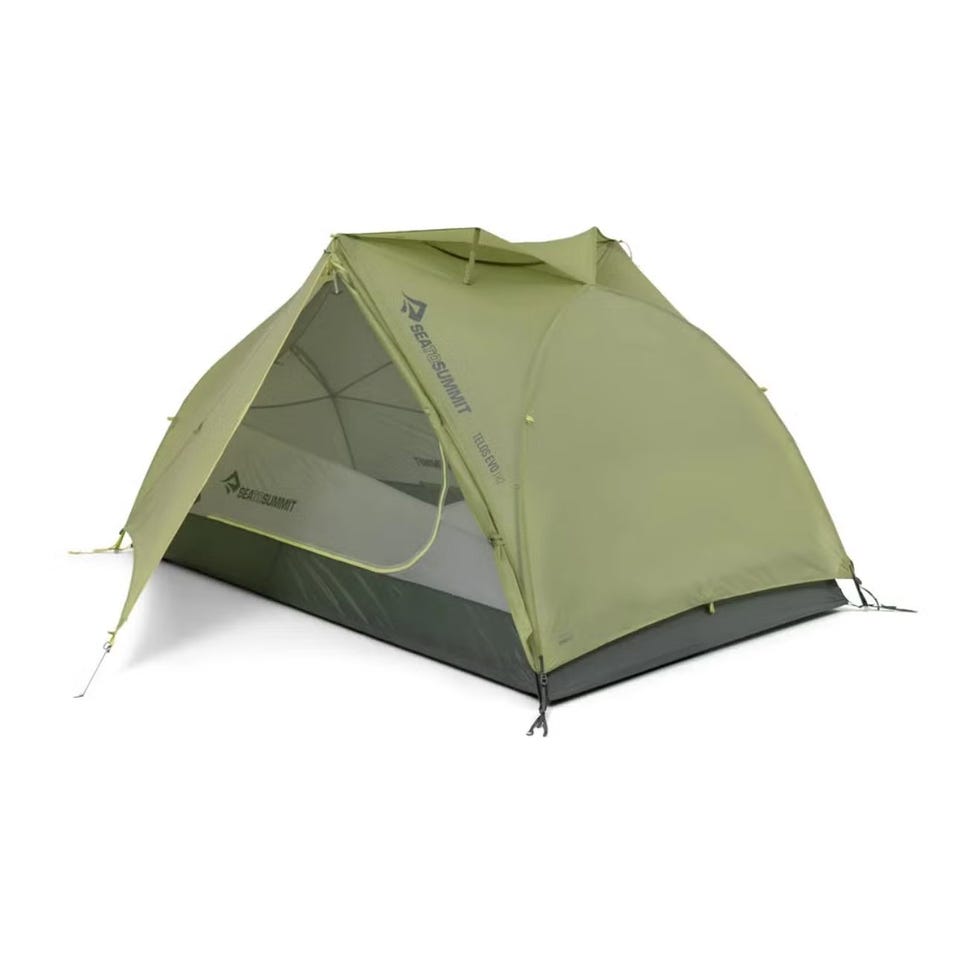
| Weight | 57.3 oz |
| Sleeps | 2 people |
| Floor Space | 28 square feet |
Redesigned for 2026, Sea to Summit upgrades its already fantastic Telos Evo tent line to be even more livable and weatherproof. A dedicated roof vent (with storm flap) promotes better airflow and reduces condensation. The versatile design also offers multiple pitch options, including hangout and stargaze modes. So it’s not only a reliable backcountry sleep space, but a day/night lounge when you need it.

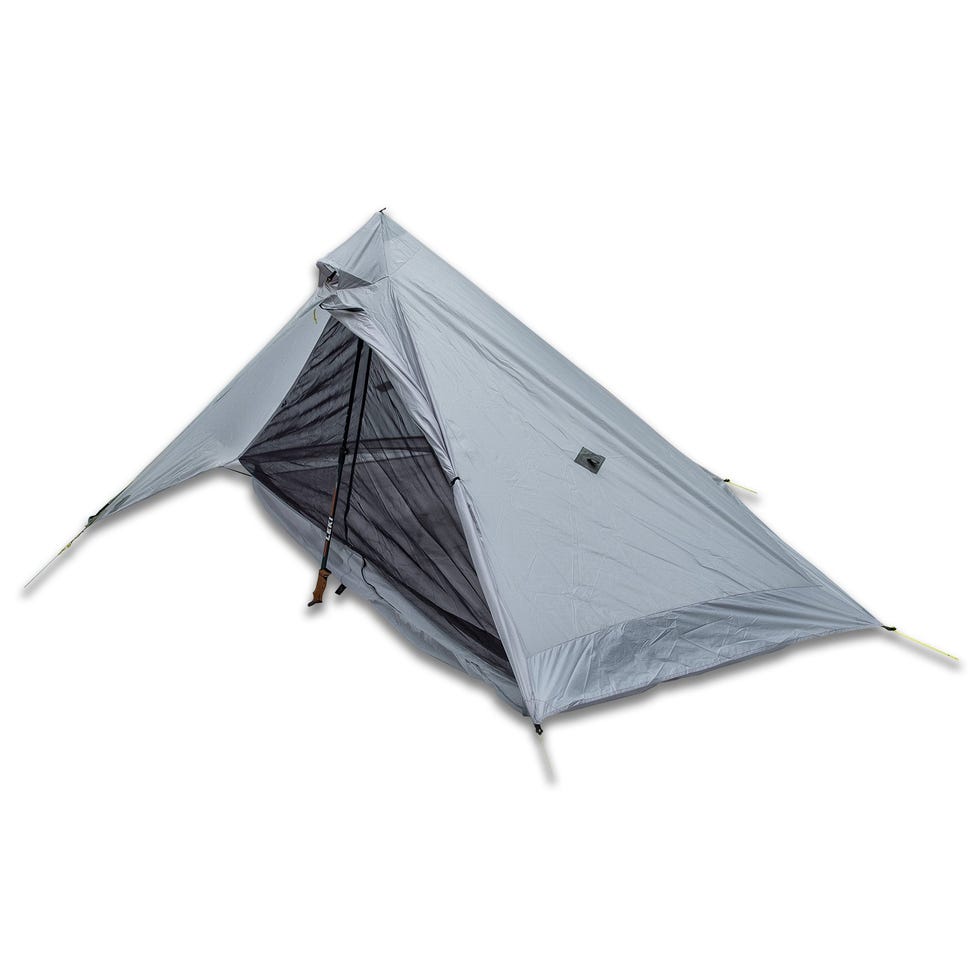
| Weight | 26.1 oz |
| Sleeps | 1 person |
| Floor Space | 26 square feet |
The Lunar Solo is a budgversatility for extra gear or your dog. Plus, it’s durable and breathable with solid ventilation. It’s not the single best in any one category, but the price makes it a great all-arounder for weight-conscious backpackers and thru-hikers on a budget. Our main gripes are the tricky setup process and the fact that it requires seam sealing before use—neither of which is deal breakers at this price point though.
Sleep Systems

Cons
- Bulkier than most
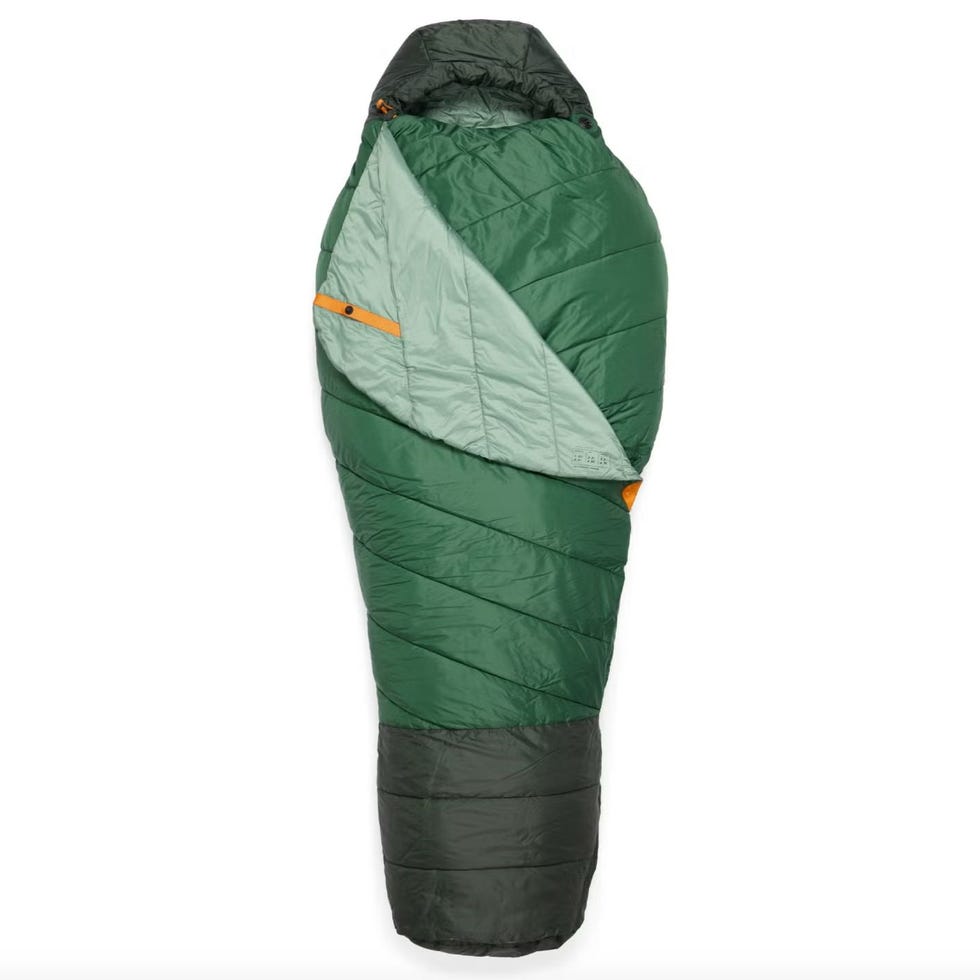
| Available Sizes | Short, regular, long |
| Weight | 2 lbs. 10.8 oz. (regular) |
| Temperature Rating | 30 degrees (F) |
| Fill | Synthetic sheet 100% recycled polyester Unicorn HL-ElixREco |
Marmot sought to reinvent the wheel, er, sleeping bag with its all-new Wraptor. The clever design swaps traditional zippers for overlapping flips and magnetic snaps, ensuring a more versatile camp sleep setup. Shed the layers in warmer weather or bundle up when the temperature drops—it’s flexible in every temperature. This same adjustability caters to sleepers who appreciate a “swaddled like a baby” mummy bag and hybrid campers looking for more room to spread out on their stomachs and sides. Also available in a 15-degree option.

Cons
- Bulkier pack size than other comparable bags
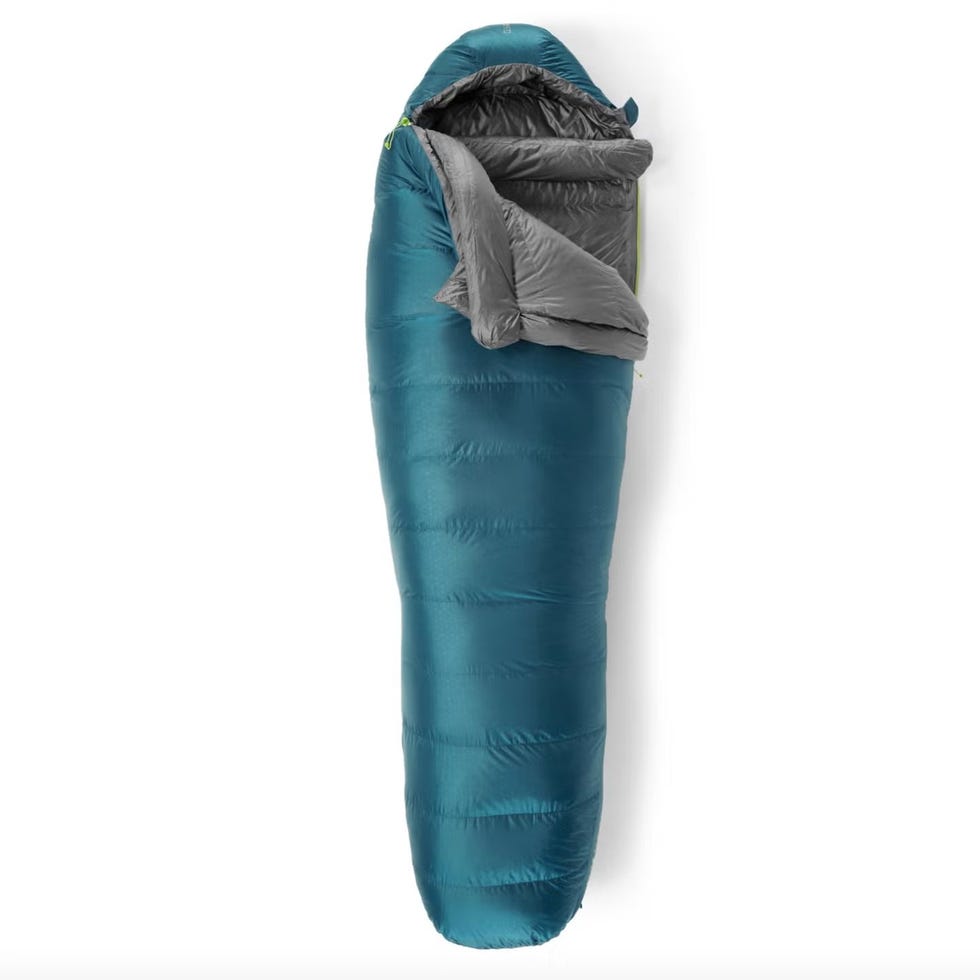
| Available Sizes | Small, medium, medium wide, long, long wide |
| Weight | 2 lbs 11.5 oz (medium) |
| Temperature Rating | 15 degrees (F) |
| Fill | 650+ cu. in./oz grey duck down, RDS certified, OEKO-TEX 100 certified |
Exped’s midrange Terra line is our go-to bag for anyone looking for real, 650-fill-power duck down that’s affordable. The 15-degree temp rating makes this a solid three-season option that’s capable of most four-season camping in all but the coldest weather. It’s comfy enough for car camping, and with a roughly 3-pound pack weight, compact enough for backpacking overnighters. The glow-in-the-dark zipper pull and internal pocket are nifty features, too.
Read More: The Best Car Camping Gear

Cons
- Expensive
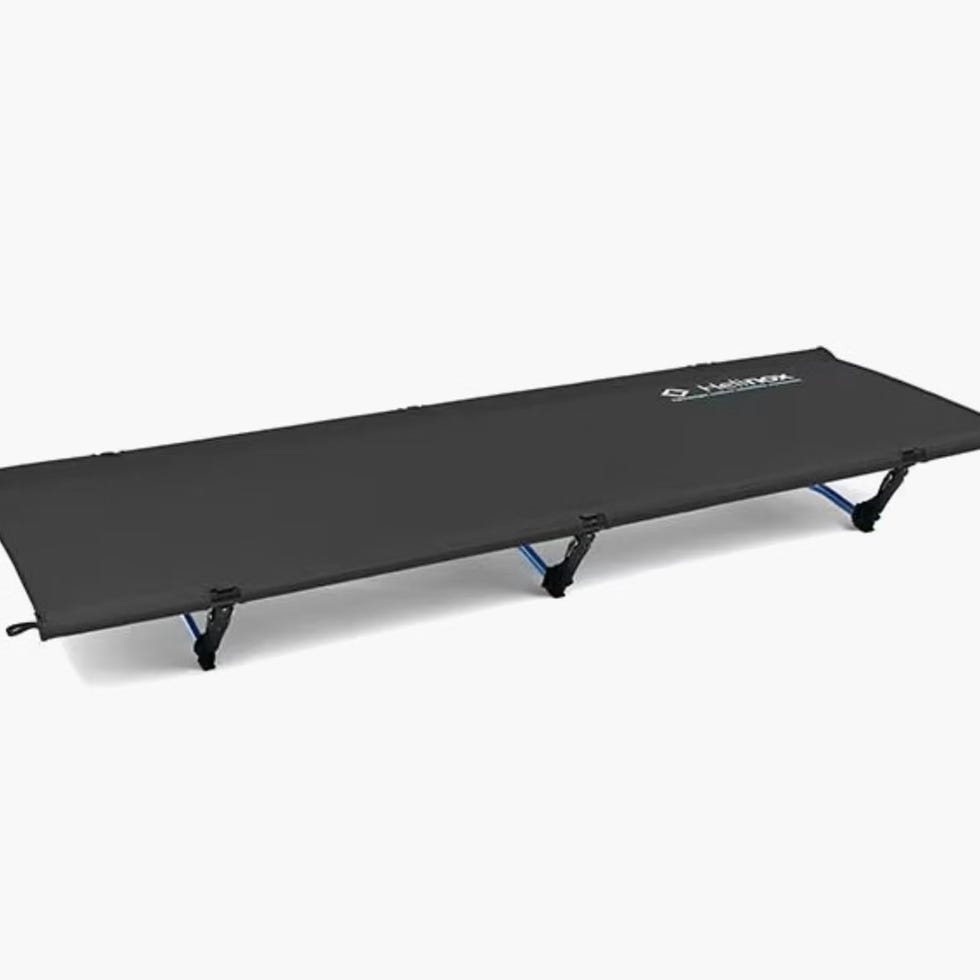
| Weight | 4 lbs 13.6 oz |
| Capacity | 320 lbs |
| Dimensions (Unfolded) | 74.8 x 26.8 x 6.7 in. |
| Dimensions (Folded) | 21.3 x 6.3 x 6.3 in. |
With the Cot One, Helinox creates an instant sleep surface that’s flat, level, comfortable, and off the ground. Fully set up, it’s the perfect front-country camp bed that supports over 300 pounds. It packs down surprisingly small into the included zip case and weighs less than five pounds. Optional leg extensions are available to lift the cot up to 15 inches off the ground for maximum comfort.

| Weight | 1.7 lbs |
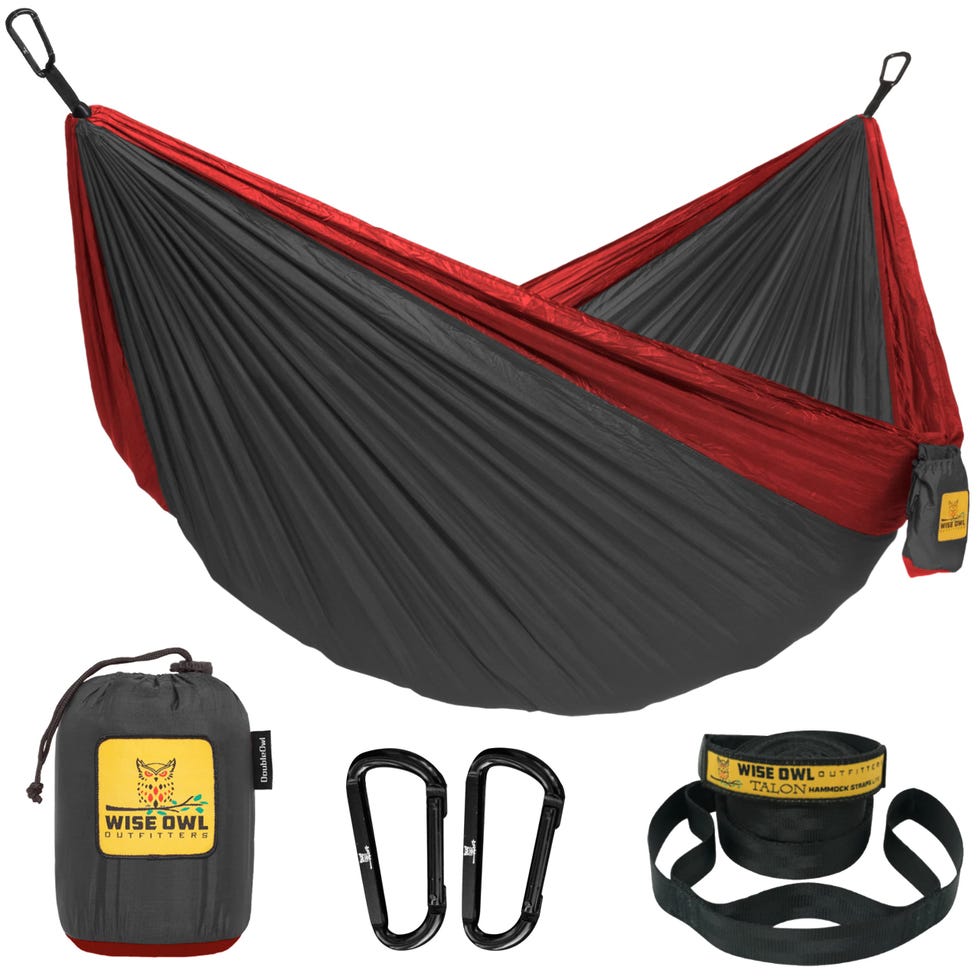
| Capacity | 500 lbs |
| Material | Nylon |
This entry-level model from Wise Owl Outfitters is a great starter option for anyone looking to get into hammock camping or as a budget-friendly “just in case” hammock. The lightweight design weighs less than two pounds for the hammock, straps, carabiners, and stuff sack. It’s surprisingly durable and supports up to 500 pounds. Bonus: It’s available in more than a dozen colors too.

Cons
- Slow to empty
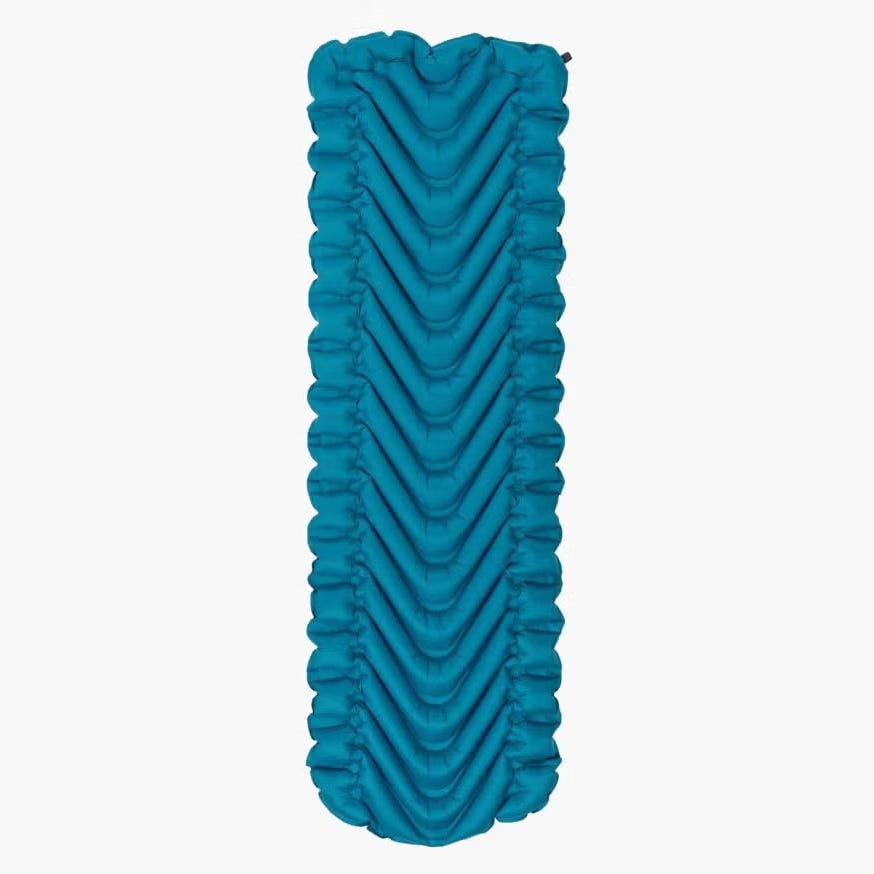
| Weight | 1 lb 2.1 oz |
| Dimensions | 72 x 23 x 2.5 in. |
| R-Value | 1.3 |
You typically get what you pay for in the world of inflatable air pads, but Klymit’s Static V Base is something of a unicorn. It’s plenty comfy for front-country camp setups, but it really shines in the backcountry with a compact, featherweight construction that’s surprisingly durable to survive rock punctures and uneven ground. Most impressive? It’s typically available for less than $50.
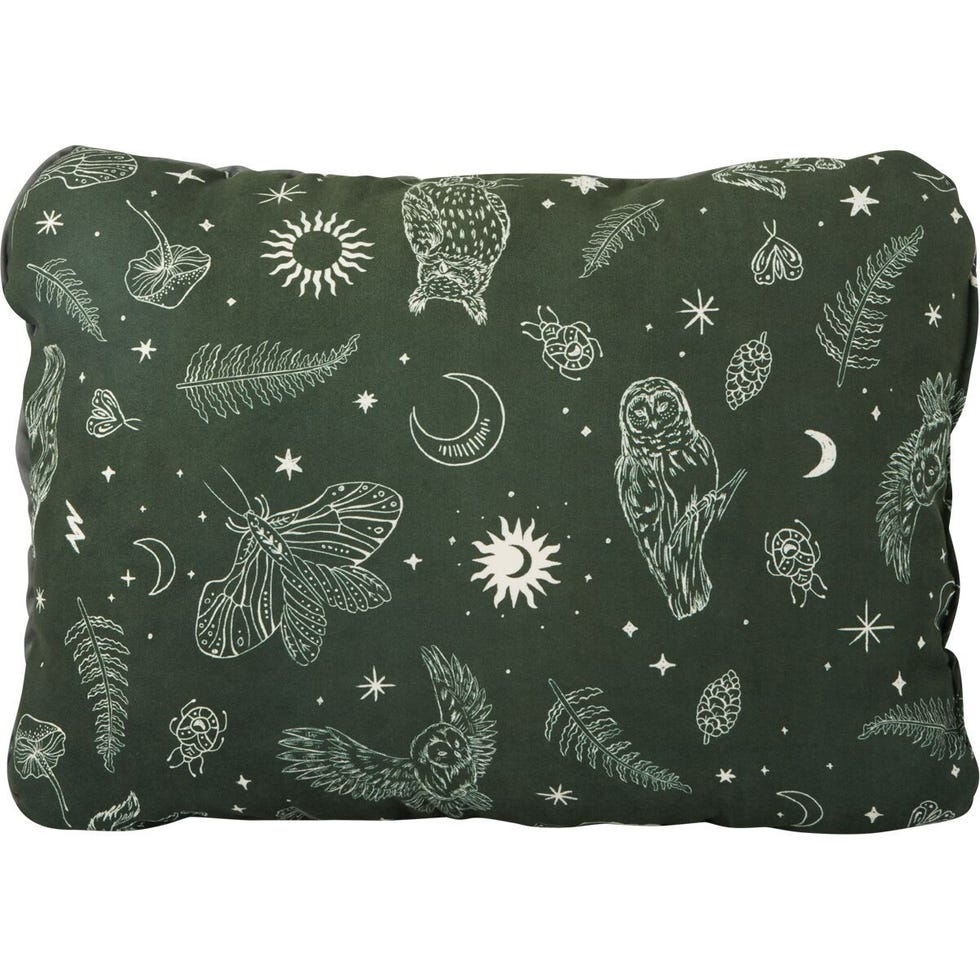
| Dimensions | 18 x 14 x 6 in. |
| Weight | 0.68 lbs |
| Fill | Upcycled foam |
We’ll take a proper foam pillow over an inflatable any day. Therm-a-Rest’s fan-favorite compressible relies on an upcycled foam fill and a plush polyester cover for serious front- and backcountry sleep comfort that’s the closest thing to your home bedroom setup. The cinch adjuster (hence the name) allows campers to tweak the pillow’s firmness to their liking. Plus, it packs down to about half its size for easy travel.
Kitchen

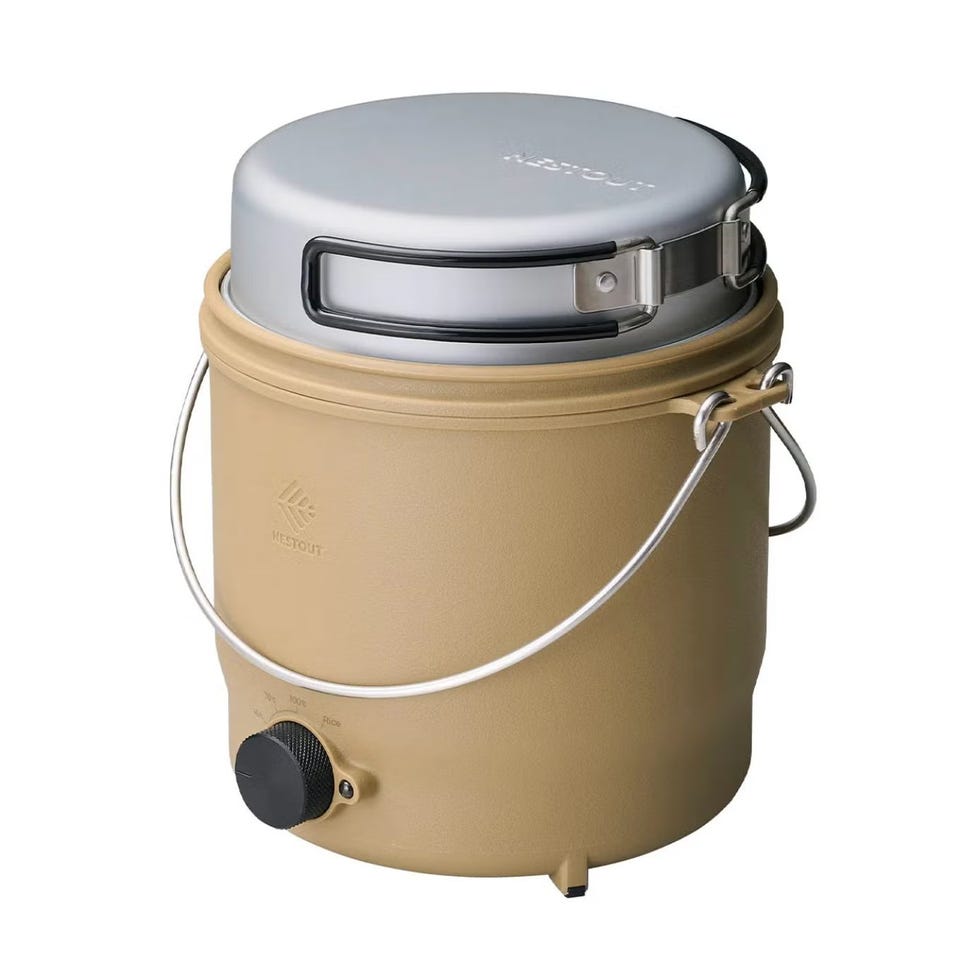
| Temperature Settings | 113°F-158°F-212°F (plus a dedicated rice mode) |
| Power Input | 500 Watts |
| Dimensions | 6.8 × 6.5 × 6.7 in. |
| Weight | 1 lb 15 oz |
For front-country campers with access to electricity (or even a portable power station), Nestout’s Outdoor Cooker adds serious versatility to your outdoor kitchen. The modest 500-watt capability is plenty powerful for cooking rice, boiling, steaming, or whipping up everything from soup to oatmeal. At less than two pounds, it’s compact and lightweight enough to stash in the back of your rig until you need it.

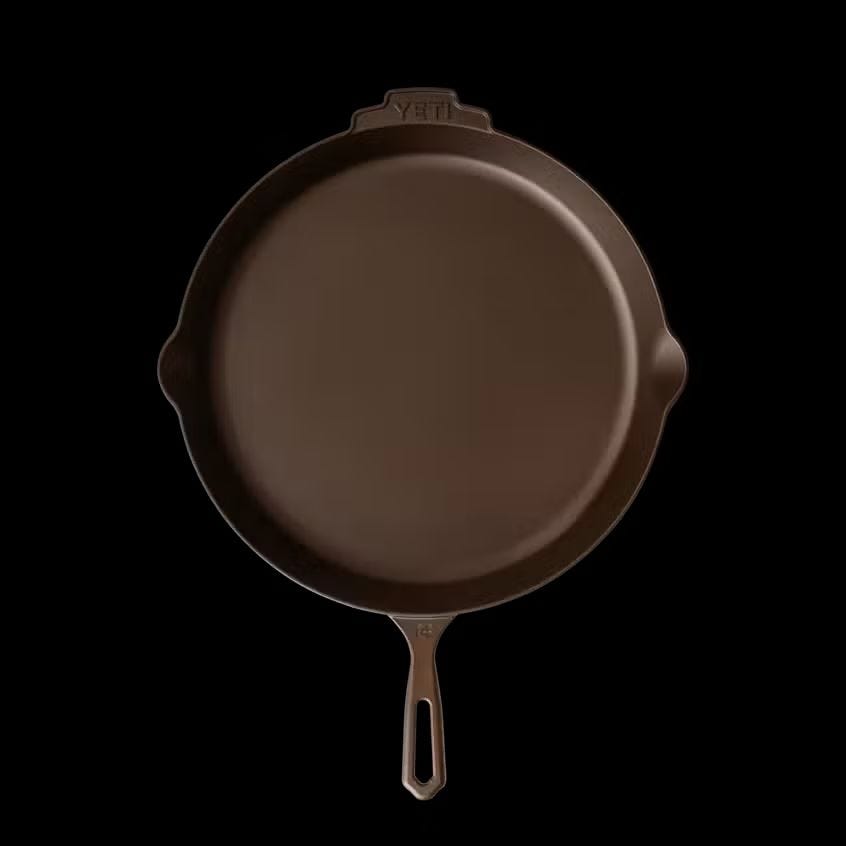
| Weight | 9.8 lbs |
| Dimensions | 20.1 x 15 x 2.1 in. |
| Safe for | Live fire, induction, ceramic, gas stoves |
Yeti’s newest cast-iron skillet is also the largest in its lineup. The 14-inch size makes it ideal as an all-in-one pan for car campers looking to pack less cookware. The oversized design comes polished and pre-seasoned, so it’s ready to go straight out of the box. An additional grab handle and dual pour spouts make it safer and ultra-versatile for cooking up just about anything.

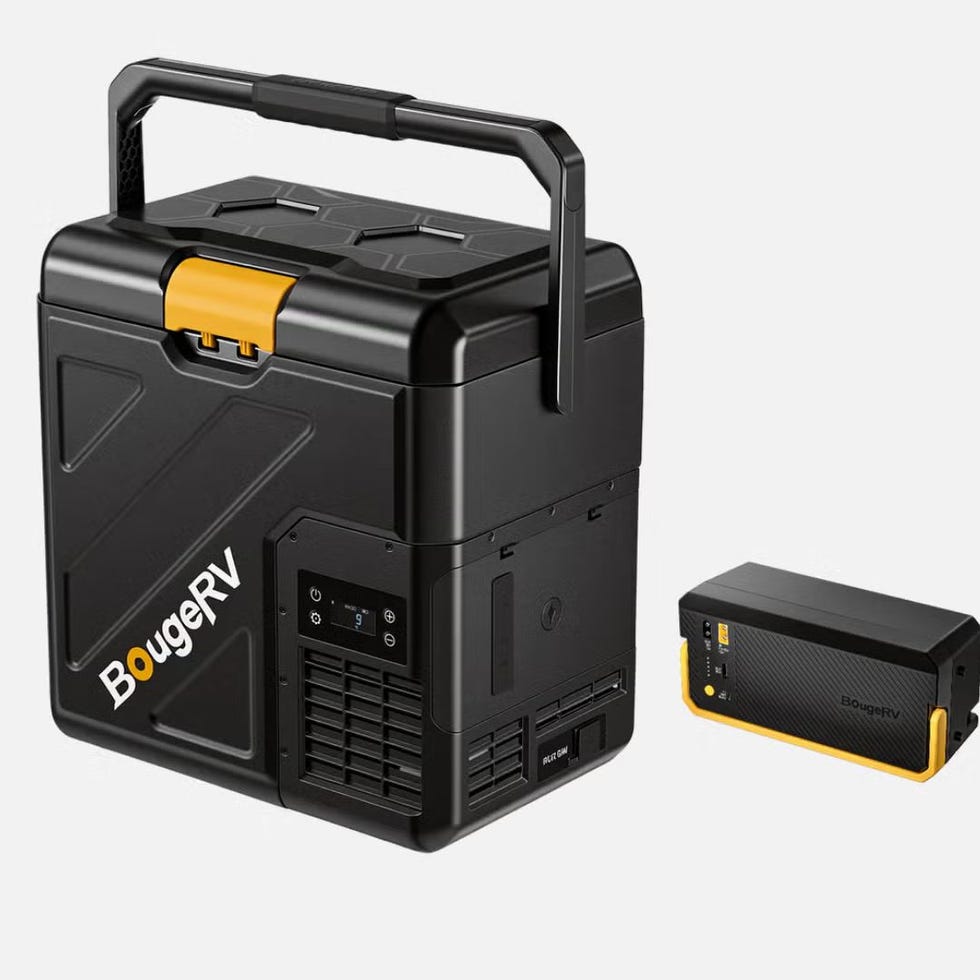
Cons
- Can be awkward to carry, especially when full
| Dimensions | 18.9 x 13.46 x 18.27 in. |
| Weight | 22.6 lbs |
| Capacity | 21 quarts |
This portable fridge from BougeRV is the perfect accompaniment to your existing cooler. Stash the temperature-critical foods (meat, eggs, bacon, etc.) in the former and everything else in the latter. It’s small enough to fit in the footwell of most passenger vehicles, and the included 240Wh detachable battery keeps it cold for more than a full day. What’s more: It’s more affordable than most premium mid-sized coolers.

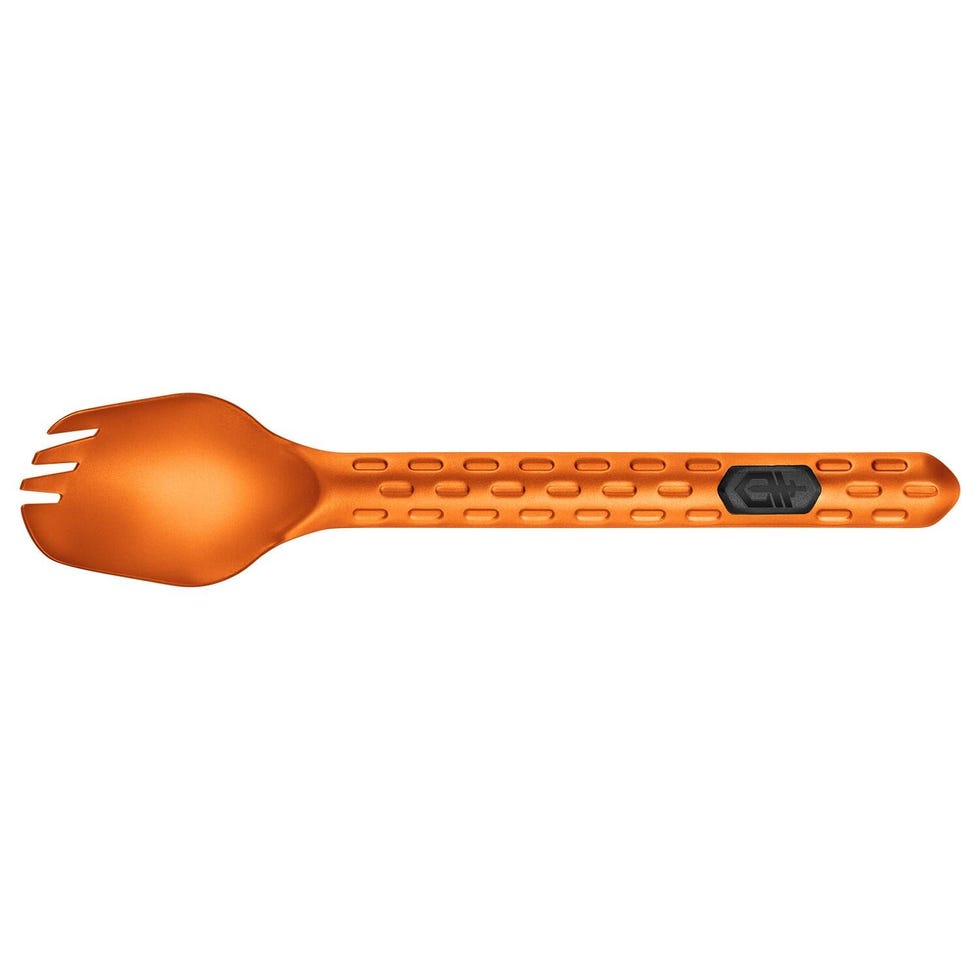
| Overall Length | 7.6 in. |
| Weight | 0.85 oz |
| Material | Textured handle 7075 T6 aluminum |
Gerber elevates the lowly spork with the ComplEAT Multi-Fork. It’s the same multipurpose utensil we all know and love, including a deep-basin spoon, a tined fork end, and dual cut/scrape edges. But this premium take adds a six-function multi-tool that clips to the back. So, you also get a serrated package opener, a can opener, a bottle opener, twin flathead drivers, and a pry bar. A clever kickstand feature also keeps the business end up off of dirty rocks and ground.

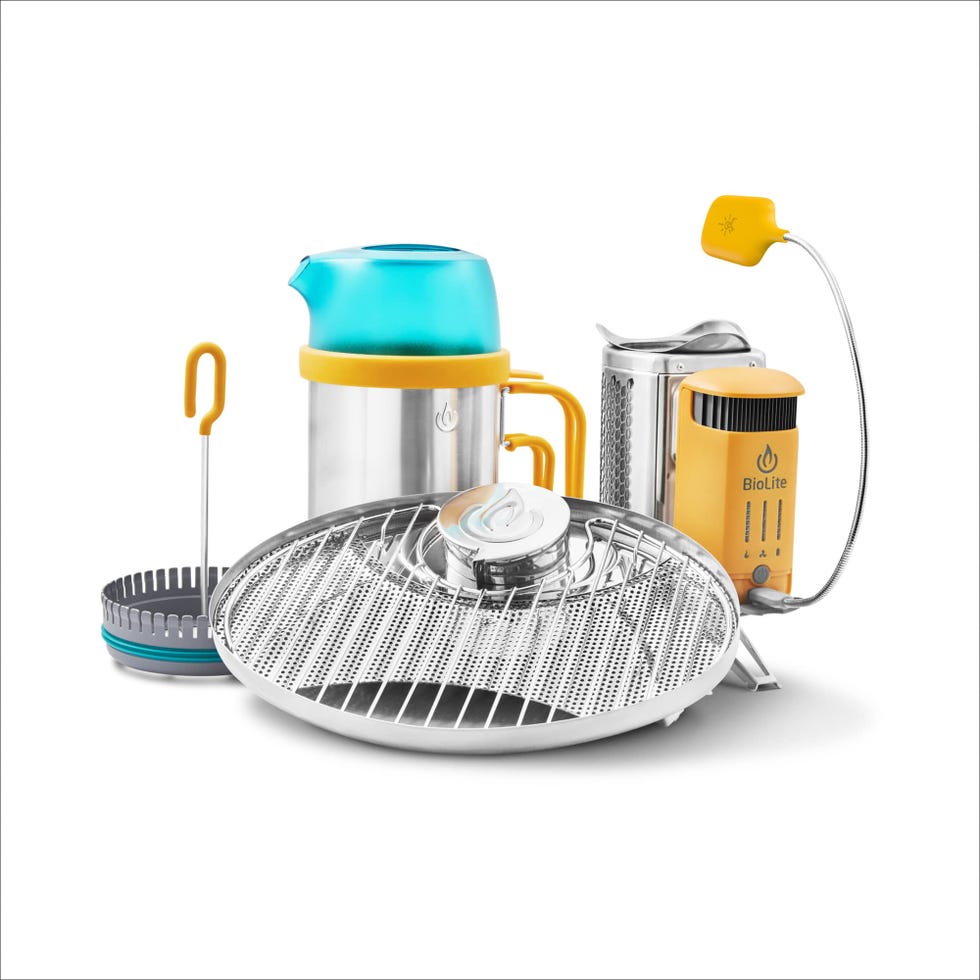
| Dimensions | 4.94 x 2.06 x 7.91 in. |
| Weight | 2.06 lbs |
| Primary Material | Aluminum |
For campers who value weight and packability above all else, BioLite’s CampStove 2+ is a game-changer. The clever design runs on pretty much any organic material (twigs, pinecones, leaves, wood) to keep it stoked off-grid almost indefinitely. The dual-purpose output charges your phone, GPS, headlamp, and other small devices (at up to three watts) in the backcountry, and it doubles as a stove at mealtime.
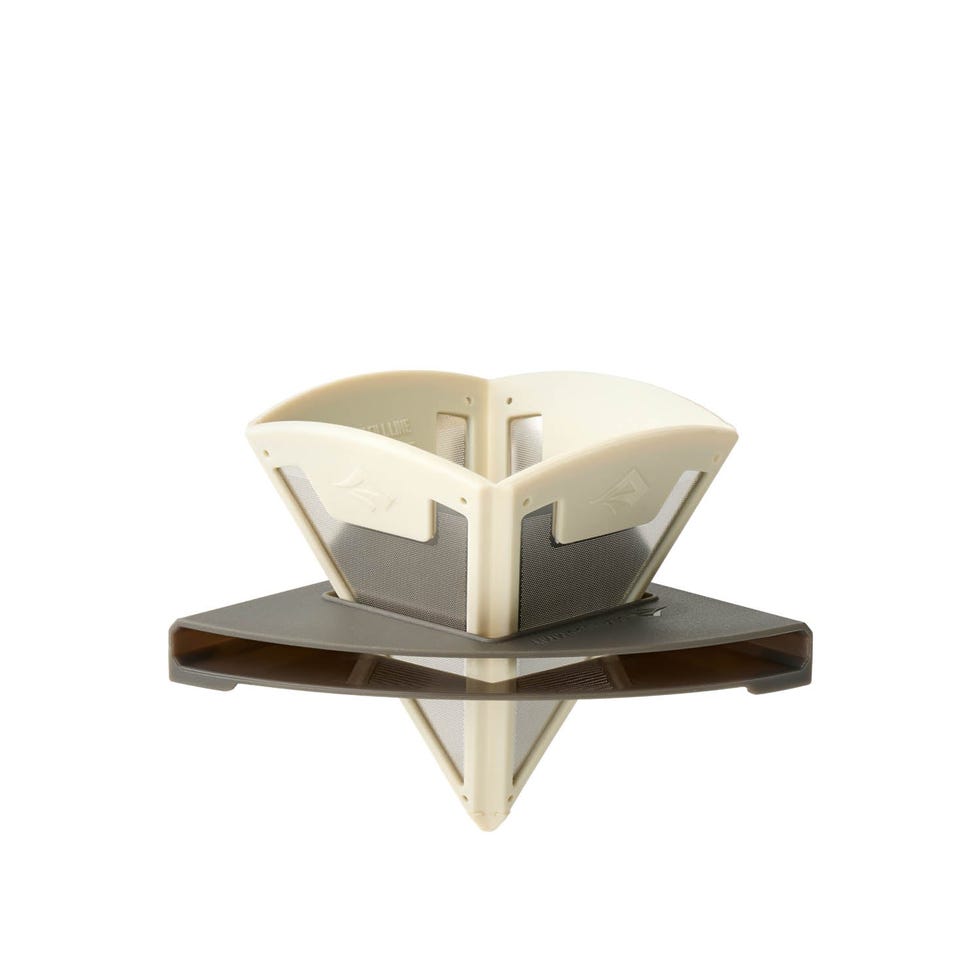
| Weight | 2 oz |
| Packed Size | 4 × 4 × 1 in. |
| Materials | BPA-free, EU/Japanese-food grade silicone rubber and stainless steel |
I’m willing to dump a lot of things from my pack to save weight, but coffee isn’t one of them. Sea to Summit’s Frontier Ultralight Collapsible Pour Over is as dead-simple and packable as a camp coffeemaker can get, so you’re guaranteed your morning Joe anywhere. It weighs just two ounces and folds down almost completely flat so you’ll practically forget it’s in your backpack. But it pops open to reveal a legit pour-over coffeemaker that works with most camp and travel mugs.

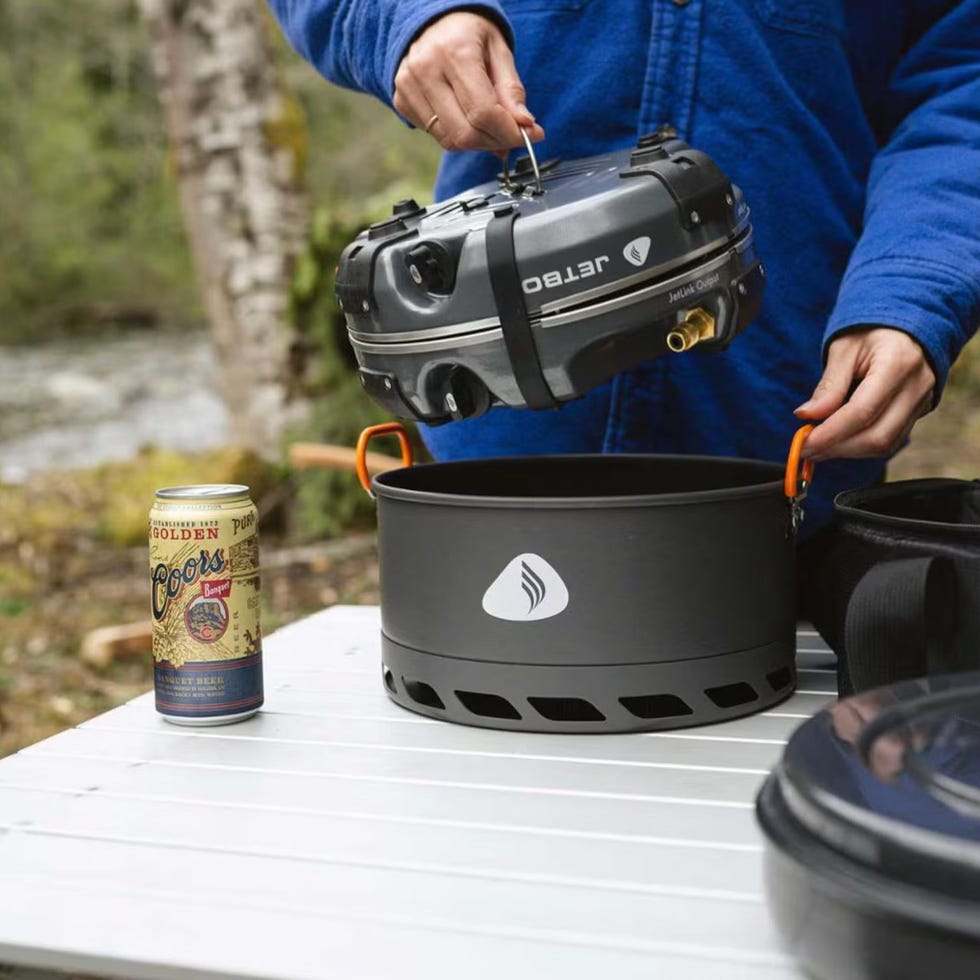
| Weight | 9 lbs 5 oz |
| Dimensions | 10.3 x 7.2 in. |
| Fuel | Propane |
For serious front-country campers, Jetboil’s Genesis Basecamp is near perfect. The dual-burner system allows for more elaborate meal preparation than single-burner alternatives with up to 10,000 BTU output and maximum flame control. A 5-liter pot and 10-inch ceramic-coated nonstick fry pan are included, so you can prep just about anything for breakfast, lunch, and dinner, even for larger groups.
Cons
- Premium Yeti price tag
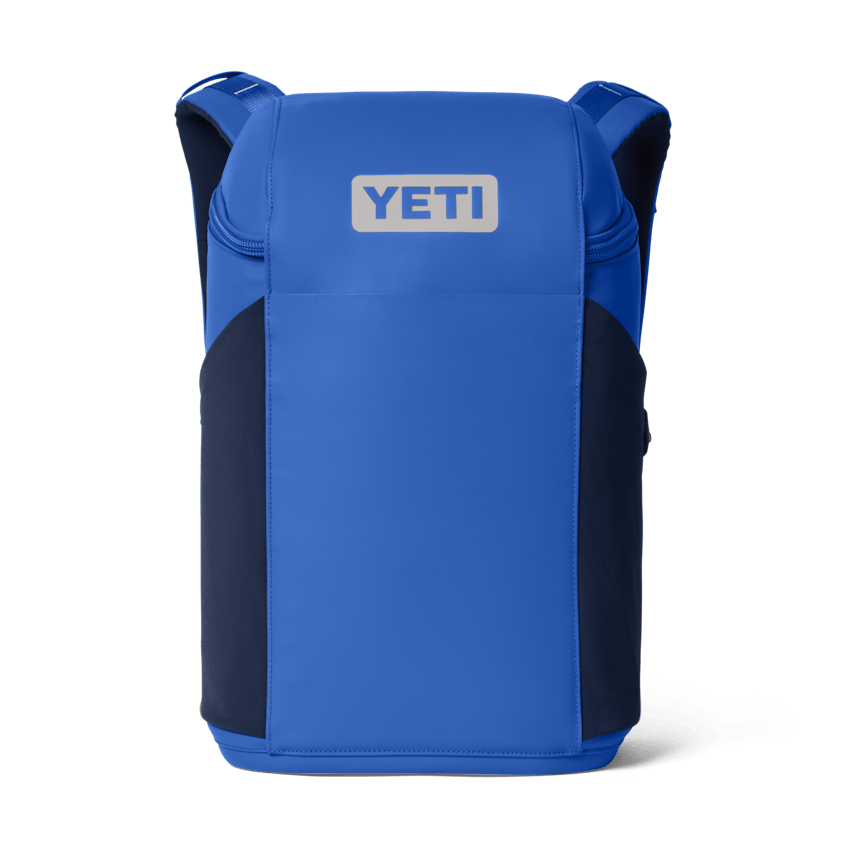
| Capacity | 20 liters |
| Weight | 3.2 lbs |
| Dimensions | 18.58 x 11.81 x 8.66 in. |
The all-new Daytrip 20L combines Yeti’s legendary all-day, keep-cold insulation with the portability of a traditional backpack cooler. It’s roomy enough for a six-pack, two lunches, snacks, and an ice pack, making it perfect for day-hike lunch breaks or even as add-on cold storage for weekend trips. A large top opening provides easy access, while external pockets add extra storage for keeping smaller essentials within easy reach.

Cons
- Wish it came in more colors
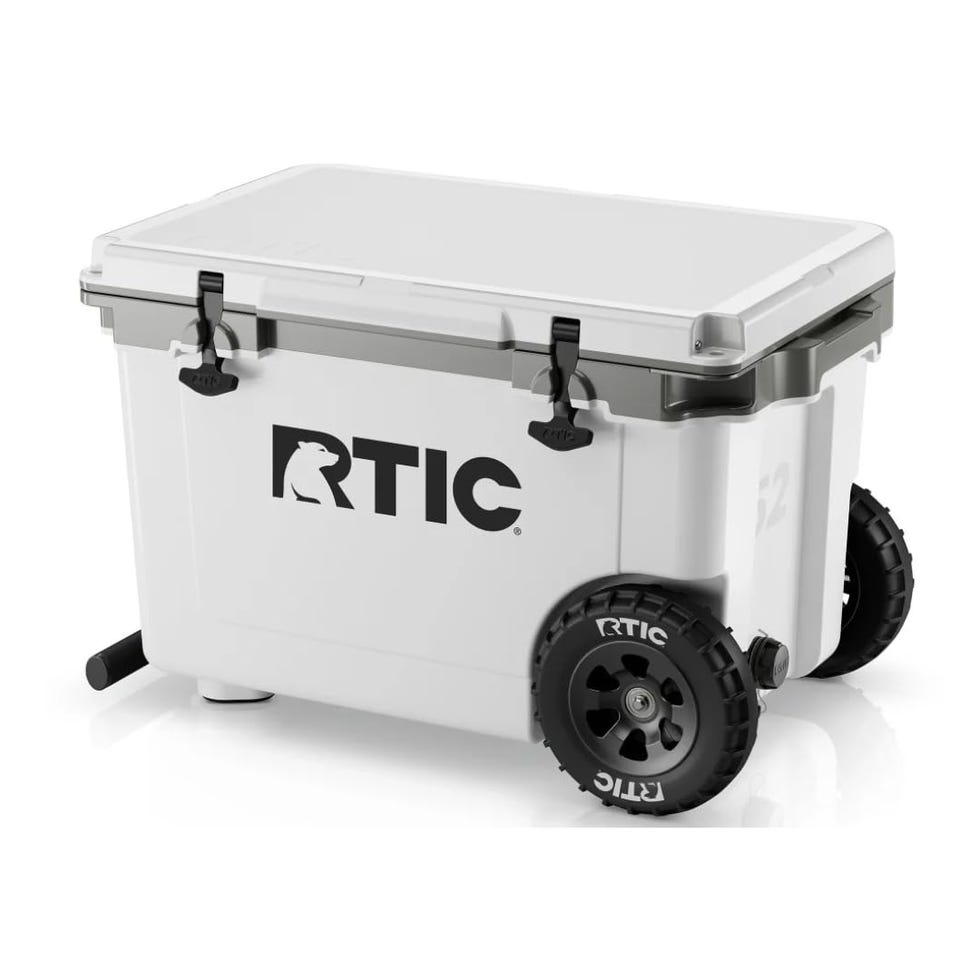
| Dimensions | 29 x 18.25 x 18.75 in. |
| Weight | 30 lbs |
| Capacity | 52 quarts |
For long weekends at the campsite or off-grid, we love this oversized cooler from RTIC. The 78-can capacity offers plenty of cold storage for a family getaway, and RTIC’s premium insulation ensures it stays chilled for up to five days. The lightweight design is easier to carry, and all-terrain, puncture-proof wheels make it easy to wheel from the car to the campsite, too.
General Camping Gear

| Weight | 6 lbs 1 oz |
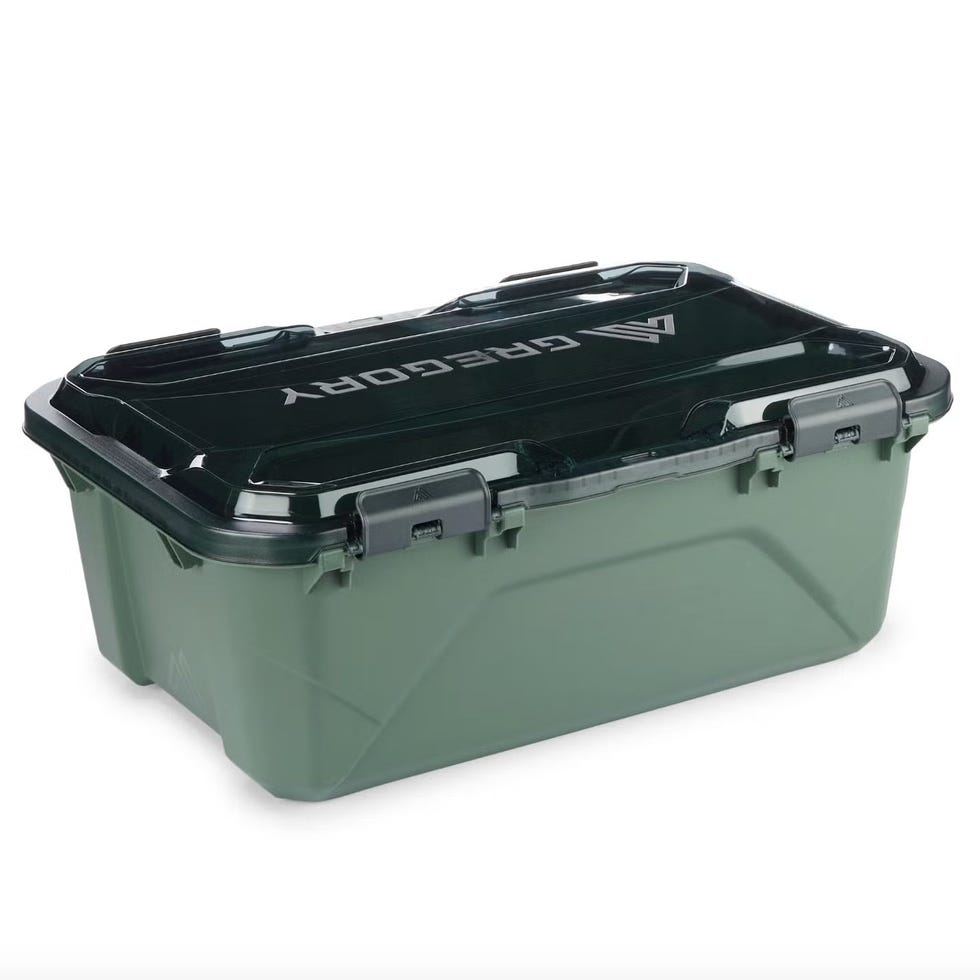
| Dimensions | 26.8 x 17.5 x 10.6 in. |
| Capacity | 45 liters |
Car camping is dirty business—literally. That’s why we love simple, versatile adventure storage that just works. Upgrade your existing loadout with this gear box from Gregory. It’s waterproof/dustproof, and the translucent lid makes organization infinitely easier than with traditional opaque storage totes. Plus, the clever hinged lid opens either way for easy access.

Cons
- There are more affordable options
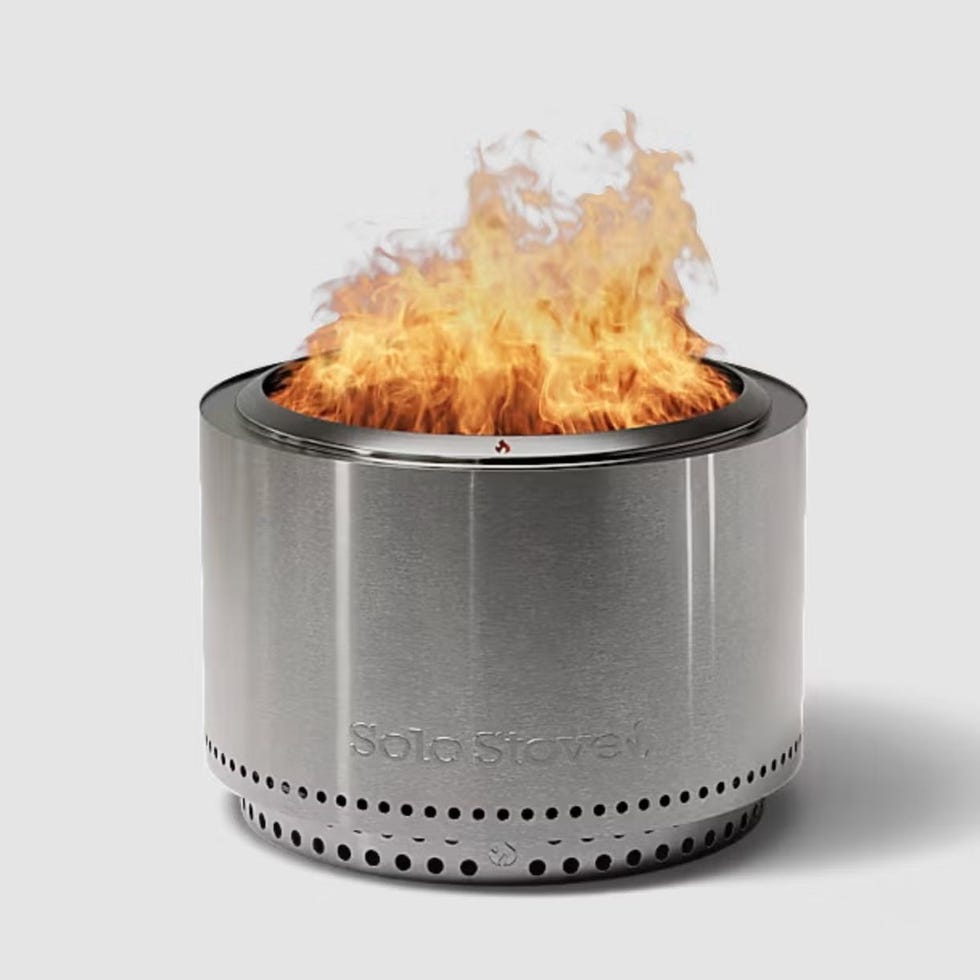
| Weight | 30.5 lbs |
| Dimensions | 24.6 x 18.4 in. |
| Material | Stainless steel |
Solo Stove has long been a perennial favorite for us here at Men’s Health. Its latest Basecamp fire pit combines a just-right size that’s roomy enough for four adults to enjoy yet compact enough to easily transport from the backyard to the backseat for car camping. And, of course, it still features the same smokeless design and maximum burn efficiency that the brand is known for.
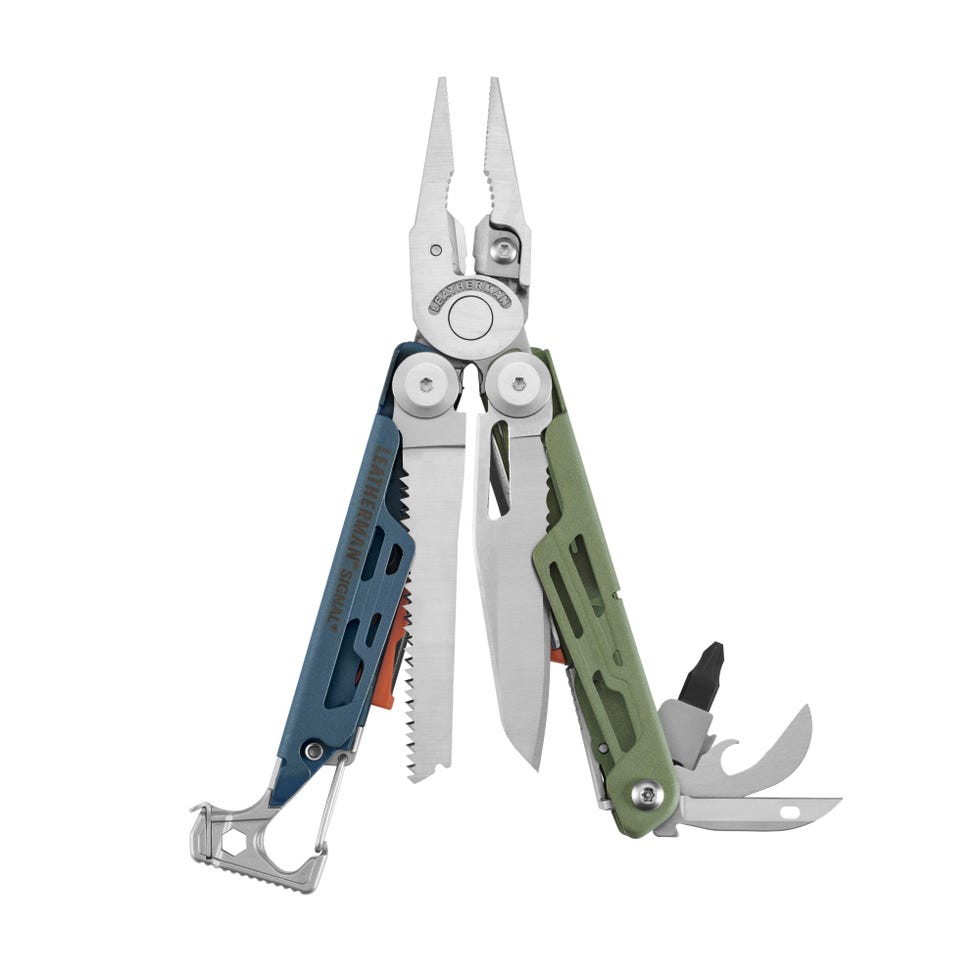
| Total Tools | 19 |
| Weight | 7.5 oz |
| Length (folded) | 4.5 in. |
Leatherman’s Signal has been my multitool of choice since I can remember. The just-right tool selection includes everything you need for a day in the backcountry or your own backyard: Pliers, drivers, cutters, a saw, a micro hammer, bottle and can openers, wrenches, and a 420 HC combo knife. Plus, there’s a whistle and ferro rod if you need ‘em. It’s all packed into one compact tool that stuffs neatly in the available sheath or clips to your pack with the be brand that invented the ultra-packable camp chair sought to make it even better. With an extended backrest, it’s now more comfortable and supportive than ever, with all the same backpacking-friendly packability as before. The shock-corded pole structure makes for easy setup, and the 100% recycled polyester seat fabric is a nice, eco-friendly touch.

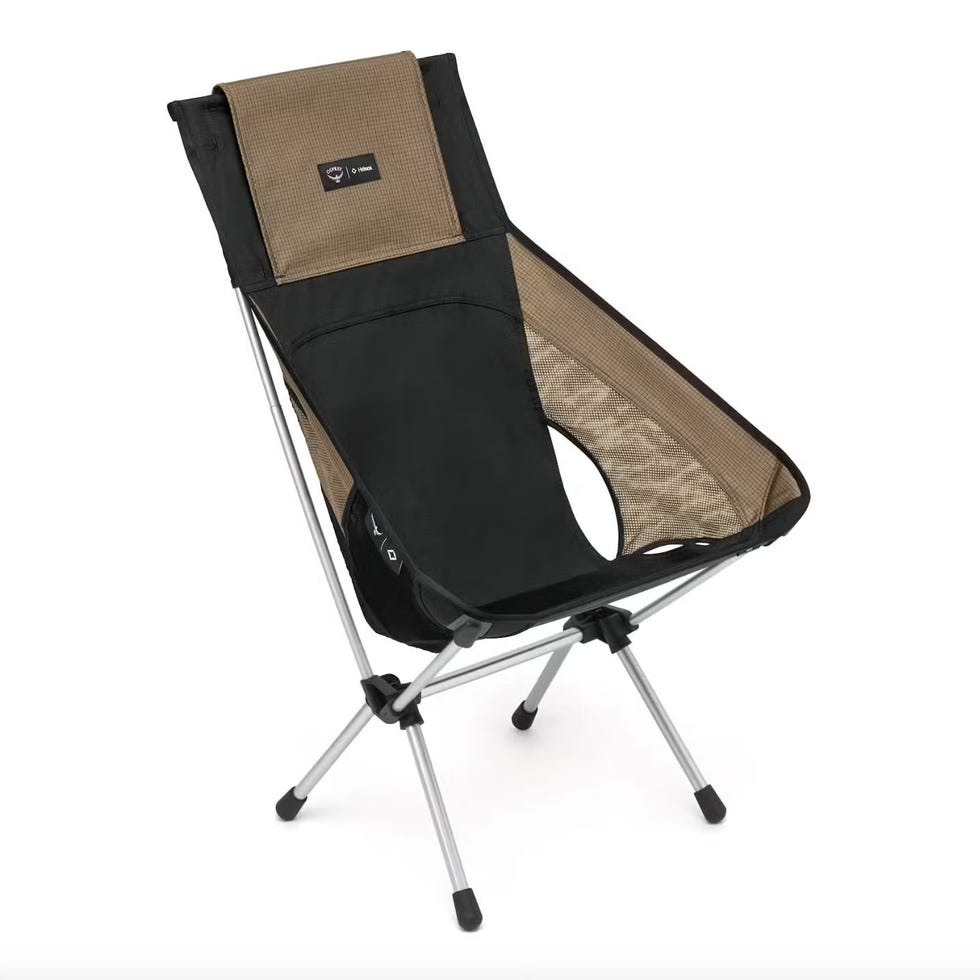
| Weight | 3 lbs 4 oz |
| Dimensions (Open) | 28 x 22.5 x 20.5 in. |
| Frame | DAC aluminum alloy |
The brand that invented the ultra-packable camp chair sought to make it even better. With an extended backrest, it’s now more comfortable and supportive than ever, with all the same backpacking-friendly packability as before. The shock-corded pole structure makes for easy setup, and the 100% recycled polyester seat fabric is a nice, eco-friendly touch.

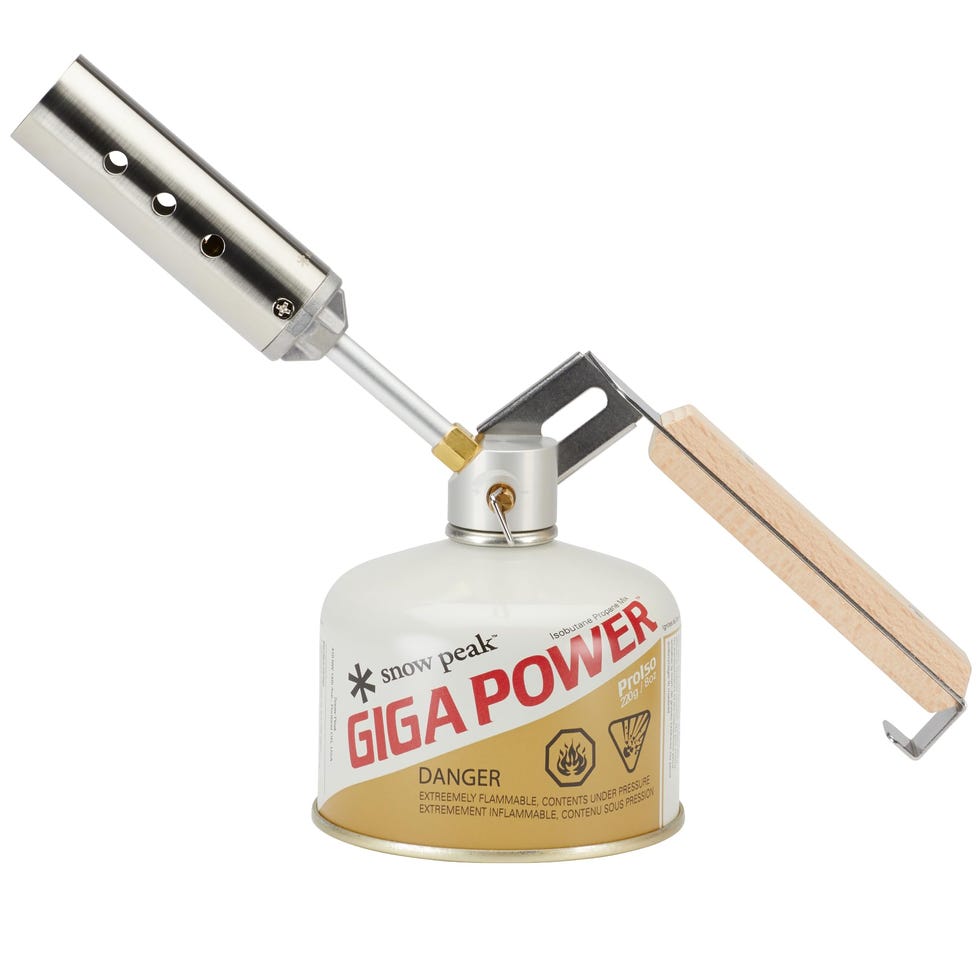
| Dimensions | 10.91 x 4.13 x 9.06 in. |
| Weight | 0.55 lbs |
| Material | Alloy steel |
The aptly named GigaPower Folding Torch is the single best way to start a campfire in any conditions. It uses the same small disposable fuel canisters that you’re probably already packing. Yet it’s powerful enough for starting large fires while car camping and compact enough to stash in a backpack if you’re planning to backcountry camp. Plus, it’s just so damn fun to use.

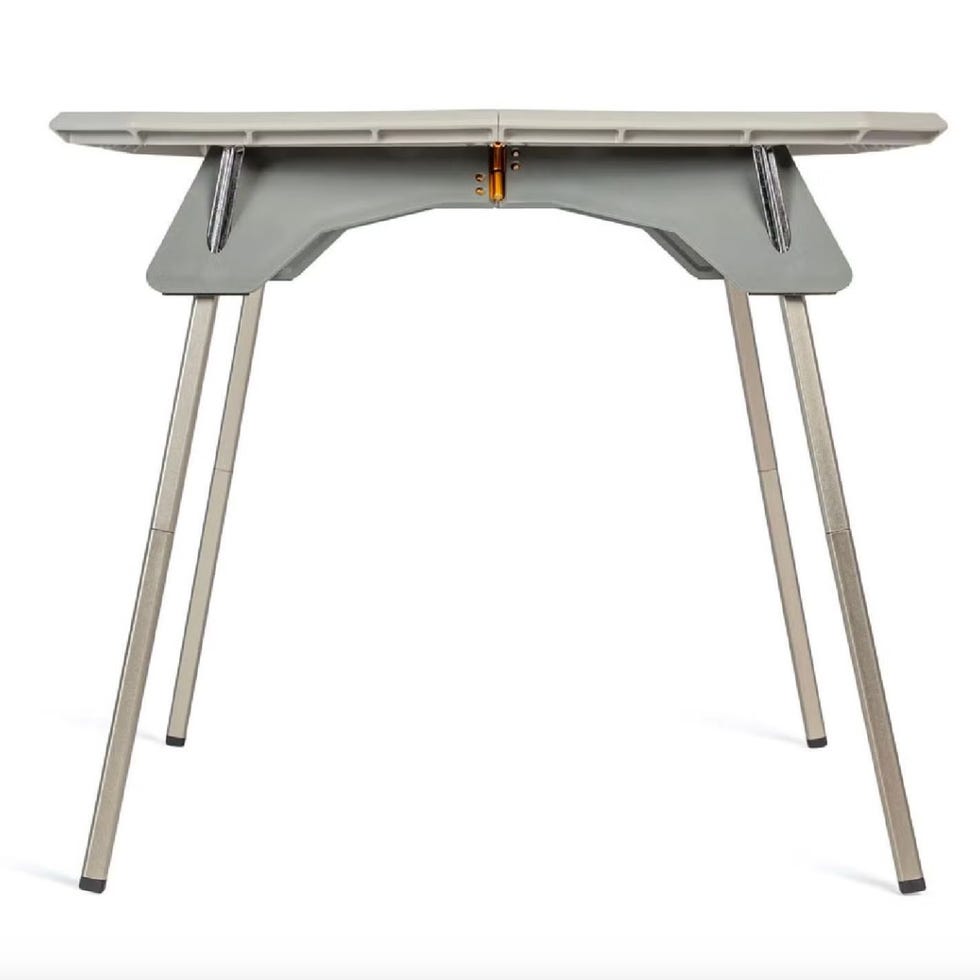
| Weight | 4 lbs 13 oz |
| Dimensions (Unfolded) | 19 x 16 x 15 in. |
| Material | Aluminum (frame) and nylon (tabletop) |
Our go-to camp table balances weight and durability, with a dead-simple design that makes setup and breakdown easy. The nearly flat silhouette slots neatly into the laptop sleeve of a backpack or soft cooler, too.

Cons
- Software can be buggy
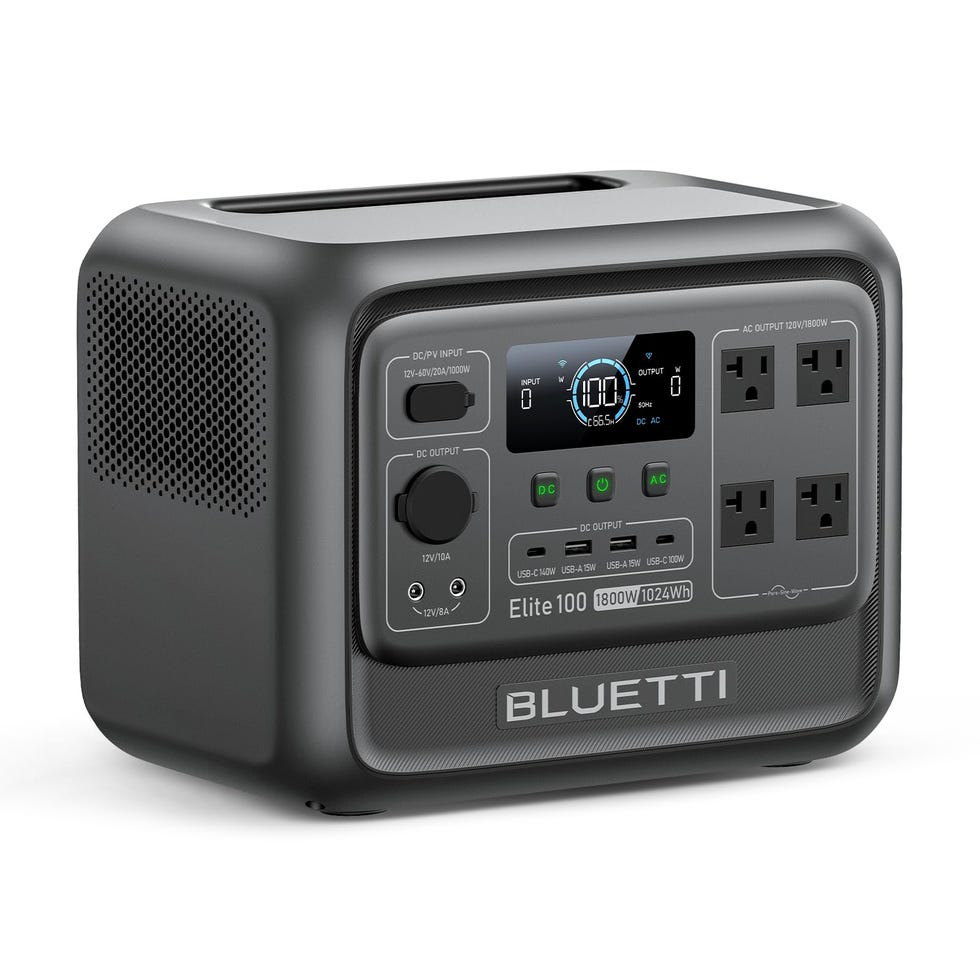
| Peak Output | 1,800 Watts |
| Capacity | 1024Wh |
| Dimensions | 12.6 x 8.5 x 9.8 in. |
| Weight | 25 lbs |
Bluetti’s Elite 100 V2 is the portable power station to buy if you only want to buy one. It’s relatively lightweight and compact enough to stash in the footwell of most vehicles. But the 1800-watt peak output can power everything from smartphones and laptops to rice cookers and blenders. It’s surprisingly affordable, too, especially compared to the competition. Just add a 100-watt folding solar panel for virtually limitless off-grid power.

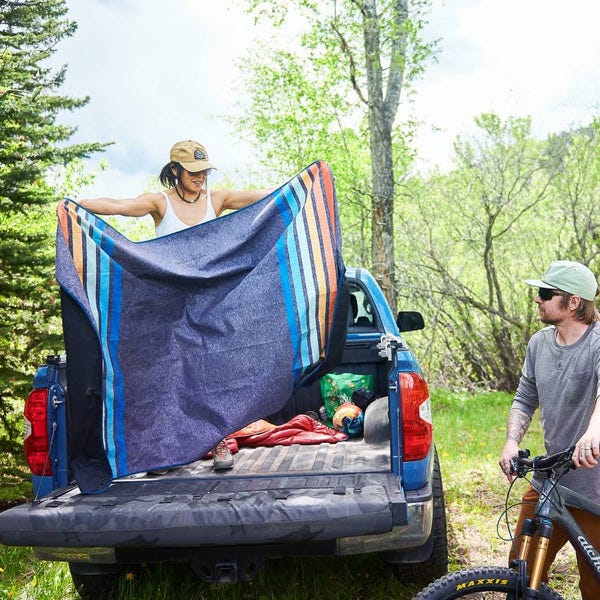
| Dimensions | 52 x 75 in. |
| Weight | 1.2 lbs |
| Materials | 5K TPU laminate bottom, 300 TC ripstop polyester |
Simple touches can elevate any car camping setup. Rumpl’s aptly named Everywhere Mat combines a great-looking microsuede topside that’s stain- and water-resistant with a durable waterproof bottom. So, you get the added livability of a true outdoor rug, including a softer place to walk and for your kids/pets to rest, and a way to protect your gear from stains, wet ground, and errant sticks and rocks.

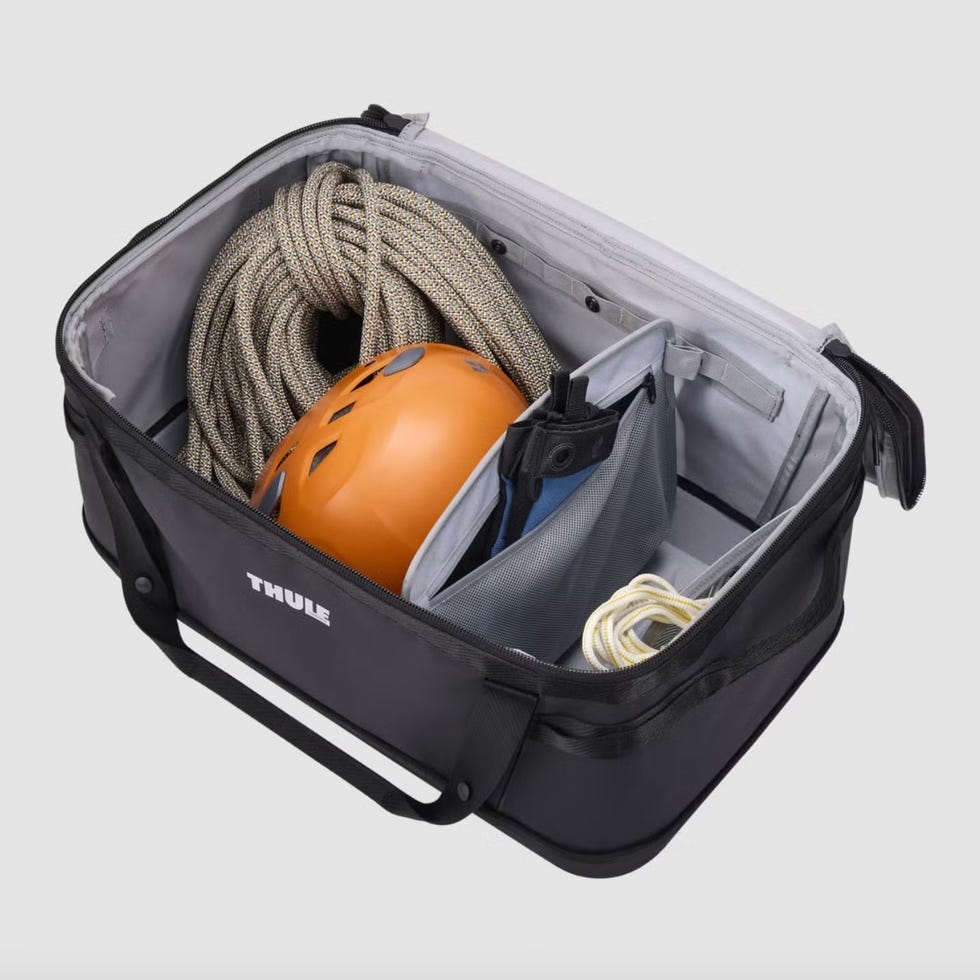
| Weight | 4.6 lbs |
| Capacity | 55 liters |
| Materials | 100% recycled 900D polyester, Phthalate-free laminate |
Another solid storage option, Thule’s new Chasm 55L (and Chasm 80L) is plenty durable for outdoor use, with a molded EVA waterproof base. The semi-rigid structure stays upright when you need it, and the included movable panel lets you customize the interior layout to fit your setup. A zippered lid cleverly folds open and secures magnetically, so you can use it in either the full-open or half-open position.

Cons
- Wish it was USB-C rechargeable
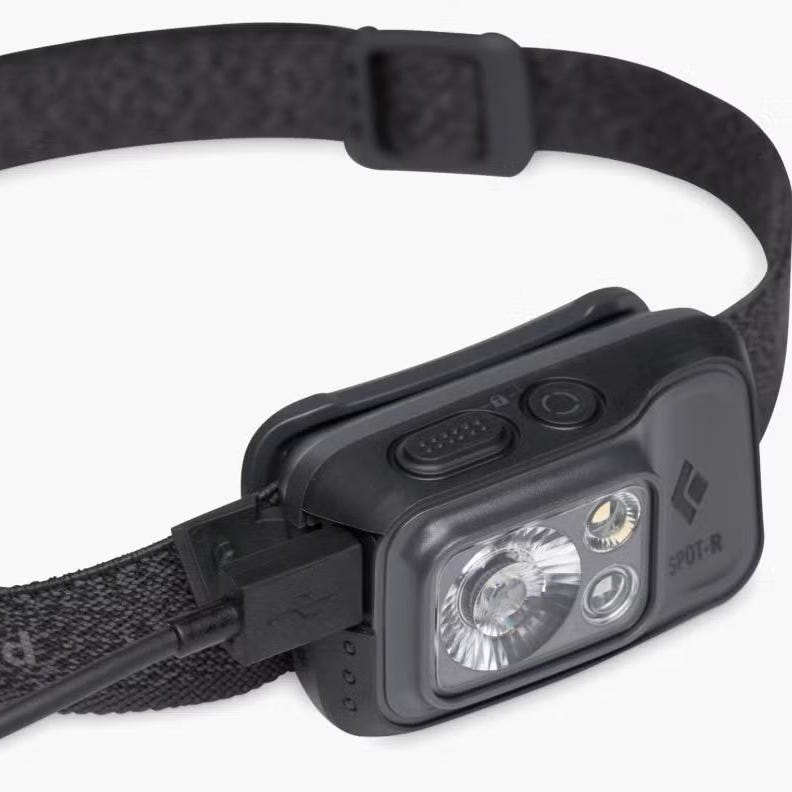
| Weight | 2.6 oz |
| Max Output | 400 lumens |
| Water-Resistance | IP67 |
Black Diamond’s straightforward Spot 400-R offers everything you need and nothing you don’t in a basic headlamp. With a max 400-lumen output, it’s plenty bright as a task or navigation light, and the integrated red light adds more usability for stargazing. The built-in 1,500mAh lithium-ion battery lasts up to 225 hours (in low mode) and is micro-USB rechargeable.
What to Consider
What are the different styles of camping?
There is no one way to camp, especially these days. Here’s a quick rundown on the different camping styles.
- Glamping: Glamping is the most comfortable version of camping, usually done in permanent or semi-permanent confines (think yurts, cottages, or even fancy RVs). The name comes from glamorous + camping, hence it being all about modern-day comforts in pristine places.
- Car Camping: This can be a wide-ranging style that includes traditional tent camping at a campground site to actually sleeping in your car (or a camper van). This is the most common sort of camping and easy to accomplish for groups or families.
- Backcountry: When you’re camping but it’s not near a developed area, you’re in the backcountry. Typically you need to get to your campsite by means other than a car (although overlanding does fit into this category), so the prep for this takes much more planning. You also usually will not have access to electricity, plumbing, or running water so you’ll have to bring lots with you and have plans for say refilling water.
- Backpacking: Combining backcountry camping and thru-hiking, this is usually a multi-day trip that covers a range of terrain that can’t be done in just one day hike. This takes serious planning and gear refinement, and lots of backpackers tend to lean on ultralight camping gear to cut down on weight.
How much gear do I need?
The key isn’t just packing more gear, but packing high-quality items that are durable, versatile, and work for your style of camping. That last bit is the most important. Focus on the things that actually make your experience better. For me, that means an ultra-comfortable sleep setup (with a luxurious portable mattress and a legit camp pillow) that’s almost as good as my bed at home, and a solid camp kitchen (with a portable fridge and premium cookware set) because I love to cook. But that changes from the frontcountry to the backcountry.
Depending on how remote you’re going, you should figure out your own preferences for your style of camping. Weight saving is always more crucial when you step up from car camping and into more involved situations in the backcountry.
Which season are you camping in?
Weather and climate are always a factor when camping. Not just for what to pack and bring, but for the type of gear you invest in. Are you just a summer camper? Then you can probably get away with three-season camping gear. If you do want to do winter camping, then having two sets of gear (one for warmer and one for colder) might make sense or opting for four-season gear might be the way to go.
How many people do you typically go camping with?
There are solo campers all the way to big group camping excursions, and everything in between. Making sure you have the right size tent for the people you tend to camp with is a first start. Maybe you like solo camping often, but you do a group trip every summer as well. You’ll probably need two tents then, or at least making sure that someone in the group has more of a three-person and up tent. The same thinking should go into your camp kitchen setup.
How We Selected
As an avid camper and adventure travel writer for more than two decades, I’ve tested countless outdoor products from all of the world’s most recognized brands. Whether that’s a weeklong car camping trip or backpacking throughout Utah’s national parks, I’ve assessed outdoor gear in countless different scenarios and climates. I also consulted with Senior Gear and Reviews Editor Ryan Brower on top options, research, and some of his own personal testing.
While testing camping gear, we’ve been sure to take thorough notes on comfort, ease of packing, weight, durability, functionality, performance, and necessity. The best camping gear is the gear you actually use, as overpacking can make things a bit tricky. Prioritize what’s best for your style of camping.


Mike Richard has traveled the world since 2008. He’s kayaked in Antarctica, tracked endangered African wild dogs in South Africa, and survived a near-miss great white shark attack in Mexico. His travel advice has appeared on the websites for Forbes, Travel + Leisure, CNET, and National Geographic. He loves the great outdoors and good bourbon, and (usually) calls Tulsa, Oklahoma home. Mike also enjoys speaking in the third person.


Ryan Brower is the Senior Gear and Reviews Editor at Men’s Health, where he tests the best products in outdoor gear, tech, running shoes, and more. He has written about the outdoors for nearly two decades and was previously the Managing Editor, Content Performance at Gear Patrol. He holds a B.A. in Sport Management and is a Certified Beer Server, having previously covered the craft beer industry. Ryan currently lives on the water in New Jersey with his wife and their dog.
Read the full article here


