








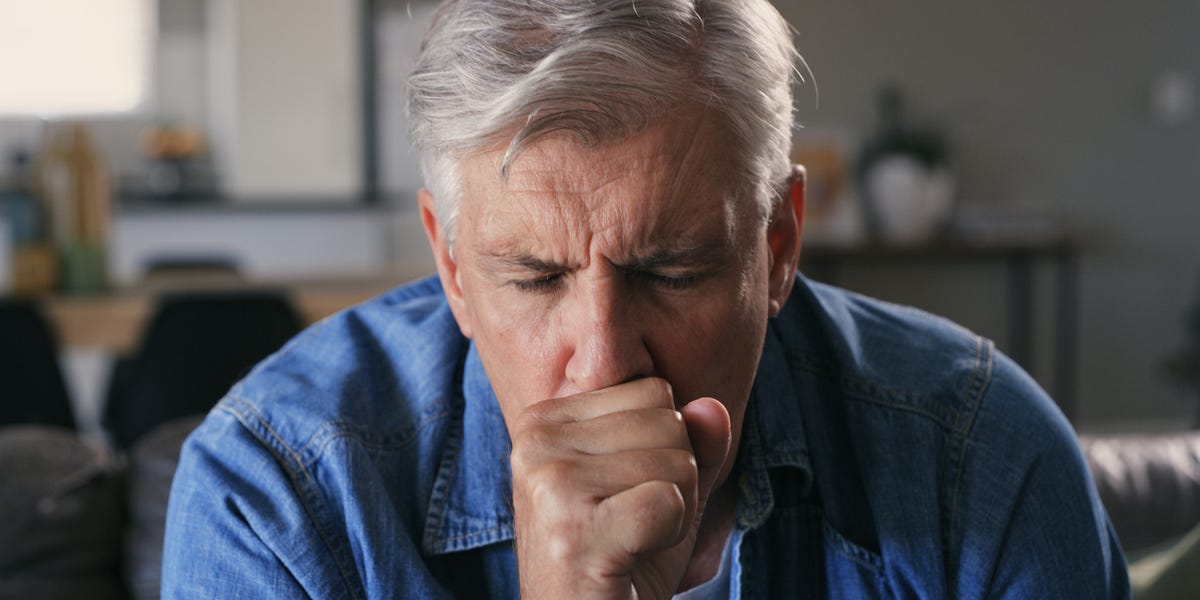
YOU’VE HAD A cough for a couple of days. You’re tired and a little feverish, but you have meetings to get through, family members to shuttle around, and approximately zero interest in sitting in a waiting room. Besides, it’s probably just a cold or the flu. You’ll be fine.
Sound familiar?
“Particularly the fellas, we tend to put off calling our doctors,” says William Schaffner, MD, an infectious disease specialist and professor of preventive medicine at Vanderbilt University Medical Center. “‘It’ll get better tomorrow,’ is what we say.”
That wait-and-see approach can backfire, especially if what seems like a routine respiratory illness is actually pneumococcal pneumonia—a bacterial lung infection that can become serious. “The time to call the doctor is early,” Dr. Schaffner says. “Earlier, we can prevent you from getting into the ditch. Later, we’re trying to get you out of the ditch.”
When Waiting It Out Isn’t The Best Move
THERE ARE PLENTY of reasons to put off getting care. Respiratory symptoms can be vague. You’re busy. Medical care can be expensive or difficult to access. You may be worried about what a doctor will find. Or you figure you can tough it out for another day. Dr. Schaffner also notes that men tend to see doctors less often than women after adolescence, giving them fewer opportunities to discuss warning signs or preventive care.
Of course, not every cough means you need immediate medical attention. Michael S. Niederman, MD, a pulmonary specialist and professor of clinical medicine at Weill Cornell Medical College, says watchful waiting may be reasonable if you have a low-grade fever, mild chills, and a cough producing clear mucus but no shortness of breath.
But a fever that persists, shaking chills, chest pain, increasing shortness of breath, rapid breathing, or coughing up thick mucus are reasons to get checked out, he says. Those symptoms can signal pneumonia—which is why waiting for a respiratory illness to pass on its own is risky.
Is It Pneumococcal Pneumonia?
ACCORDING TO THE Centers for Disease Control and Prevention (CDC), pneumococcal pneumonia is a lung infection caused by the bacterium Streptococcus pneumoniae, or pneumococcus, a common cause of bacterial pneumonia. Other forms of pneumonia can be caused by viruses and other germs.
Unlike bronchitis, which primarily affects the bronchial tubes that carry air into and out of the lungs, pneumonia affects the air sacs where oxygen and carbon dioxide are exchanged. The infection can cause inflammation and fluid buildup in those sacs, making it harder for oxygen to reach the bloodstream.
The tricky part: You can’t tell from symptoms alone whether you have pneumococcal pneumonia—or pneumonia at all—because many of the same symptoms can occur with the flu, COVID-19, or bronchitis.
To diagnose pneumonia, doctors consider your symptoms and physical exam and will often order a chest X-ray, Dr. Niederman says. They may also check your blood oxygen level, and additional tests can sometimes identify pneumococcus specifically.
How Pneumonia Can Get Dangerous
HOW SICK SOMEONE gets from pneumonia depends partly on the germ, but also on age and how effectively the immune system responds. Chronic health conditions or weakened immunity may make the infection harder to contain, Dr. Niederman says. In severe cases, impaired oxygen exchange can lead to respiratory failure.
Pneumococcus can cause disease outside the lungs as well. If the bacteria enter the bloodstream, they can cause bacteremia and potentially sepsis, a life-threatening response to infection. In severe cases, sepsis may lead to a drop in blood pressure and damage to organs such as the heart and kidneys, Dr. Schaffner says. Another possible complication is meningitis, an infection of the lining surrounding the brain and spinal cord.
Pneumonia can also develop after another respiratory infection. Influenza and other viral illnesses inflame the respiratory tract, leaving it more vulnerable to a secondary bacterial infection. So if you start feeling better only to suddenly get worse again, don’t assume you’re simply having a rough recovery.
When to Seek Care
YOU DON’T HAVE to diagnose yourself. You just need to recognize when your symptoms deserve a closer look. Call a healthcare professional if symptoms persist or worsen, breathing becomes more difficult, or you start improving and then take a sudden turn for the worse, Dr. Schaffner advises. Your threshold for calling should be even lower if you’re older or have a health condition that raises your risk of serious disease, he adds.
Many pneumonia symptoms can occur with the flu, COVID-19, or bronchitis—which is why it’s best to get checked out.
If pneumonia is suspected, Dr. Niederman recommends being evaluated somewhere that can check your oxygen level and obtain a chest X-ray if needed. Depending on the severity of your symptoms, that could be your doctor’s office, urgent care, or the ER.
Certain symptoms call for immediate action, not a routine appointment. Severe difficulty breathing, blue or gray lips or skin, serious chest pain, confusion, fainting, an inability to stay awake, or coughing up blood warrant emergency care.
Why Your Risk May Be Higher Than You Think
ADULTS 50 AND older face a higher risk of pneumococcal pneumonia, as do people with chronic conditions including asthma, COPD, diabetes, weakened immunity, or heart, liver, or kidney disease.
Certain lifestyle factors can increase the risk as well. “Smoking is one of the huge lifestyle factors that predisposes to pneumococcal pneumonia and more severe pneumonia from pneumococcus,” Dr. Niederman explains. While vaping hasn’t been studied as extensively as cigarette smoking, he says it can injure lung tissue and interfere with immune function. According to the CDC, excessive alcohol use can also impair immune function and increase pneumonia risk, particularly among people with alcohol use disorder.
Some of these risks are modifiable: Smoking cessation, avoiding vaping, and keeping chronic conditions well managed may help reduce the risk.
The Step You Can Take for Prevention
THE CDC RECOMMENDS pneumococcal vaccination for all adults 50 and older. Adults ages 19 through 49 may also qualify based on certain health conditions or risk factors, including cigarette smoking or vaping.
Why start at 50 if you’re healthy? “With vaccines, you want to try to get them in people before they’re at the highest risk,” says Preeti Malani, MD, an infectious disease physician at the University of Michigan.
Recommendations and available pneumococcal vaccines have changed over the years, so don’t assume the “pneumonia shot” you vaguely remember getting means you’re all set. Which vaccine you may need depends in part on what you’ve already received.
If you’re not sure, don’t guess. Dr. Malani says immunization records maintained by pharmacies, health systems, and state registries may help determine which vaccines you’ve already had. Ask your doctor or pharmacist to review your vaccination history and current risk factors.
Read the full article here


