








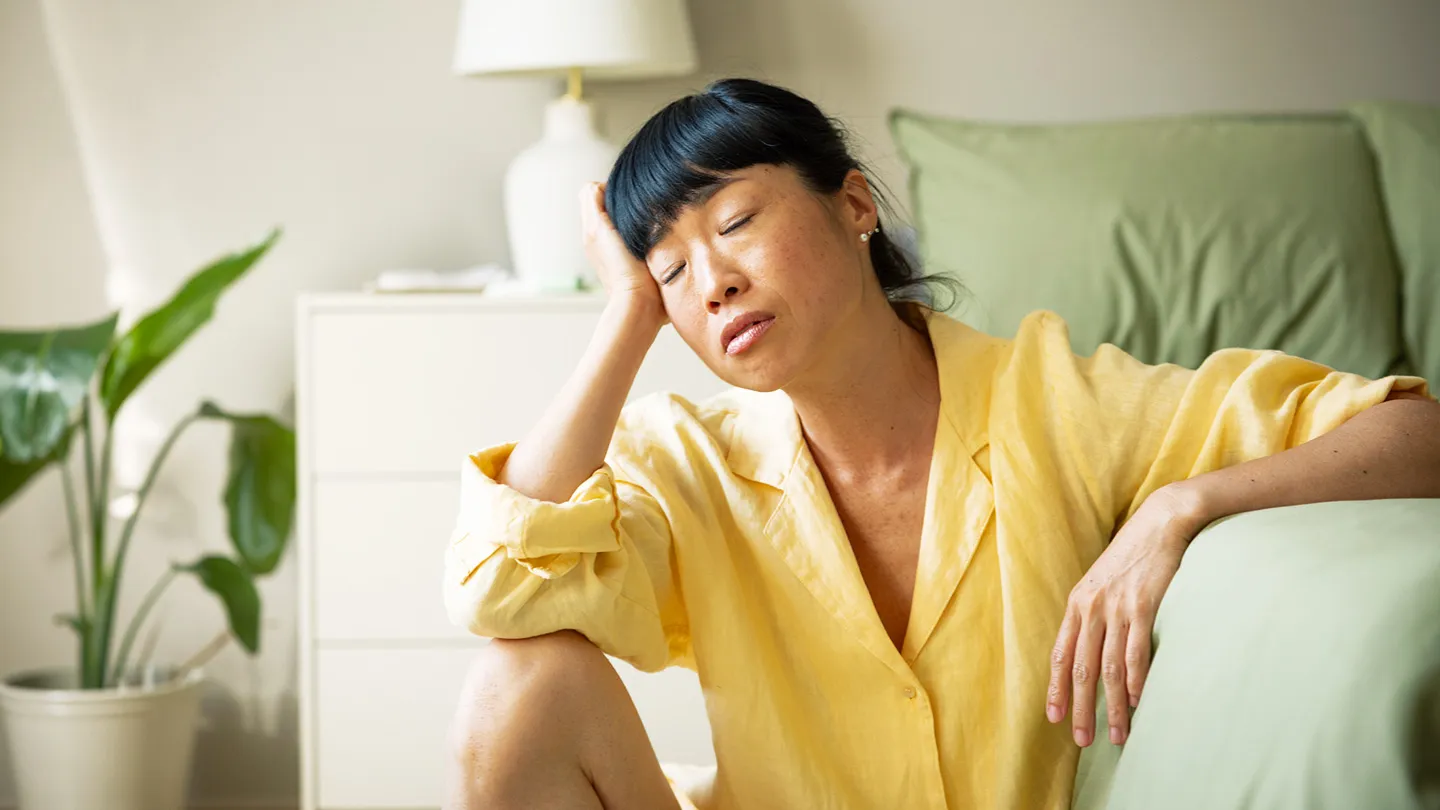
Causes of Low Energy in Older Women
Sometimes, having low energy can be the result of changes to your lifestyle. But it also can point to more-serious health issues, especially as you get older.
Hormonal Imbalance
“Changes in progesterone levels, either rapid increases or decreases, can also be associated with fatigue,” Wu says.
Sleep Issues
Chronic sleep deprivation also impedes your body’s ability to release growth hormones that help it repair itself during the night, Wu says. So if you’re not sleeping enough, you may feel tired and fatigued.
The amount of sleep you need can vary, though.
“People in very early adulthood still have growing brains and possibly bodies, and often have higher physical activity levels and faster metabolism, all of which requires more sleep,” Wu says.
In addition to the amount of sleep you get each night, sleep quality also can affect your energy levels. If you regularly have trouble falling asleep, wake up multiple times each night, or wake up feeling tired, it may be a good idea to adjust your sleep routine to ensure that you’re getting the sleep you need.
Menstruation and Menopause
Dr. Romm says it’s normal to feel your energy drop in the days before you get your period.
“This is a big recurring factor for why women can feel tired,” she says. “Some women especially have really heavy periods, which can lead to very low levels of iron, and that’s definitely going to lead to feeling more tired.”
“Some of the symptoms of perimenopause and menopause can disrupt sleep, such as hot flashes, so that can lead to women feeling more tired, because their sleep is interrupted,” Romm says.
Exercise
Lack of exercise can make you feel more tired, and it’s something Romm says she notices regularly in her patients in their 30s and 40s.
If you have concerns about your ability to exercise, ask your doctor to come up with a plan that can help you stay active.
Diet
- Processed grains such as white pasta and white bread
- Candy
- Yogurt with added fruit sweetener
- Sugary cereals
- Cookies and cakes
Alcohol and caffeine can mute or amplify your energy levels, too. They also can affect your sleep timing and quality, which can make you feel fatigued.
Talk with your doctor and a registered dietitian before you make any drastic changes to your diet. And remember: No one diet works for everyone.
“There are probably hundreds of diets and cultural ways of eating that are really good,” Dr. Kogan says.
Stress
Stress has major effects on all aspects of your mental and physical health, and energy is no exception. Fatigue and stress have a cyclical relationship, where they each feed the other and amplify the effects.
For many women, stress can come from numerous sources, from home life to work life and everything in between, Romm says. The sources aren’t necessarily tied to aging.
Besides the psychological factors that can lead to stress, physical reasons such as digestive problems, vitamin deficiencies, and hormonal imbalances also can contribute, Romm says. You can talk with your doctor about ways to address these.
Read the full article here


