






What Is Metabolism, and How Does It Work?
“Your metabolism is what’s in control of your body and how it makes and burns energy from food,” says Melissa Majumdar, RD, the bariatric coordinator at Emory University Hospital Midtown in Atlanta and a spokesperson for the Academy of Nutrition and Dietetics. “We rely on our metabolism to do everyday activities but also to breathe, think, digest, circulate blood, and regulate temperature,” she explains.
Metabolism consists of our resting metabolic rate (RMR), which is the energy our body uses to breathe, circulate blood, and perform other basic functions; activity thermogenesis, which is any type of activity or exercise; and the thermal effect of food. “By just eating, we’re burning calories to turn that food into energy,” Majumdar explains.
Each one of these factors makes up a typical percentage of the total energy expenditure, but there is some variability. For most people, thermogenesis makes up about 10 to 15 percent of their total energy expenditure, while resting metabolic rate accounts for about 50 to 70 percent. Your resting metabolic rate can vary widely depending on factors such as age, sex, body mass, and physical activity, according to Harvard Health Publishing.
What Affects Our Metabolism, for Better or Worse?
Genetics play the biggest role in metabolism, but some variations are seen among certain ethnic groups.
Lean muscle mass also affects metabolism, because muscle burns more calories than fat, even at rest. Men have more lean muscle mass on average compared to women of the same age and weight, which is one reason they often have higher metabolic rates, according to Mayo Clinic. Increasing muscle mass through exercise increases your metabolism even when you’re not actively exercising.
How Does Eating Certain Foods Help Rev Up Your Metabolism?
Certain foods can speed up or slow down metabolism, potentially affecting weight loss. But it’s not a simple, direct relationship — “eat this to boost your metabolism and lose weight.”
For example, meals high in protein cause our metabolism to increase, but it’s usually temporary. “At that meal, your energy expenditure is greater,” says Majumdar. “Whether that actually translates to big changes, weight management, or weight loss is a different story.”
What’s more, with respect to weight loss, metabolism isn’t the only factor; the amount we eat also matters. Eating meals high in protein, fiber, and healthy fats promotes satiety, meaning we’re less likely to eat as much at the next meal.
On the flip side, not eating enough calories can cause your body to use muscle for energy, which can lead to a loss of muscle mass. If the body is trying to reserve its energy stores, metabolism will slow.
Experts agree that there’s no one food that will have such a significant effect on our metabolism that it would cause us to lose weight. But there are foods that may rev up your metabolism a bit, and there are others you should eat in moderation or avoid altogether.
Six of the Best Foods to Help Boost Your Metabolism
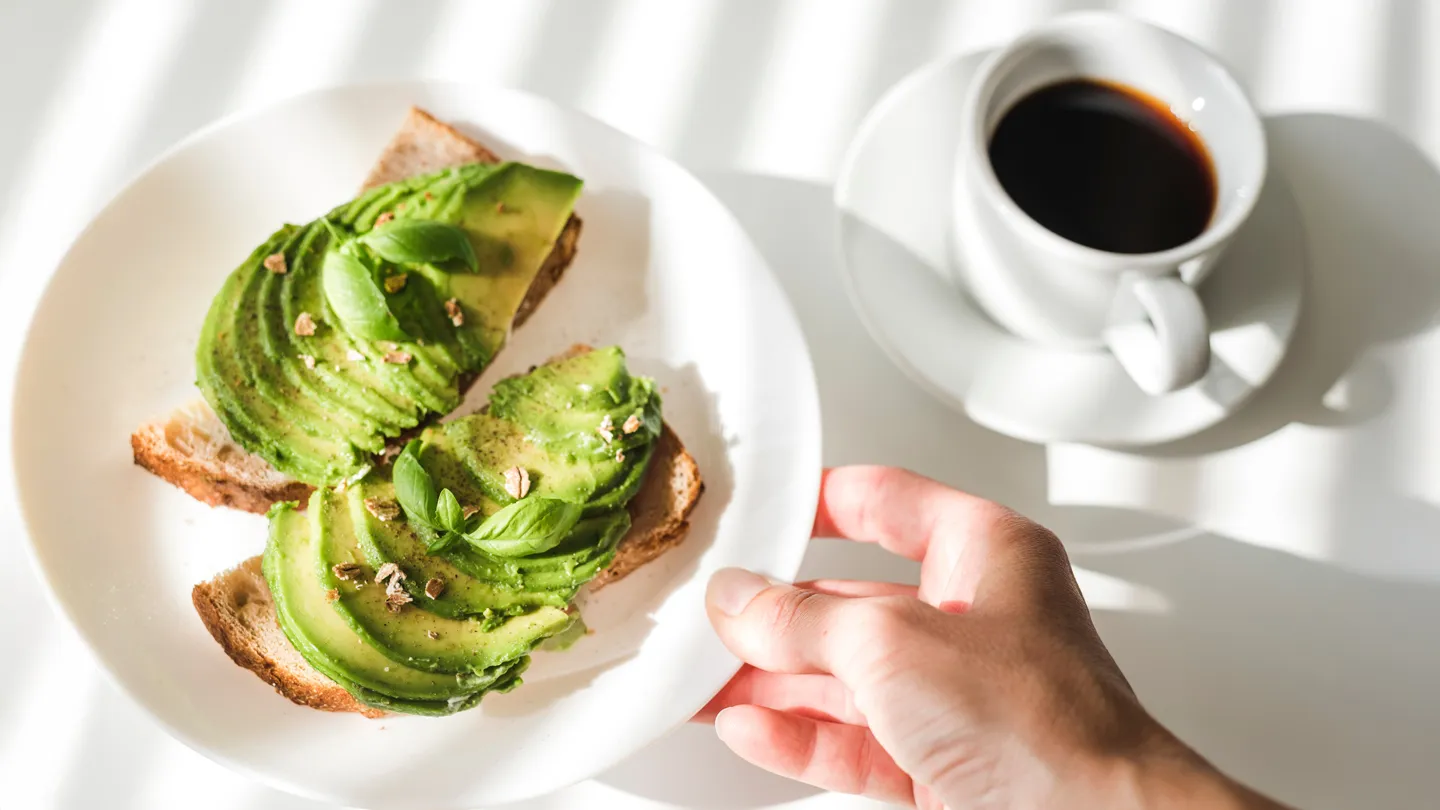
1. Avocado
Read the full article here