







How Much Is One Serving of Fruit or Vegetables?
Hoch says that the best nutritional strategy is to aim for variety. Eating as many different fruits and vegetables as possible will help ensure that you get the variety of nutrients your body needs for healthy aging.
Reasons It’s Hard to Eat Enough Produce
Even though we know how essential fruits and vegetables are, most American adults struggle to get their fill. And certain factors can make it more challenging for older adults. Here are some of the reasons.
Cost Having a limited budget may be a concern. If that’s the case, you may want to try adding more frozen or canned options, since they might be more affordable. They have similar nutrition to fresh produce, says Shena Jaramillo, RD, who is based in Ellensburg, Washington, and runs the blog Peace and Nutrition. Just check labels and avoid products with excess sodium or added sugar.
Access “Food apartheids,” where grocery stores don’t exist, or “food swamps,” where there’s mainly fast food, can make access to healthy produce challenging. In those areas, Jaramillo suggests finding a way to stock up every so often, such as doing a carpool shopping trip with friends to a large grocer that’s outside your immediate neighborhood.
Mobility Problems For older people who are no longer able to drive, it may be difficult to get out and shop for fresh produce, says Jaramillo. That’s true for anyone with mobility issues, but there are some ways to overcome those challenges, such as using a grocery delivery service. Most major retailers offer such services, including Amazon Fresh, Instacart, Walmart, and many others. Also, some local food banks and pantries will deliver.
Age-Related Health Changes As you get older, you may find that your sense of taste isn’t as keen, you don’t tolerate certain foods as well, or your appetite overall has diminished, says Jaramillo. Some people have dental problems that make it harder to chew certain foods. While these things may happen naturally as we age, they can make it difficult to get all the foods and nutrients we need. That’s why it’s essential to make every bite count.
How to Meet Your Healthy Eating Goal for Fruits and Vegetables
Follow these simple tips from Hoch to increase the amount of fruits and vegetables you eat each day.
- Add fruits and vegetables to your favorite dishes. Find ways to incorporate fruits and vegetables into foods you already eat, Hoch suggests. For example, stir fruit into your cereal or yogurt, add strawberries or blueberries to your pancakes, pack your sandwich with extra veggies, add vegetable toppings to your pizza, stir greens into your favorite casserole or pasta dish, or stuff your omelet with vegetables. Plenty of cookbooks can get you started, such as The Complete Plant-Based Cookbook for Beginners, by Jordan Worthen, or How to Cook Everything Vegetarian, by Mark Bittman.
- Clean out your junk food cabinet. Researchers compared the food choices people made when given three options: an equal number of healthy and unhealthy foods, more healthy foods, or more unhealthy foods. The results, which were published in November 2018 in BMC Public Health, indicated that eliminating the less-healthy options was more likely to result in healthy choices than any other scenario. So stocking plenty of produce is good, but removing junk food alternatives will seal the deal.
- Make a list of your favorite vegetable-rich recipes. Keep a collection of recipes handy to serve as a resource when you make your shopping list, Hoch suggests. Pick out three or four to buy for in a week. Apps like BigOven or Paprika can help you find, save, and organize recipes and develop shopping lists.
- Try new things. Next time you go to the grocery store, pick out a new fruit or vegetable to try. Better yet, sign up for regular produce deliveries from your local CSA (community-supported agriculture). These organizations support local farmers and give you a surprise assortment of whatever’s growing. Check out FairShare to find a CSA near you.
- Cook vegetarian. At least once every week, skip the meat (you could join in on Meatless Monday) and try a new vegetarian recipe for dinner. According to a study published in August 2019 in the Journal of the American Heart Association, plant-based diets were associated with lower risks of cardiovascular disease as well as lower mortality from all causes.
- Snack away. Try snacking on fresh or dried fruit. Hoch says to check labels to make sure there’s no sugar added. Try carrot and bell pepper strips with a low-fat dip, or baked chips with fresh salsa.
- Have canned and frozen options on hand. These are just as nutrient dense as fresh, says Jaramillo, and they are often more cost-efficient as well. Just be sure to read labels — sometimes canned options can have lots of added sodium or sugar.
- Consider a fruit smoothie in the morning. You can easily pile fruits and veggies into a healthy smoothie, says Jaramillo, and even mask tastes you don’t love, like spinach or kale, for example.
- Think seasonally. Take advantage of fruits and vegetables in season when you can, Hoch suggests, and that might mean visiting a farmers market and becoming aware of what’s available when.
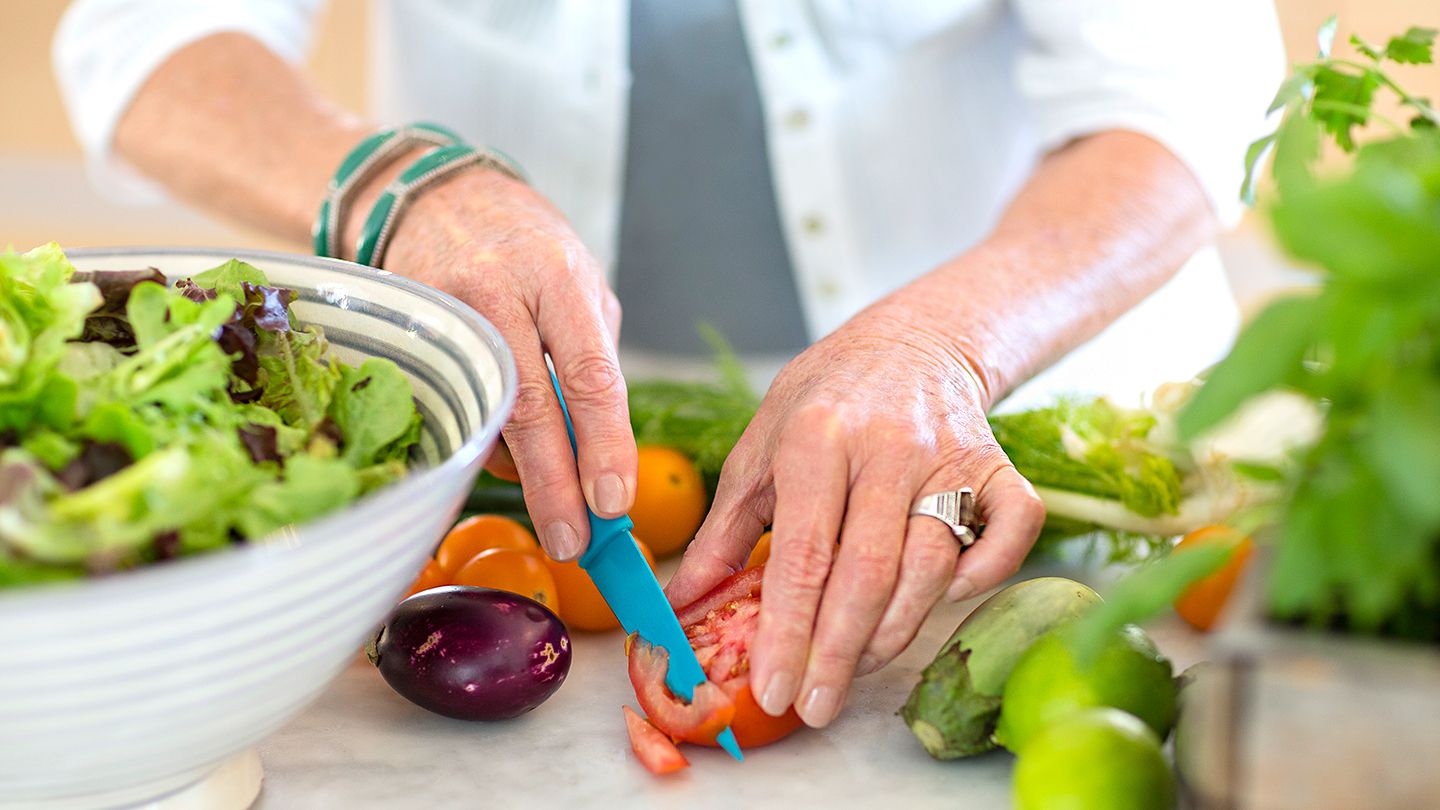
- Do more meal prep. Chopping up a few vegetables in advance and storing them in your fridge can make you more likely to reach for them when throwing together meals, says Hoch.
Read the full article here


