








1. Decreased Grip Strength
2. Thinner, More Fragile Skin
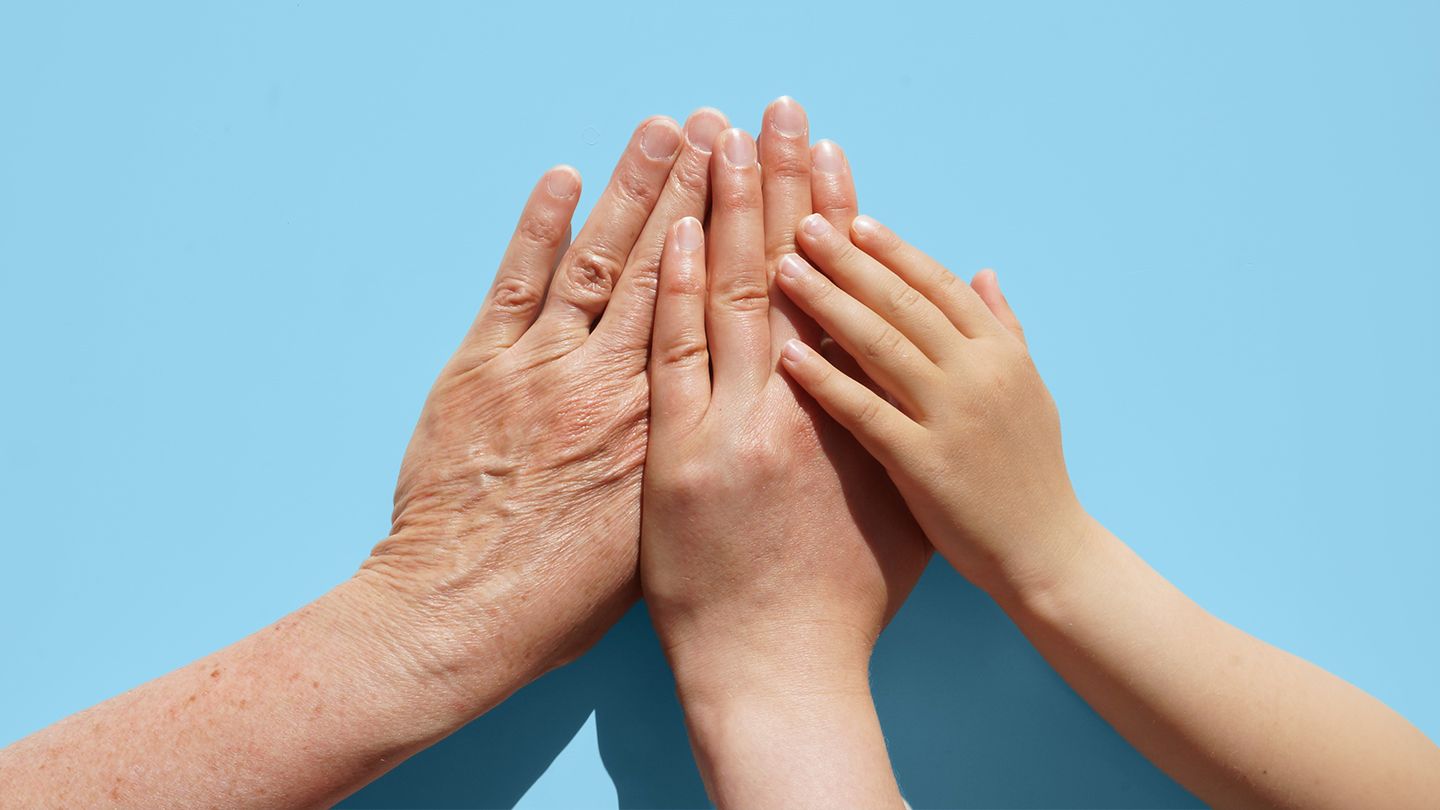
With age, your skin becomes less elastic, and the subcutaneous fat beneath it thins, says Tyler Pidgeon, MD, an associate professor of orthopedic surgery at Duke University School of Medicine in Apex, North Carolina.
“This makes the structures under the skin, like veins, tendons, and bones, more noticeable,” adds Dr. Pidgeon. “The skin also becomes more fragile and prone to tears and bruising.”
You may notice thinning skin on your hands, particularly the backs, says Daniel Baumstark, DPT, a physical therapist based in Washington, DC, who specializes in hand therapy. This is caused by age-related loss of collagen in the deeper layers of the skin and thinning of the outer layer of skin, compounded by exposure to the sun.
“Thinning skin on the hands increases medical risk by reducing barrier function, making the skin more susceptible to trauma, bruising, and delayed wound healing,” says Lycia Thornburg, MD, a board-certified dermatologist at Rapid City Medical Center in Rapid City, South Dakota.
3. Lowered Dexterity
Aging reduces the nimbleness of your hands, making movements less precise, explains Pidgeon. “Joints wear out over time, resulting in arthritis; this may reduce motion in the fingers and cause swelling and pain,” says Pidgeon.
4. Less-Elastic Ligaments and Tendons
“Our ligaments and tendons become more brittle as we age, which makes them more liable to experience tendinitis, sprains, and morning stiffness,” says Pidgeon. “Like a set of tires with 60,000 miles on them, our joints, ligaments, tendons, and bones experience wear through many cycles of use.”
Heavy use of the hands over a long period of time can also result in repetitive injuries, adds Pidgeon.
5. Discoloration and Wrinkling
“Sun exposure can accelerate hand aging due to negative effects on the skin,” says Pidgeon. “This might include discoloration, wrinkling, and thinning of the skin.”
“Abnormal changes may present as red, rough, scaly patches with variable thickening, which can be a cause for concern,” says Dr. Thornburg. She recommends that you see your doctor or dermatologist about any sudden changes in coloration, especially if the areas are painful or growing.
Read the full article here


