








Mike Gorlick is a Toronto-born, Vancouver-based writer and filmmaker. Over three years, he transformed his life, losing 80 pounds through a combination of radical acceptance, plant-based nutrition, and somatic healing. To keep it off, Mike now focuses on the intersection of mental clarity and physical resilience. In his own words, here’s how he made it happen.
I GREW UP in Toronto, Canada, a city pulsing with energy. I grew up active by default. Movement was woven into my DNA. I believed a lifetime of staying active would protect me, but over time I was using food to cope with stress and avoid discomfort. In high school, I could eat two full dinners without consequence. Eventually, those patterns caught up to me in ways I could no longer outrun, and I had to be honest about the role I was playing in it.
I was 26 turning 27 when I moved to Vancouver, drawn by the promise of mountains and ocean. I thought I was entering the capital of wellness. The city is deeply health conscious: people run the seawall, lift weights, hike, ski, juice, and practice yoga. Yet even in a place obsessed with wellness, I was increasingly disconnected from myself. I found myself slipping. I had a personal rule against hard drugs and limited alcohol. So food became the primary vessel for my unprocessed emotions. At the time, I was navigating personal pressures, unhealed emotional patterns, and long standing dynamics I had not fully faced. Instead of slowing down to truly address them, I used food to take the edge off.
The Turning Point for Change
BY 2022, THE consequences were undeniable. A doctor delivered the word “obese” with clinical detachment. At 32, I weighed 240 pounds. The wake-up call arrived as a series of escalating health warnings that made it impossible to keep ignoring my body.

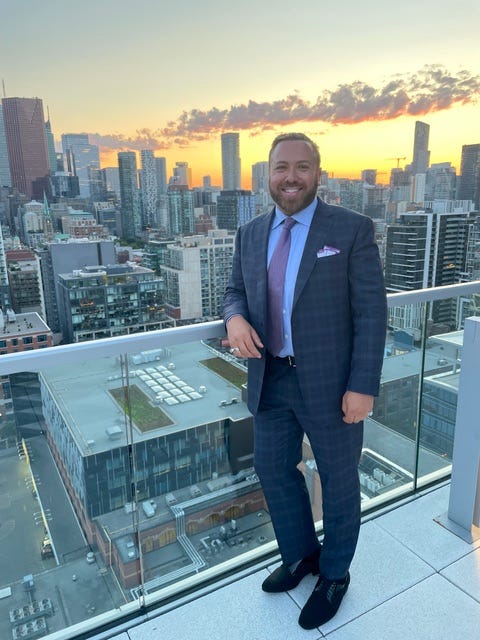
Before photo of Mike Gorlick.
My body was signaling, clearly, that my coping mechanisms were failing. I stood at a crossroads. I could continue to survive, or I could learn to live.
I realized I had to let go of trying to control outcomes and instead meet what was happening with honesty. Radical acceptance meant being honest about how my habits were affecting my health and my life. I had to recognize that I was using food to avoid dealing with deeper blocks I hadn’t fully faced. The shift wasn’t about becoming someone new; it was about becoming honest about what was already there.
For me, portion size, timing, and emotional eating were decisive factors. I would eat large amounts even when I was not physically hungry, sometimes continuing just to stay distracted or avoid discomfort.


Before photo of Mike Gorlick.
I carried shame handed to me by others and internalized it without realizing. Untangling that was uncomfortable but necessary. As Carl Jung wrote, “Until you make the unconscious conscious, it will direct your life and you will call it fate.” Awareness changed everything.
How I Learned to Enjoy Movement Again
MY RELATIONSHIP WITH movement began to change when it stopped being something I pushed through and started becoming something I was actually present with. For most of my life, I treated exercise as something to complete. When I reconnected with it as an experience, the sense of energy and enjoyment I had earlier in my life returned naturally; consistency followed, and for the first time in years, movement became a source of clarity and grounding.
My motivation shifted from guilt to encouragement. Turns out, all I needed was structure, connection, and inspiration.
I Began to View Food as Fuel, Not Armor
NUTRITION BECAME BOTH discipline and joy. Veganism gave me a strong foundation. I’ve been vegetarian since childhood and fully vegan for about a decade. I quickly learned, however, that “vegan” does not automatically mean “healthy.”
Intentionality mattered. I prepared hearty green salads with roasted chickpeas and sweet potato wedges, quinoa bowls layered with lentils, seasonal vegetables, avocado, and seeds, and warming vegetable soups paired with whole-grain bread. Dinners were satisfying and flavorful: miso-glazed tofu, lentil stews, and vegetable stir-fries with tempeh. Snacks like roasted chickpeas, edamame, and smoothie bowls kept my energy steady.
It became easier to stay consistent when I maintained a fridge stocked with nourishing food options. Eating became less about restriction and more about fueling energy, clarity, and performance. It became a daily practice of self-respect.
I Had to Focus on the Inner Work
THE WORK I had to do mentally and emotionally proved just as, if not more essential, than the physical work. While movement became a form of meditation, I also practiced mindfulness, observed impulses without judgment, and read Eckhart Tolle.
Another skill I learned is how to interrupt emotional eating with presence. This was recognizing moments of mindless consumption where the food was gone without having been truly present for it. Interrupting that meant catching the impulse in the moment, pausing, and bringing awareness back to the physical experience of what I was doing.
Mentors also shaped my path. My mom taught me joy and optimism. My grandmother gave me confidence, safety, and the sense that I deserved a full life. Figures like Oprah Winfrey and Tolle offered frameworks for worthiness and presence. They reinforced a simple truth: meaningful change begins within.
This inner work was essential given my history with people-pleasing and shame. From a young age, I absorbed unrealistic expectations and faced ridicule for being different.
People sensed I was gay before I understood it myself. For years, I internalized the belief that taking up space was wrong. Layers of unspoken judgment and the weight of others’ expectations followed me for years and shaped how I moved through the world. Healing meant learning to separate my emotions from the projections of others. It meant setting boundaries and forgiving myself. Claiming space outwardly required claiming it inwardly.
For me, Eye Movement Desensitization and Reprocessing (EMDR) became helpful after talk therapy had taken me as far as it could. It helped me process deeper patterns and experiences that were still influencing my behavior in ways I wasn’t fully aware of. This was my personal experience, guided by professionals, not a universal prescription.
My Transformation Inside and Out
OVER TWO TO three years, I lost eighty pounds. But the change was measured less in numbers than in how I treated myself in private.

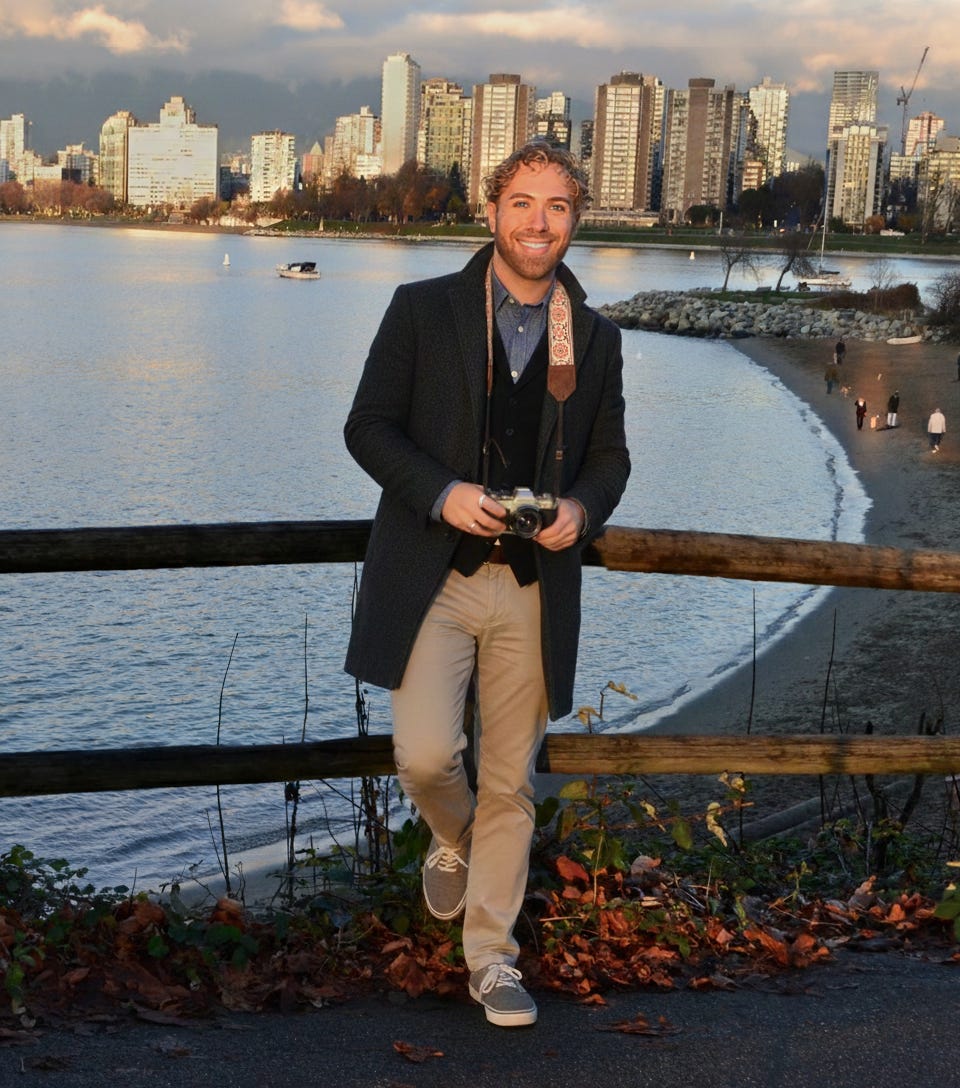
After photo of Mike.
The most meaningful shift was reclaiming self-worth, confidence, and agency. These did not come from appearance, but from knowing I could rebuild myself—body, mind, and spirit. I no longer feared rock bottom. I used it as a foundation.


How Mike looks today.
What worked for me was not a formula, but a willingness to confront the layers of trauma I still carried, even while actively in therapy. Society teaches men to hide vulnerability, repress emotion, and push through pain. I had absorbed these lessons, unconsciously believing silence was strength. True strength comes from emotional honesty, self-compassion, and consistency—from aligning mind, body, and spirit.
I look back at the man I was three years ago with gratitude. Overwhelmed and unsure, he kept moving quietly, without recognition. His persistence in moments no one saw created the life I live now. I owe him patience, not pride. He did not need fixing. He needed to be heard.
Losing 80 pounds was a significant physical shift, but the real weight lifted was the shame and self-doubt. My hope is that the industry begins to prioritize self-worth as much as it talks about macros. When the internal work comes first, the physical results become a permanent byproduct. Real progress is found in the daily choice to stay awake, aware, and whole.
Read the full article here


